Safe Bodies + Safe Minds
– Dr. Steve Conway, Director of Leadership and Psychological Safety
If your safety strategy stops at hard hats and slip mats, you are missing half the story.
We talk a lot about physical safety at work. We invest in PPE, safe work procedures, hazard assessments, and incident investigations. Those things matter.
But true safety excellence also means paying attention to what it feels like to do the work.
A heavy, unsupported work environment does more than create a bad day. It can contribute to mental health challenges, worsen existing conditions, and increase the likelihood of distraction, fatigue, conflict, poor decision-making, and ultimately both physical and psychological injury.
When we design work with people in mind, people are more likely to stay engaged, make better decisions, look out for one another, and perform safely.
I often meet leaders and safety professionals who notice something has changed but hesitate to act.
Here’s the reassurance they need to hear:
We are asking you to manage workplace risk, not become a mental health professional.
You do not need a degree in psychology to notice changes that may indicate someone is struggling.
- The silence: A normally vocal teammate unexpectedly stops speaking up or raising safety concerns.
- The friction: Increased conflict or disengagement that begins affecting communication and safe work.
- The slip: A dependable performer unexpectedly begins making errors or losing focus.
- The shortcut: A conscientious worker begins bypassing procedures or taking risks that are out of character.
The mistake we often make is assuming that referring someone to an EAP or wellness app means the problem has been addressed.
Those resources matter, but they cannot fix a work environment that is contributing to the problem.
Your role isn’t to diagnose the individual. It’s to support them while asking:
Is there something about the way the work is designed, led, or organized that is increasing risk for everyone?
That might involve:
- Increasing job control.
- Clarifying expectations.
- Developing leaders.
- Managing workload.
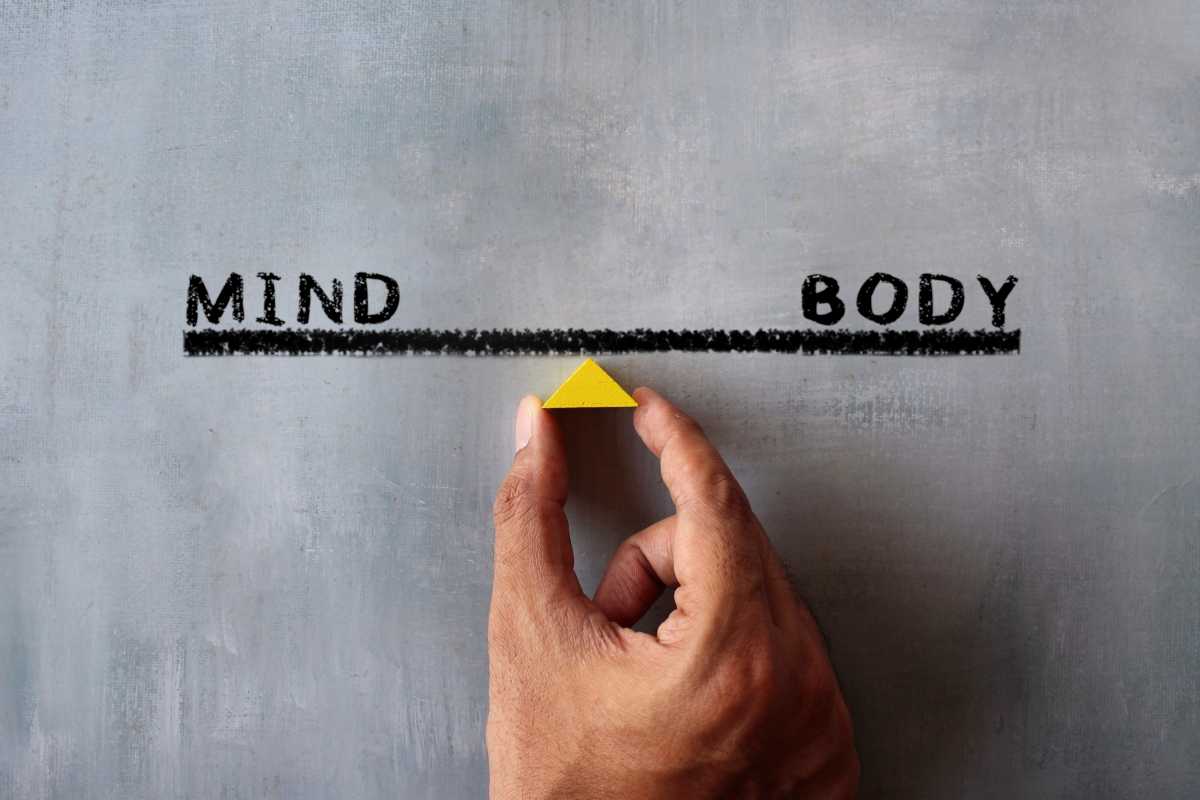
The strongest safety cultures recognize that physical and psychological safety reinforce one another.
Supporting individuals will always matter. Lasting improvements in safety come from designing work well, developing capable leaders, and creating environments where people can perform safely, stay well, and do their best work.