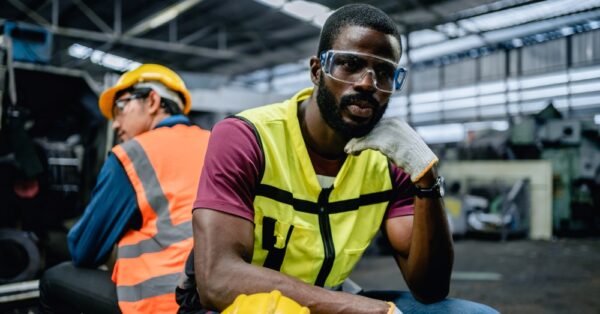

If You Do Not Manage Your Fatigue, It Will Manage You
Fatigue vs. Demands
Many leaders do not admit when they are tired. They feel pressure to project stamina and composure, as though leadership demands constant energy. Fatigue becomes something to conceal rather than acknowledge. But hiding depletion does not make it disappear. It simply shapes tone, judgment, presence, and relationships in ways others quietly absorb.
The consequences of fatigue
Fatigue is never neutral. It weakens decision making, narrows perspective, drains empathy, and reduces patience. When leaders ignore their energy, teams do not just see a tired person, they experience reactivity, distraction, or emotional unavailability. Psychological safety slips.
Leadership is relational. People feel your presence or absence. They notice when your tone sharpens, when you withdraw, or when frustration edges into your interactions.
Unchecked fatigue often appears as:
- rushed decisions
- irritability
- reluctance to delegate
- disengagement
- reduced listening
- accumulating errors
Over time, this erodes influence, credibility, and culture.
There is also a strategic cost. Exhausted leaders unintentionally weaken the values and performance they work hard to build. Depletion makes leaders inconsistent, models unhealthy norms, and pushes urgency over clarity. A depleted leader often produces a depleted system.
What can leaders do?
Recovering energy is not achieved through surface level wellness tips. Fatigue reflects workload, identity, expectations, and systemic pressure. Solutions need to match that depth.
Helpful practices include:
- Protect time for strategic thinking
- Pause to reset before responding
- Delegate for capability building
- Clarify priorities and release activity that does not matter
- Notice which work nourishes or drains you
- Ask for support instead of absorbing everything
These steps are simple, but not simplistic. They do not fix fatigue overnight, yet they interrupt depletion and begin to restore presence.
The most important shift is the belief that leadership effectiveness rests on capacity, not performance theatre.
Sustainable leaders have the greatest impact. They set boundaries that support engagement. They make clearer decisions. They communicate with steadiness rather than urgency. They build trust because their teams experience them as available, not stretched thin.
Your team does not need a leader who performs energy.
They need a leader who has energy, someone with space, clarity, and presence.
—
 Written by Dr. Steve Conway | Director of Leadership and Psychological Safety
Originally shared via LinkedIn
Editor’s note: Contact Steve to schedule a one-on-one leadership coaching session. Additionally, Steve provides consultations to members on how to create safe and healthy workplaces—and offers workshops on a variety of mental health topics that can impact manufacturing facilities.