Blog

Heidi Hare

In memory of Heidi Hare

With sorrow, we share that our friend and colleague Heidi Hare passed away earlier this month. It leaves me in complete disbelief and profound sadness. In my messages with Heidi, she wanted everyone to know how much she wanted to make a good and positive impression on everyone, both in her professional and personal life, and how much everyone meant to her. She was a remarkable, kind, and talented person who will be very missed by so many.   Our hearts are with Heidi’s family, and we grieve together with her friends and anyone who knew and worked with her. It is important for us all to keep Heidi’s memory alive in a meaningful way that recognizes her impact on our team and organization, and the industry we serve. We will share more as those plans take shape. Heidi was a friend to the industry, to so many of you in the companies she served, and to all of us at the Alliance. She approached her work with serious diligence. An experienced, well-researched, and credible mentor, Heidi delivered practical advice and training with a side of humour that connected with people and made a difference. As a Canadian Registered Safety Professional, Heidi was committed to professional excellence and dedicated to supporting her clients in the Interior and across the province. Her loss leaves a ragged gap in our organization that we will bridge the way Heidi would: with dedication and teamwork. Wayne Arondus, CEO We recognize the relationships Heidi built with so many of our members and will work together to support your health and safety needs going forward. If Heidi was an advisor or trainer for your business, please accept our deepest condolences for your loss as well. We are reaching out to Heidi’s clients to share the sad news, and to connect you with another advisor. If you have an immediate need for guidance, support, or training, please let us know. We have opened comments below if you would like to leave a message or memory on this page.

Read More »

Fractional support for safety in BC manufacturing

Last week, the Canadian Occupational Safety published an interview with Wayne Arondus that reveals how the Manufacturing Safety Alliance of BC best helps its members with support, training, and resources. CEO of the Year winner Wayne Arondus explains how free and low-cost safety support is driving gains for BC manufacturers The Manufacturing Safety Alliance of BC has built what its chief executive officer calls a “fractional safety” model, deploying specialists such as ergonomists and confined-space experts on demand to manufacturers that cannot justify a full-time hire, often at no cost to smaller, cash-strapped members. Wayne Arondus, who has led the alliance as CEO for roughly three years, credits the approach for measurable injury and incident reduction among the organization’s members. The strategy also underpinned his recent win of the WSPS Award for CEO of the Year, part of this year’s full list of Canada’s Safest Employers Awards winners announced in October. A new strategic plan replaced a 17-year legacy Arondus stepped into the CEO role after serving as chief operating officer, taking over from a founder who had led the organization for about 17 years. The transition meant building a new strategic plan largely from scratch. “To step into that role, come up with a new strategic plan, and rally the entire team around the work we wanted to accomplish – honestly, it was about getting my board on side, getting my team to understand clearly what we were going to do and how, and guiding them through it,” Arondus said. “There was such great buy-in from my entire organization and my board on the vision and the strategy.” That shift pushed the alliance toward specialized hires in ergonomics, confined spaces, and mental health, alongside upgraded training and onsite support. “This was really supporting members at the core of the deficiencies they had on site as an organization,” Arondus said. Free support for small manufacturers, not just large ones With members ranging from large manufacturers to small, family-owned operations, Arondus said flexibility is the point of the fractional model. “Because we have the flexibility, in a lot of cases we were giving complete free services to those small companies that maybe aren’t as flush with cash. We were able to give them a lot of support for free, point them in the right direction, and give them the onsite support they were looking for,” he said. He added that barely a week goes by without a personal call or site visit to a member’s owner or vice-president. Tariffs and a skilled worker shortage test the sector Arondus pointed to ongoing tariff pressure as a distraction for high-hazard industries supplying the US, alongside a persistent gap in qualified safety professionals that mirrors the skilled labour shortage reshaping safety staffing in other sectors. “That is still a challenge even for ourselves, to find safety people. It’s not easy. These are skills that are in demand,” he said. He also described psychological health and safety as newly urgent after 25 years in manufacturing where it barely came up. “Psych health and safety wasn’t a discussion – it was never really a discussion,” he said. “And now it is a discussion.” Presence over compliance defines his leadership style Asked what separates a CEO who treats safety as culture rather than obligation, Arondus pointed to presence. “Those leaders are very physically present in their buildings and plants. They have a genuine interest in all the workers, regardless of who they are,” he said. “I’ve been in some organizations where safety was kind of like a line item on the P&L statement, and while we said the right things, our actions didn’t speak as loud.” His advice for future leaders centred on trust over control. “A good people leader is a person that empowers people but doesn’t try to overpower people,” he said. “We hire people because they have talent. I don’t need to be the smartest person in the room.” Written by: Shane Mercer This article was originally published November 10, 2026 by Canadian Occupational Safety on https://thesafetymag.com/ca.

Read More »
CEO of The Year Award 2026

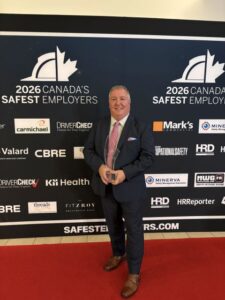
Canada’s Safest Employers Awards Names Wayne Arondus CEO of the Year

At the 2026 Canada’s Safest Employer Awards in Toronto, Manufacturing Safety Alliance of BC CEO Wayne Arondus was honoured as CEO of the year for his dedication leadership and commitment to the vision of safer workplaces across British Columbia and beyond. “Shocked, but truly honoured. It’s fantastic,” Arondus said, in an interview with Canadian Occupational Safety, “crediting a three-year push by his team to ‘make BC the safest place to live, work, and play.’ “We support all the food and beverage manufacturers in the province of BC, and it was crazy, but we just stayed focused on helping industry,” Arondus said. “This is a nice capstone to that work we’ve done.” The Workplace Safety and Prevention Services Award for CEO of the Year recognizes a CEO who drives successful safety strategies from the top by putting people first and championing innovative safety values. The Manufacturing Safety Alliance of BC is a not-for-profit that supports more than 3,000 member manufacturing and food processing businesses across B.C. The Alliance supports manufacturers with safety guidance, training, and specialized support. “Our manufacturing sector is facing headwinds,” Arondus says. “We are here to help them protect the health and safety of their people even in the most challenging environments,” he explains. “I’m incredibly proud of the work we’re doing together,” he adds, “That we’re seeing more companies come to us for help, and coming back again, is a sign that our support is making an impact.” Under Arondus’ leadership, the organization’s Make It Safe event and webinar series has expanded to educate and connect thousands in Vancouver Island, the Okanagan, northern B.C., the south coast—and outside the province via industry partnerships and the country’s largest virtual safety conference, Make It Safe Canada: Online. After a long career in senior manufacturing leadership role, giving back is a consistent tenet for Arondus—helping bridge the gap between what schools teach and what industry needs as an instructor at BCIT’s School of Business for 20 years, serving as Vice Chair on the Advisory Board for the BC & Yukon Chapter of Make-A-Wish-Canada, and as a past president of the CMHA, Vancouver-Fraser Board of Directors. Arondus is an alumnus of the 8th Governor General’s Leadership Conference of Canada.The finalist list for the 2026 CEO of the Year was deep, with 12 finalist awardees considered for the award: Derek Kelleher – Flanagan Foodservice Don Cooper – Innovator Industrial Services Jon DiMascio – QM LP Ken Robuck – EnergySolutions Canada Marc Breault – Paradox Access Solutions Matthew Bryan – SLB Canada Ltd. Mercy Lawluvi – Immigrant Women Services Ottawa Neil Waugh – NPL Canada Tim Hollander – Toyota Motor Manufacturing Canada Inc Wayne Arondus – Manufacturing Safety Alliance of BC Yves Tremblay – Pronghorn Controls

Read More »
Heat Stress and Wildfires

Heat and Wildfire Risk – Support and Resources for B.C. Businesses

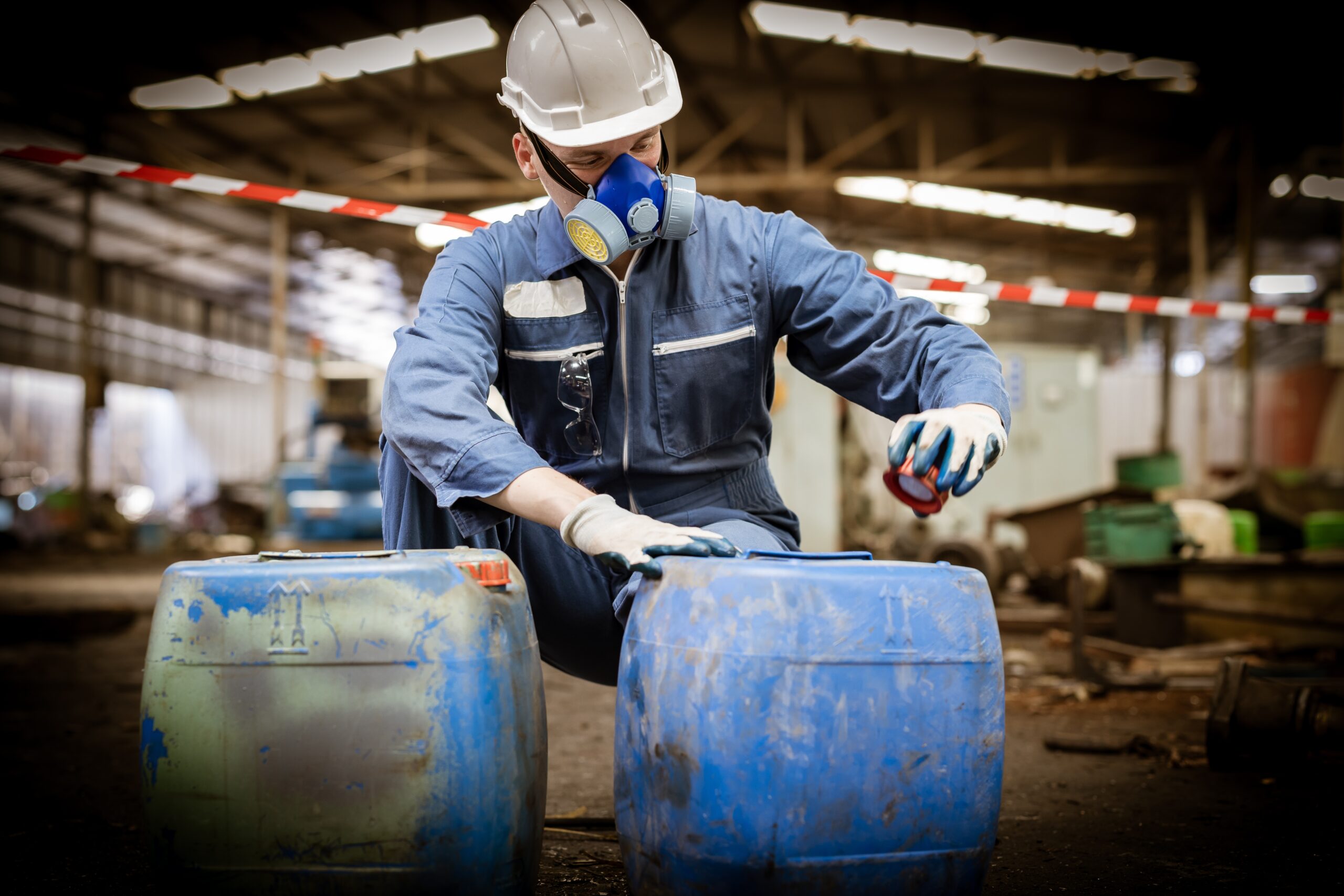
UPDATED August 13, 2026 – With 105 wildfires actively burning across B.C., 51 are classified as out of control. Many communities and businesses remain at risk for fire, smoke, and heat stress and recently the province has declared a province-wide stat of emergency. Stay updated with: BC Wildfire Service EmergencyInfoBC Need resources or advice to help you prepare? Reach out to our safety advisors for support. Get Help Access information, training, and resources Heat Stress and Related Illness Wildfire Safety Wildfire Smoke and Air Quality Respiratory Protection Resources Heat-Related Hazards Heat-related illnesses happen when a person heats up faster than they can cool down. Heat-related illness can affect everyone – even those accustomed to working in the heat. If heat stress progresses to heat stroke, it is a medical emergency that, untreated, can lead to death. Get links to support resources on our Heat Stress topic page. Emergency Planning Support for Wildfire The BC Occupational Health and Safety Regulation does not require employers to have a specific wildfire plan. Still, every employer should be prepared with an emergency response plan that addresses the particular risks of their region—including wildfires. Your emergency plan for wildfires should include: An evacuation plan that you have tested with your employees Safety zones around your building Equipment on hand in case a wildfire occurs Training, education, and communication to ensure that workers know what to do in the event of a wildfire and emergency evacuation Prepare in advance to help workers get to safety before a wildfire devastates your community. Employees must know and understand what to do if they need to evacuate your worksite quickly. Know the evacuation routes from your facility and create a procedure to account for ALL employees after an emergency evacuation. Start planning now to protect your business and people for the future with Emergency Response Planning training and Emergency Response awareness training for employees (online in English, Spanish, Punjabi, Simplified Chinese, and Traditional Chinese). In an Evacuation Order The B.C. Evacuee Registration & Assistance Tool provides referral vouchers for lodging, clothing, and fuel. Encourage your team members to register here as soon as possible. Evacuees are also encouraged to register with Red Cross for assistance. Anyone under a mandatory evacuation order by their local authority or Band Council Resolution because of wildfires anywhere in B.C. can register with Red Cross from 8 a.m. to 8 p.m. by calling 1-800-863-6582. Evacuees impacted by wildfires may also be eligible for other financial assistance. Look here for details on Disaster Financial Assistance eligibility and applications in BC. For advice on emotional support for team members in this stressful time, tune into this webinar on Managing Anxiety in Uncertain Times. More Information Get alerts about wildfires in your region BC Wildfires Map Fire information line: 1-888-336-7378 BC Emergency Info Learn about the air quality in your area Subscribe for email or text alerts Review the current and forecast air quality in your region Get help with emergency response planning for your business Emergency Response Planning resources and support Call a safety advisor: 604-795-9595

Read More »

Manufacturing technology: Risk, reward and roadblocks

Now 30 years in the manufacturing sector, I’ve watched the lightning speed of manufacturing technology advancement, and a growing divide as companies have struggled to keep up. Canada’s tech adoption gap In digital and automated technologies, manufacturers have access to undeniable new tools to reduce risk while increasing productivity. However, as of 2022, only two per cent of the industry had adopted robotics in their facilities, according to Statistics Canada’s Survey of Advanced Technology. The impact is clear, with the Bank of Canada noting the country has fallen to the second-least productive country in the G7 as of 2024. Generative AI upside and risk Today, generative AI and large language models are set to transform the industry yet again. Canada’s industrial sector has just begun to explore the potential for AI to streamline work, increasing efficiency and productivity. And while caution is common, most companies have little understanding of the potential new risks AI and cybersecurity threats represent to intellectual property (IP), employee morale, security, and physical safety. Across industries, AI is a due-diligence issue. AI decisions affect confidentiality and IP, operational continuity, and regulatory exposure long before they show up on the shop floor. So, leaders who treat AI as they would any other high-risk operational change have a much better chance of achieving productivity gains without creating new safety and cyber risk. Where do AI tools look for information, and how do they share it? As companies adopt these tools, leaders also must govern how they work. Safety implications: Where AI helps and where it can harm In safety, we need to consider how AI can best support our health and safety programs – and how it might derail them. Training and guidelines help your employees leverage the potential benefit of AI, while using it efficiently and safely. Understanding the risks of AI to intellectual property, cybersecurity, and safety is essential knowledge for every business leader. AI can summarize policies and data in seconds – a helpful aid to busy safety professionals. But it can also fabricate details or cite the wrong sources. For safety-critical work, a qualified human is required to verify every output. Every day, generative AI models are learning, changing, and adapting. And we also need to learn and adapt to refine the results – to transform the AI models we develop with care into efficient and productive tools. Workforce implications: skills and roles When I started in manufacturing, robots were little more than a dream because they were so cost prohibitive for the average manufacturer. Today, companies are deploying used and new robots and cobots at much more affordable prices to automate operations. And with developments in 3D printing, manufacturers can now take ideas and concepts to working models and designs at a rapid pace. Automation is eliminating tedious, repetitive, and dangerous tasks, moving workers into roles that require more examination, thinking, and intuition. Ultimately, automation is helping to shape safer roles for the humans in our production processes. As automation and AI are helping to engineer out many manual labour and repetitive administrative tasks, they are also increasing demand for skilled labour. Heavy manufacturers are now looking for candidates with degrees in mechanical and electrical engineering and those with extensive technical skills. Others are upskilling and training employees to use new automated systems and perform routine maintenance as we make this historic shift. This technology adoption is eliminating many unsafe jobs, creating new opportunities for upskilling, and attracting more highly skilled people to the industry. At the same time, it is introducing new areas of risk. To safeguard people and brand reputation, we are learning to look for risk in the intersection of people and robotics. We must consider new hazards in automated systems and the ever-growing risk associated with cybersecurity. And we need to address the very real risk of over-reliance on artificial intelligence that does not recognize the gaps in its own knowledge. In the safety community, AI literacy and knowledge of automated systems is quickly becoming part of the essential skillset. Many of the same risks exist for practitioners: recognizing hazards in rapidly changing production environments; leveraging technology to keep people safe, while protecting these same people from technology errors; building critical thinking skills to leverage generative AI with healthy skepticism. Next steps for leaders The safest and most effective path forward begins with preparation. Define appropriate use cases for AI and, perhaps more notably, where its use is prohibited. Creating an AI usage policy is a critical step to protect the integrity of your IP. Set clear expectations to require human validation for every safety-critical output. Update risk assessments as you implement new technologies. Document your cyber controls and, above all, train your people in AI literacy, confidentiality, and verifying AI-generated content. The opportunity is huge. But proceed with eyes open, treating your implementation of AI as you roll out any new operational technology with a plan, effective controls, metrics, and a long-term plan for continuous improvement.   — Editor’s Note: This article by Alliance CEO Wayne Arondus was originally published in OHS Canada July 17, 2026. If you are interested in learning more about AI, technology, and safety, join us this October at Make It Safe Vancouver and Make It Safe Canada: Online. With guest speakers joining us from around the world sharing their insights and expertise into how to best harness new technologies for workplace safety and business success, there are a number of sessions tackling this topic from different perspectives. Check out the program for more details.

Read More »

Trade credit insurance: A financial stabilizer for manufacturers navigating global uncertainty

Canadian manufacturers are operating in a highly unpredictable global trade environment heavily influenced by political and economic decisions beyond their control. Shifts in government policy, changing tariff structures and stalled economic growth are introducing new pressures across supply chains. One of the immediate effects is visible in the consistency of cash flow from customers. Businesses that appear stable may be quietly facing financial strain resulting from external factors, leading to slower payments or missed obligations. At the same time, many manufacturers carry substantial accounts receivable balances and lengthy payment terms. These balances are often concentrated among a relatively small group of key buyers, increasing exposure at a time when future market conditions are harder to gauge. With more than 20 years of experience advising manufacturing clients across Canada, Acera Insurance’s Rob Shearar examines how global trends are influencing accounts receivable – and how trade credit insurance can help businesses manage this uncertainty. How geopolitical instability is influencing payment patterns in manufacturing In 2026, manufacturers in Canada face ongoing market volatility while remaining highly exposed to international and cross-border supply chains. The impact is heightened for those with relationships deeply embedded in the United States. These partnerships are being challenged by: Fluctuating signals from U.S. policymakers Evolving tariff and trade terms A growing focus on protectionist measures and bilateral trade approaches Softening investment and declining buyer confidence Taken together, these dynamics complicate planning, capital access and liquidity management for customers – even when demand remains steady. The consequences of these circumstances for manufacturers can present as late payments, prolonged collection periods or reduced liquidity among buyers. Traditional credit checks can fall short in the current climate Many manufacturers continue to depend on past payment history, financial statements or established business relationships to assess a customer’s financial health. While this approach can be reliable during stable conditions, it may fail to reflect changes happening during volatile periods. Customers may appear financially sound despite: Having difficulties collecting payment from their own customer base Losing financing Undergoing restructuring and mergers or exiting markets Abrupt declines in demand within the sector Rising costs or delays due to supply chain disruption These ripple effects – often driven by broader geopolitical and economic factors – are harder to detect through conventional credit assessments. As a result, issues may only become visible once payments are already affected. Receivables often represent a significant, unmanaged exposure For many manufacturers, accounts receivable is one of the largest assets on the balance sheet. Standard payment terms can range from 30 to 120 days, and primary revenue streams may rely on a few key customers. This creates several layers of vulnerability: A single unpaid invoice can eliminate months of profit. Internal credit controls may struggle to respond as exposure increases with growth. Financial reporting only captures a retrospective view rather than real-time realities. For example, a business operating at a 5% net margin would need approximately $10 million in additional revenue to offset a $500,000 bad debt. Using trade credit insurance to withstand cash flow fluctuations In response to increasing uncertainty, many manufacturers are re-evaluating how they manage receivables and limit fluctuations in cash flow. Trade credit insurance (accounts receivable insurance) helps businesses mitigate losses from customer non-payment due to insolvency, bankruptcy or protracted default. It serves as a practical tool to protect your balance sheet from unexpected financial disruption. Making receivables into a more controlled asset Once goods are in production or delivered, receivables exposure is difficult to minimize. Trade credit insurance helps shift a portion of that risk away from the business, converting receivables into a more structured and manageable asset. This can lessen the impact of unexpected defaults and support steadier cash flow. Preserving margins and earnings In capital-intensive operations, bad debts can quickly erode profitability. Even a single non-payment can significantly affect earnings. By reducing the likelihood that receivables turn into losses, trade credit insurance helps maintain more consistent financial performance, particularly in uncertain markets. Enabling more confident growth Expanding into new customers, industries or regions often introduces additional risk. Trade credit insurers continuously assess buyer creditworthiness, offering insights that can support better decision-making: Approved coverage can indicate lower perceived risk. Reduced limits or exclusions may serve as early warning signals. Assessments reflect broader economic and sector trends. This external validation allows manufacturers to pursue growth opportunities with greater awareness of potential exposure. Supporting financing and lender relationships From a lending perspective, insured receivables are typically viewed as more secure. This can improve borrowing conditions by increasing advance rates, easing reserve requirements and strengthening covenant positions – ultimately improving access to working capital. Reinforcing existing credit practices Trade credit insurance is most effective when used alongside strong internal processes, such as structured credit policies, proactive receivables monitoring and established escalation protocols. Rather than replacing these controls, it complements them as an additional measure when existing ones are insufficient. Trade credit insurance helps position manufacturers for resilience Businesses don’t invest in trade credit insurance with the expectation that customers will fail, but because they recognize that the timing and causes of non-payment are simply out of their control. In the current climate, these disruptions are becoming more common and less predictable. Given the scale of accounts receivable on the balance sheet, addressing this concern has become a priority for many manufacturers. Trade credit insurance can play an important role in stabilizing cash flow, protecting earnings and helping businesses remain adaptable in an evolving landscape. About the Contributor Connect with an Acera Insurance advisor to explore how trade credit insurance can strengthen your financial resilience. Rob Shearar is Director, Independent Business Unit at Acera Insurance. He brings more than 20 years of insurance and risk management experience and specialized expertise in manufacturing, wholesale and distribution, construction and commercial real estate. Rob is the practice leader for our manufacturing specialty nationwide and an advisory board member for Canadian Manufacturers & Exporters. Connect with Rob at 604.484.0208 or robert.shearar@acera.ca. Information and services provided by Acera Insurance, Acera Benefits and any other tradename

Read More »

Evaluating Smart Workplace Solutions for Safety and Operations Leaders in 2026

Industrial workplace technology has never been more sophisticated or more crowded. For EHS professionals and operations leaders, the challenge isn’t a lack of options. It’s knowing which solutions actually move the needle on risk, and which ones add complexity without delivering results. Here’s a practical breakdown of the major categories on the market today, their real-world tradeoffs, and why physical AI is emerging as a clear leader for industrial environments. Wearables Wearables (smart vests, sensor-equipped PPE, body-worn devices) emerged as one of the first technology-forward approaches to workplace safety, and they’ve earned a legitimate role in specific use cases. In ergonomics-heavy environments with controlled, repetitive workflows, body-worn sensors can surface meaningful data on posture, repetitive motion, and physical strain. For a small team doing similar tasks in a predictable setting, that data can genuinely help safety leaders identify risk before it becomes an injury. The problem is that those conditions rarely hold at scale. Deploying wearables across a large workforce is expensive, both in hardware costs and ongoing management. More critically, the technology only works when workers actually wear the devices correctly and consistently, which is harder to achieve than it sounds. Employees often push back, viewing wearables as surveillance rather than safety, and that perception erodes adoption over time. Even in programs with strong compliance, you’re still only capturing data from one person’s vantage point. A wearable lacks context. For example, it can tell you a worker bent incorrectly, but it can’t tell you why, what was happening around them, or whether the environment itself created the condition. When it comes to understanding risk at a site level, that’s a significant blind spot. Integrated IoT IoT systems offer a different kind of precision. Machine-level sensors, connected equipment, and environmental monitors are highly reliable for the specific signals they’re built to detect. If you need to know when a piece of equipment reaches a threshold temperature or vibration level, IoT delivers. But IoT data is inherently narrow. Sensors tell you that something happened, not the context around it. Systems are often siloed, making it hard to see how one signal relates to another. And because IoT focuses on equipment and environmental conditions, it captures very little about human behavior, which is where a significant portion of workplace risk originates. General Vision Technology Computer vision has been in industrial settings for years, primarily in security and access control. For fixed, well-defined environments, rule-based vision systems can perform consistently. They’re good at detecting whether something is present or absent in a known frame. The limitation is the real world. Industrial environments are dynamic: lighting changes, workflows shift, new hazards emerge. Rule-based systems struggle with variability, require significant configuration to scale, and offer limited integration into broader safety programs. They detect, but they don’t understand. Why Physical AI Wins Physical AI (AI that sees and understands the physical world, rather than just processing data inputs) changes the equation. Workers don’t need to change behavior, wear something new, or wait for a sensor to catch one specific signal. Physical AI works with the infrastructure that’s already mounted to your facility’s ceiling. It takes the cameras already installed across a site and turns them into a continuous, contextual view of what’s actually happening on the floor. That context is what offers the real ROI. A camera doesn’t just inherently know that a forklift was moving too fast. Instead, it sees the person stepping into its path, the blocked sightline, or the pallet left in the aisle that forced the swerve. Physical AI captures the full picture of an event, not just a fragment of it, which means safety and ops leaders are no longer piecing together what happened after the fact. They can see it, understand why it happened, and fix the upstream cause before it happens again. Physical AI also scales in a way the other categories can’t. Because there’s no new hardware to install and no behavior change required from the workforce, sites can go live in days rather than months, and the model gets more accurate with every hour of footage it processes. For safety and operations leaders evaluating solutions in 2026, that combination is hard to beat: full context, fast deployment, and a technology that improves the longer it runs. About the Contributor Voxel is purpose-built for workplace safety—and makes safety a competitive advantage. Not every AI computer vision company set out to solve this problem. Voxel did. Our models are trained on more than 5 billion hours of real-world industrial footage, spanning warehouses, distribution centers, manufacturing floors, and retail operations. That depth of training is what lets Voxel tell the difference between a genuine hazard and ordinary daily activity. Voxel isn’t a piece of software you install and walk away from. We’re a workplace safety and operations partner, pairing a purpose-built AI platform with a team of in-house safety professionals who understand what good looks like on the ground. At the end of the day, the goal behind every one of Voxel’s detections is simple: get people home safely at the end of their shift. The technology is sophisticated. The mission behind it isn’t complicated at all. For more on a Voxel (including video introduction), visit their partner page.

Read More »

Celebrating Safety, Community and Big Wins at the 2026 Safety Pinnacle Awards

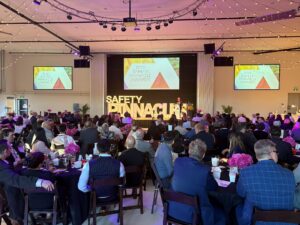
We are still buzzing from Thursday’s 2026 Safety Pinnacle Awards, where industry leaders, members and partners came together to celebrate what they do best: putting people first and making workplaces safer, healthier and more supportive. B.C.’s Safety Leaders—Celebrating Your Impact Even more than the awards, we celebrate the effort. The commitment, time, and dedication of these trailblazing B.C. companies and safety leaders. We celebrate the impact of that hard work. And of course, we congratulate all the night’s honourees— the nominees, finalists, and award winners who support health and safety at work every day. Hosted at the stunning Sky Hangar in Pitt Meadows, BC, the Pinnacle Awards brought together great company, beautiful views, and a few helicopters flying in and out for extra excitement. Guests enjoyed delicious food from White Table Catering, along with local sips from members and sponsors Steamworks Brewery and Andrew Peller Estates. A fun, interactive Prize Wall and a Silent Auction helped raise nearly $5,000 for Threads of Life to support the important work they do for families and communities affected by workplace tragedy. Four levels of Safety Pinnacle Awards were presented to companies that have achieved COR certification to the Occupational Safety Standard of Excellence. New and continuing members of the OSSE Hall of Fame, these organizations demonstrate outstanding leadership and commitment to their employees’ health, safety and well-being. Congratulations to the 2026 OSSE Recipients Topaz: Armature Electric Ltd.; Honeywell Limited; Rapid-Span Precast GP; Silverback Industries; Special Alloy FabricatorsSapphire: Rapid-Span Precast GP; Special Alloy Fabricators; Termel IndustriesEmerald: ContainerWest Manufacturing; Termel IndustriesRuby: Kettle River Brewing Company; Moly-Cop Canada; Puratos Canada The celebration continued with the Safety Excellence award categories. From a record number of nominees, the award winners inspired their teams, networks, and industry peers with their dedication to building safer workplaces and supportive work cultures. Congratulations to the 2026 Winners in all 8 Safety Excellence Categories Manufacturing Safety Innovator Award: NCS International Small Business People First Award: McCrea’s Welding Fantastic Four Risk Control Leader Award: Hevvy/Toyo Pumps North America JHSC Excellence Award: Garaventa Lift Canada Culture of Courage Award: Kicking Horse Coffee Apex Award: Kristen Stinson, Regency Fireplace Products Maureen Shaw Leadership Award: Sandra Tanemura, Andrew Peller Estates Soaring Eagle Leadership Award: Ayissi Nyemba, Emkao Foods Inc. A huge congratulations to every finalist, recipient and winner. Thank you for leading by example, raising the bar for health and safety, and reminding us that when we put people first, everyone wins.

Read More »

Strength Beyond the Shop Floor: Why Psychological First Aid Matters for Men in Manufacturing

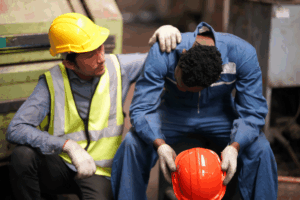
June is Men’s Mental Health Month—and in male-dominated industries like manufacturing, addressing mental health is critical to keeping workers safe.  What do we know about men’s mental health? The suicide rate for men is approximately three times higher than women. (Public Health Agency of Canada, 2023) Of the estimated 4,500 suicide deaths in Canada each year, nearly 75% are men. (Public Health Agency of Canada, 2023) Men are significantly less likely to seek mental health support or therapy. (Sager0Ouiaghli, I, Godfrey, E, 2019) Poor mental health doesn’t stay at home Through our experience and work with members, we see the impact of poor psychological safety on the physical health and safety of workers everyday. “Focus drops. People become distracted. And in high-risk industries like manufacturing or construction, that can lead to serious consequences,” says Dr. Steve Conway, Director of Leadership and Psychological Safety at the Manufacturing Safety Alliance of BC. However, people don’t and can’t leave a part of themselves at the door when they get to work. Stress, grief, or personal challenges can affect attention, decision-making, and overall safety, putting both individuals and teams at risk. The challenge: We see it, but don’t know what to do During the week, we spend nearly half of our waking hours at work. We build relationships with our coworkers and often notice when something isn’t right. But many people: Don’t know how to start the conversation Feel it’s not their place Worry about saying the wrong thing Stigma among men still continues to prevent open conversations. The solution: Psychological First Aid Psychological First Aid provides workers with practical tools to support one another. It helps people break down the masks we wear every day at work: By building skills to start meaningful conversations Recognize warning signs and know how to intervene to offer support Understand and connect people to the resources and services available Sometimes, just having a conversation that is supportive and authentic can encouraging for someone who is having a challenging time. According to OHS Trainer Romy Soullier this upcoming session for Psychological First Aid on June 17 will be more peer-based versus leadership-based. “The focus is on how to have good, healthy, meaningful conversation and connection. And how to respond when start a conversation when they’re not themselves.” Through this course, people learn how to: Recognize changes in behaviours and warning signs Have supportive, non-judgemental conversations Respond and navigate in crisis situations Understand when they are obligated to tell someone When and how to connect someone to resources Like First Aid Attendants, Psychological First Aid attendants are not meant to fix the problem, it’s about assessing a situation, recognizing when help is needed and supporting someone until they are connected to the correct resources. “We don’t expect Psychological First Aid Attendants to be an expert.” explains Soullier. “We talk about the different resources out there—from local, provincial, and federal crisis lines and supports, to company employee assistance programs.” Creating psychological safety takes a change in culture When more workers are trained in psychological first aid within a company, it can: Create an atmosphere where workers are more willing to open up and talk Encourage open conversations Introduce more mental health focused safety moments and Toolbox Talks Reduce stigma Build strong peer support networks Reinforce that safety includes both physical and psychological wellbeing This reflects a company’s commitment to improving the overall wellbeing of their workers. Because worker safety isn’t just physical, it’s psychological too. Register for the Upcoming June 17 Psychological First Aid Course

Read More »

Stock Throughput Insurance: Protecting Your Inventory at Every Stage of the Supply Chain

Modern manufacturing is increasingly decentralized with the rise of complex, global supply chains. Instead of operating out of one manufacturing site, companies may now partner with contract producers, use independent logistics firms for distribution, and store materials or finished items in rented or leased facilities worldwide. For many Canadian manufacturers, inventory is often housed in overseas third-party logistics (3PL) warehouses whether in the U.S., Europe or Asia. Traditional property policies rarely keep up with this business model. Coverage may be limited to Canadian locations or strict terms imposed for inventory transported across borders, leaving significant risk exposure. Stock throughput (STP) coverage is designed specifically to address this challenge. It ensures your stock is protected through every stage of the supply chain without geographic restrictions and regardless of who controls it along the way. What Makes Stock Throughput Coverage Different? In the past, businesses needed separate policies for marine cargo, property stock and inland transit. Stock throughput consolidates all of these into a single plan, offering continuous protection from the point of origin to the end customer. It can include: Raw materials shipped internationally Products in third-party manufacturing facilities Stock stored in public or contracted warehouses Finished goods in transit to buyers From shipping containers to delivery trucks to pallets sitting in another company’s warehouse (even abroad), one STP policy can extend coverage seamlessly. Meeting the Needs of Global Operations More companies are outsourcing manufacturing, packaging and distribution to external partners, sometimes avoiding the cost of owning production plants or storage space altogether. If your goods are stored in a location you do not own or control, a typical property policy may not respond to losses. Likewise, your contractor’s or 3PL’s policy is unlikely to offer full reimbursement. Stock throughput protects inventory throughout its entire custody chain (including while in third-party hands) and because it is a standalone policy, claims made under it won’t affect your property insurance rates or claims record. Advantages Over Traditional Property and Cargo Insurance STP plans are usually managed by marine insurers, who have niche expertise in safeguarding high-value goods in transit. They are often better positioned to provide catastrophe coverage for events like earthquakes, floods and fires. For example, manufacturers operating in British Columbia may secure earthquake coverage under STP when traditional property insurers either exclude it or require prohibitively high deductibles. This flexibility is a major advantage for businesses with supply chain exposure in high-risk regions or foreign markets. Enhancing Business Continuity With Selling Price Valuation and Extra Expense Protection An STP policy can be structured around selling price valuation, which means compensation includes not only the replacement cost of your goods but also the revenue they would have generated. This helps protect profit margins and supports financial recovery after a loss. Many policies also offer extra expense coverage, which may include: Emergency sourcing of replacement goods Expedited freight or shipment rerouting Temporary relocation of storage or production Other urgent measures to keep operations running These options can provide targeted support even if you do not carry a full business interruption policy. Simplifying Claims Management Traditional insurance often involves multiple carriers (i.e. one each for marine, property and inland transit) which can delay claims as providers debate which coverage applies. With STP, you deal with one insurer and one claims team, making the process faster, more transparent, and less disruptive when quick recovery is critical. Is Stock Throughput Right for Your Business? This coverage is especially beneficial for Canadian manufacturers who: Keep goods in overseas 3PL facilities (U.S., Europe, Asia) Use contract manufacturing or co-packing services Lease or rent warehouse space Import raw materials or components Sell and ship across provincial or national borders Seek catastrophe protection for events like floods or earthquakes Want to avoid property insurance claims that impact renewal costs A Policy Built for the Reality of Manufacturing Today The manufacturing process can now span multiple locations, partners and continents. STP aligns with the fluid, interconnected nature of modern supply chains, closes gaps left by standard policies, and enables growth without sacrificing protection. If your current insurance no longer reflects how you operate, an Acera Insurance advisor can help you explore whether a stock throughput plan is the right fit for your business model. Editor’s Note: This article was written by Mark Lee and Colin Campbell, and originally published by Acera Insurance at: https://acera.ca/how-stock-throughput-insurance-protects-your-inventory-across-the-supply-chain/ Mark Lee is Director, Commercial Client Care for the BC and Yukon offices of Acera Insurance. He brings more than 30 years of experience developing and structuring large, complex insurance and risk management programs, specializing in the manufacturing and technology sectors. Mark is an active member of the Manufacturing Safety Alliance of BC. Connect with Mark at mark.lee@acera.ca or 604.484.4999. Colin Campbell is a Client Executive with 18 years of international business experience in the manufacturing, wholesale and retail sectors. He is committed to working directly with clients to understand their businesses and find the best options for their needs. Connect with Colin at 604.484.4995 or colin.campbell@acera.ca.

Read More »
JHSC Shop Floor Collaboration

Coaching Employees for Safety: A More Effective Approach Than Telling Them What to Do

In the world of workplace safety, it’s easy to fall into the habit of simply telling employees what to do. The rules are clear, the protocols are in place, and the expectations are non-negotiable, so why not just direct? Compliance doesn’t always equal commitment. Telling someone to wear PPE, follow procedures, or report a hazard might result in short-term action, but it rarely leads to lasting change. Coaching, on the other hand, creates space for employees to understand why safety matters, reflect on their role, and make personal, meaningful connections to safe behaviour. What’s the difference between telling and coaching? Telling is top-down. It assumes the message alone will lead to action. Coaching is collaborative. It invites conversation, explores barriers, and taps into motivation. Safety coaching impacts workplace culture When we coach employees into safety, we engage their thinking. We help them reflect on the consequences of their choices, not just for themselves, but for their colleagues, families, and the workplace as a whole. Safety culture is strengthened. Safety coaching helps employees: Take ownership of their actions Understand the bigger picture Feel respected and heard Build problem-solving capacity Develop intrinsic motivation for safety Shifting towards coaching When leaders and supervisors move from just issuing directives to asking thoughtful questions, listening actively, and supporting reflection, something powerful happens. Employees stop seeing safety as someone else’s job, and start making it part of how they lead themselves and look out for others. Here are a few simple, powerful coaching questions leaders can ask: “What made that task feel risky or uncomfortable?” “What would make it easier or safer to do this job next time?” “Have you noticed any patterns or near misses lately?” “What would you do differently if you were training a new employee?” “What’s one change that could improve safety on this team?” If we want safer workplaces, we can’t just focus on rules and reminders. We need conversations that build insight, accountability, and buy-in. Coaching doesn’t replace clear expectations, it enhances them. Let’s lead safety conversations that stick. — Editor’s note: Contact Steve to schedule a one-on-one leadership coaching session. Additionally, Steve provides consultations to members on how to create safe and healthy workplaces—and offers workshops on a variety of mental health topics that can impact manufacturing facilities. Written by Dr. Steve Conway | Director of Leadership and Psychological Safety Originally shared via  LinkedIn

Read More »

Finding a passion for injury prevention

Bill Bowman was only 19 years old when his life changed forever. He had just found a summer job at a rail car manufacturing plant in Hamilton that paid three times what he had previously made as a maintenance man. On that fateful day he was tasked to work with a small brake press, adjusting the gauge with one hand and holding a wrench with the other. He accidentally stepped on the foot pedal which activated the machine he was working on – instantly crushing his left arm and severing it from his body. A quick-thinking co-worker applied a tourniquet, likely saving Bill’s life. But despite multiple attempts to reattach his arm over the next six weeks, his left arm was eventually permanently amputated. Although the loss of his arm was traumatic and life-changing, Bill considers himself one of the lucky ones saying, “I was fortunate to have extremely supportive family and friends.” This included his Uncle Jim, a WWII veteran who was himself an amputee as a result of stepping on a landmine during the war. Uncle Jim always encouraged Bill to see the good in life – a lesson he took to heart, and one that helped him press on after his injury. But Bill knew that not everyone who is affected by a workplace injury has the strong support system he had, which inspired him to partner with Threads of Life shortly after it was first formed in 2003. As a national Canadian charity, Threads of Life counts on the leadership of companies and organizations committed to health and safety and to Canadian families. They assist by: spreading the word to people who need support, increasing participation in Threads of Life programs and events, facilitating volunteerism, and growing Threads of Life’s funding. Today, Bill is still an active member of Threads of Life as a volunteer family guide and a member of the Threads of Life volunteer speaker’s program. He is just as passionate about injury prevention as he was nearly two decades ago and is showing no signs of slowing down. He explains, “Sadly, many workers and their families and friends continue to experience a devastating loss as a result of a workplace injury; however, they have not had the childhood experiences and mentor which definitely aided my recovery. This is why Threads of Life is so important for those who are beginning or continuing their journey of healing and therefore my involvement will continue as long as I am able.” Read more of Bill’s story on the Threads of Life blog. Editor’s note: Thank you to Threads of Life for allowing us to share Bill’s story; helping us raise awareness and find another why behind our work in making workplaces safer across B.C.

Read More »
WHMIS EducationThe Workplace Hazardous Materials Information System (WHMIS) education course provides essential training on the safe handling, storage, and disposal of hazardous materials in the workplace. Available in 5 languages: English, Spanish, Punjabi, Mandarin, and Cantonese.
Navigating BC OHS LegislationAs new or experienced safety committee members, managers, or supervisors, it is important to fully understand and know which OHS regulations are related to your work and how you may be in compliance—or not. This 45-minute self-paced course helps introduce people to information on how to identify and find the OHS legislation related their work—perfect for anyone working at a manufacturing or food processing facility who may be tasked with consulting OHS legislation.
Mental Health Skill Building for WorkersIn this 45-minute, self-paced online course, workers learn to identify common signs and symptoms of mental health issues, to recognize stigma and reduce the impact. They learn practical strategies to respond to a co-worker experiencing a mental health issue.
Managing Difficult ConversationsWhether you're working in an environment in-person or virtually, gain practical tools to help you manage difficult conversations effectively to achieve the best possible outcomes through this course.
Hearing ConservationThis awareness level course will introduce learners to the importance of hearing conservation and how to protect themselves from hearing impairment.
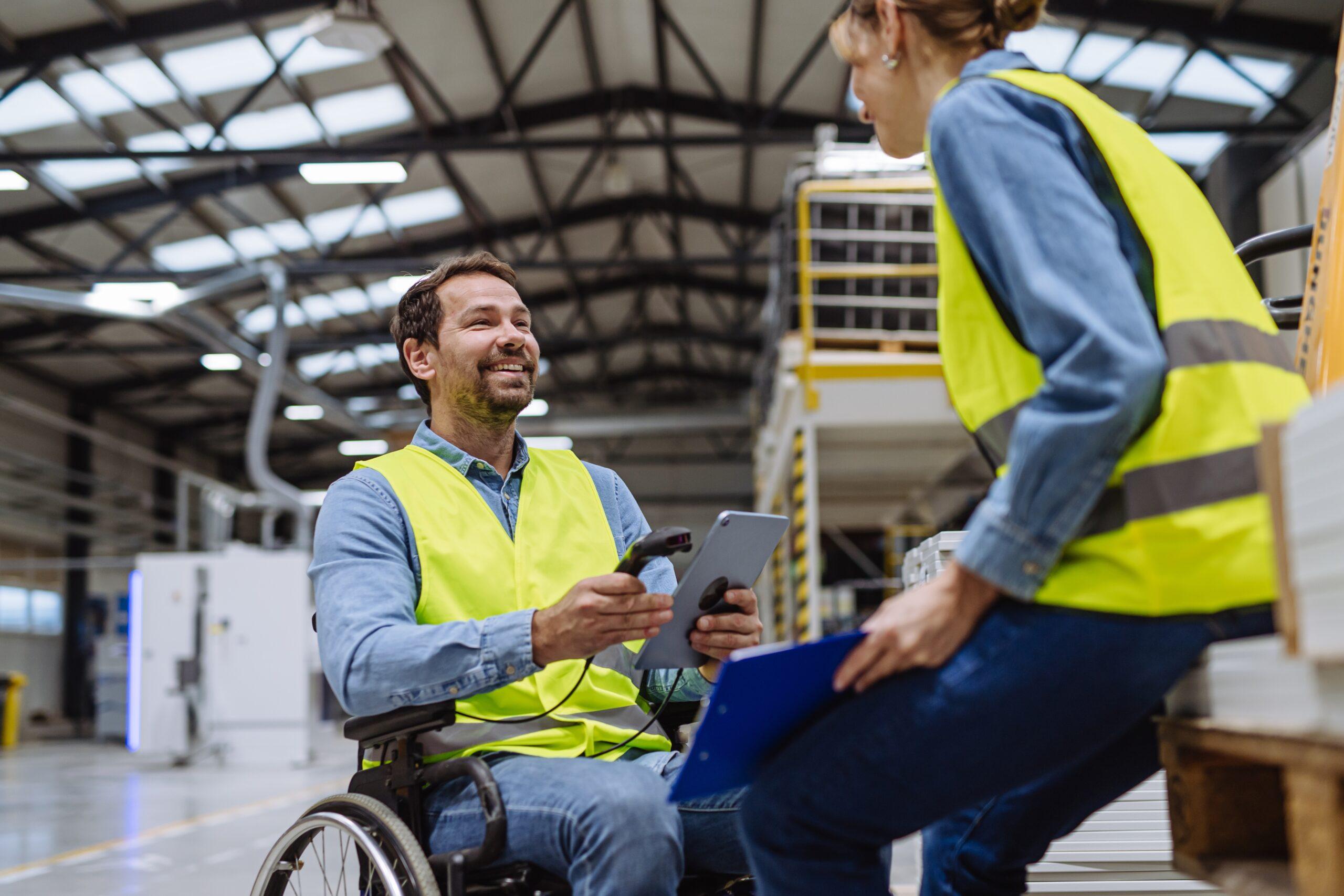
Disability Awareness: Working with People with DisabilitiesCreating an inclusive working environment and workplace is essential for fostering innovation, improving team dynamics, and addressing the evolving needs of today’s workforce. By understanding the challenges faced by people with disabilities and recognizing their unique contributions, learners will gain the skills to support a more diverse and equitable environment. This online course was developed to raise awareness and provide practical strategies to work effectively with people with disabilities.     
Developing a Safety Procedures ManualConsistent safety procedures foster safer working environments, reduce injury-related downtime, and boost productivity. This course will provide participants with the foundation needed to start writing safety procedures that are clear, concise, and practical for day-to-day use. 
Prepare now to prevent heat-related illness at workHeat-related illnesses happen when a person heats up faster than they can cool down. Heat-related illness can affect everyone – even those accustomed to working in the heat. If heat stress progresses to heat stroke, it is a medical emergency that, untreated, can lead to death.
BCCDC COVID-19 Checklist for Processing FacilitiesThis checklist is to guide processors and inspectors in evaluating COVID-19 control programs in processing facilities. Refer to the Guidance on reducing the risk of COVID-19 to workers in processing facilities for details.