Blog

B.C. Leaders and Business Celebrated at the 2024 Safety Pinnacle Awards Gala

AT the 2024 Safety Pinnacle Awards Gala, manufacturers and business leaders from across B.C. gathered to recognize the unsung heroes of the sector and beyond—the ones leading the way in safety innovation and performance to keep people safe. Before the awards presentation, industry professionals networked and connected to celebrate together. The awards presentation shone a spotlight on award winners from a wide array of industries—B.C. companies that make beer and process fruit, produce combustible dust systems and custom metal work, build boats, manufacture insulation, and much more. Businesses and leaders from across the province were celebrated for the steps they have taken to achieve, maintain, and refine successful workplace health and safety programs. MEET THE safety Pinnacle Award RECIPIENTS: Topaz Award Sapphire Award Emerald Award Ruby Award MEET THE safety Excellence Award WINNERS: Soaring Eagle Leadership Award Apex Award Manufacturing Safety Innovator Award Joint Health & Safety Committee Excellence Award Fantastic Four Risk Control Award Small Business People First Award Safety Pinnacle Awards are presented to businesses who have met particular criteria within a particular year. Learn more. 2024 Safety Excellence Awards The Safety Excellence Awards recognize the teamwork, dedication, and innovation of companies who took steps in the past year to build thriving safety cultures and keep their teams safe. Winners for each of these Safety Excellence Awards are determined by an external panel of judges. Thank you to all the nominees for sharing your stories and achievements. Nominations for next year’s Safety Excellence Awards will open this fall. Manufacturing Safety Innovator Award For innovation in OHS management systems, health and safety training, wellness programs, and culture. For more than 30 years, Urban Impact Recycling has been a leader in waste management strategies and solutions. The company has unified around the safety concept “Safety from the Ground up.” They acknowledge teammates who demonstrate safety excellence, team members who take on a leadership role in safety and mentor others, and team members who observe or notice deficiencies in safety practices and bring forward suggestions on improvement—or simply team members excelling in their roles as they practice the safety systems. The first company value at Urban Impact Recycling has shaped their culture: “Work safely, always.” Congratulations to 2024 winner Urban Impact Recycling (New Westminster, BC) and finalists CKF Inc (Langley, BC), Silver Hills Bakery (Abbotsford, BC), and Sunrise Farms (Langley, BC). Joint Health & Safety Committee Excellence Award For excellence beyond regulatory requirements—for cohesive teamwork that makes a positive impact on workplace culture. The JHSC at Vancouver Island Brewing works closely with the social committee look for relatable and engaging ways to include safety in social activities. At their Summer BBQ last year, they included a fire extinguisher demonstration, and for Halloween they conducted a realistic worst-case scenario incident investigation demo—complete with an ample supply of fake blood and limbs. They also organize an annual “Wellness Challenge” each year to encourage team members to explore self-care so that they can live a healthier and happier life. Congratulations to 2024 winner Vancouver Island Brewing (Victoria, BC) and finalists CKF Inc (Langley, BC), Garaventa Lift (Surrey, BC), and Kicking Horse Coffee Co. (Invermere, BC) Fantastic Four Risk Leader Award For implementing leading solutions in key manufacturing risk areas – and demonstrating leadership in integrating health and safety into their culture. “Thank you so much for this recognition. It honours a commitment to safety (Peerless) started 15 years ago—when Peerless was on the verge of being closed down by the Workers Compensation Board. We moved from a production focus to a focus on safety, and we engaged our team through weekly toolbox safety talks, near miss reporting, and crew talks—identifying and participating in the resolution of safety opportunities. Safety is a goal you choose to pursue each day as a worker, a supervisor, or a business, on behalf of the Peerless team, thank you!” Congratulations to 2024 winner Peerless Limited (Penticton, BC) and finalists Kingfisher Boats (Vernon, BC) and Sunrise Farms (Langley, BC). Small Business People First Award Recognizes a small manufacturer that goes above and beyond to make a positive impact on workplace culture with demonstrated leadership. Richmond-based ContainerWest Manufacturing has built shipping container-based buildings and industrial enclosures since 1997. The keys to their safety program are clear expectations, team effort, and pride. Despite the best efforts of business leaders and safety individuals, unexpected things can still happen. And this is one of the things that drives the team at ContainerWest towards learning more and building a culture that focuses on minimizing risks as much as they can to protect their people. To learn more, to do more, and to celebrate small victories. Congratulations to 2024 winner ContainerWest Manufacturing (Richmond, BC) and finalists Environmental Mats (Prince George, BC) and Okanagan Beverage Company (Coldstream, BC). 2024 Soaring Eagle Leadership Award The Soaring Eagle Leadership Award recognizes an executive leader or business owner for exemplary and inspiring leadership that includes commitment to health and safety. Our judges noted that all the Soaring Eagle Leadership Award finalists demonstrated passion for purpose, caring for employees, and were champions and inspiration for health and safety with their teams and in their communities. This year’s finalists are champions and inspiration for health and safety. The nominees’ leadership styles reflected their dedication and determination and their companies OSSE certification. While this is an individual award, each organization’s health and safety performance is also taken into consideration. And to protect the integrity of these awards, we rely on the experience and judgment of a highly experienced and qualified panel of third-party health and safety experts. All the nominees this year are exceptional safety leaders, making an impact on safety culture within their organizations and beyond. All the nominees are very deserving candidates and the judges offer their sincere congratulations to each of them. Brent McCrea Owner | McCrea’s Welding Ltd. The nominees this year brought such varied experience and backgrounds that the judges found it very difficult to choose a winner. Ultimately, Brent stood out not only for his safety leadership at

Read More »

Safety is a marathon, not a sprint

Fine Choice Foods started 38 years ago as a small family-owned business. Today, they have two facilities and output multiple hundreds of pieces every minute. As a smaller business, change was easier. “To achieve OSSE certification, we knew it could be a challenge to get people to buy in. Just because we have been doing something one way doesn’t mean that it is the right way—or the safest,” said Jason Longden, CEO of Fine Choice Foods Ltd. Leadership is a critical factor. “When I was hired in 2021,” comments OHS Manager Cherri Singleton, “one of my main goals was to see this organization through OSSE certification. I’ve been preparing for it since I arrived.” Through a pandemic, turnover, new hires—young workers and foreign workers—the key to their ability to sustain and build buy-in is trust. A new worker herself, Cherri knew it was important to be visible in the plant and follow through. “When people came to me with ideas or issues, I made sure that we fixed them.” She also made a point to communicate back with the suggesters. Getting buy-in means communicating why safety is the number one priority. It takes patience more than processes, Jason notes, to help workers understand why safety is important. Building relationships takes time, and Jason shares “Safety is a marathon, not a sprint.” By taking the time to do it well, Fine Choice Foods built a healthy and robust safety culture. “Once people realize that you’re there to make things better and easier for the employees, you’ll win,” says Cherri. “People seem much happier, more engaged. There is often a line-up outside my door because people want to talk to us about safety,” Cherri explains. “It may be something very simple, or more major—anything to do with safety. They know they can come to our office with their concerns.” Three years ago, they had to appoint workers to the Joint Health and Safety Committee, Jason notes, today, workers campaign for the honour. “Our people are engaged and want to be part of the solution.” For others considering OSSE, Jason and Cherri emphasized the importance of support and buy-in— from workers and leaders—and of a person to lead the journey. “People like Cherri and our operations group really drove this process, helping us make it a significant business priority.” Jason cautions not to underestimate the path. “It’s work, it’s perseverance, it’s a lot of push,” he explains. “But also, don’t underestimate the joy that you’ll get at the end of it through engagement, better safety, and overall better business. A safe business is a good business, right?” “OSSE is not about a manual or a policy or a procedure or a financial rebate. It’s about doing what‘s right, living a guiding principle to make our business safer for our people.” Jason Longden, CEO, Fine Choice Foods

Read More »

Fine Choice Foods Receives Occupational Safety Standard of Excellence Certification

Fine Choice Foods, a leading producer of Asian-inspired foods throughout North America, today announced it has attained the Occupational Safety Standard of Excellence (OSSE) certification for manufacturers and food processors in British Columbia. Only one percent of food processing companies in British Columbia achieve OSSE certification, distinguishing Fine Choice Foods as an industry leader. Fine Choice Foods specializes in spring rolls, gyoza dumplings, and the original apple pie roll under the SUMM! brand.

Read More »

OHS Canada Feature | The use of augmented reality in health and safety training​

“The future of safety training is changing fast, and leaders will need to keep up, especially if they want to connect with a younger workforce on a deeper level. Gamification, virtual reality, augmented reality, the metaverse, and artificial intelligence are fuelling a training revolution.” Propelled by innovative technologies that promise to enhance efficiency and knowledge transfer, workplace health and safety training is undergoing a transformation. Manufacturers are looking to immersive technologies such as virtual reality (VR) and augmented reality (AR) tools to equip their teams with consistent and effective health and safety training. Hands-on safety training significantly improves understanding and retention of training information. In the past, this was only achievable through costly on-site training. Today, AR and VR training immerses workers in simulations of real-world situations where they can practice and apply the most complex safety procedures from anywhere. This results in efficiencies and cost reductions for some employers—with stunning improvements in results compared to traditional methods. Immersive training can also engage learners through gamification elements such as points, rewards, and competition. For leaders, this new technology creates opportunities to make training more enjoyable and interactive. Engaged employees support a strong and healthy safety culture. And workers are more likely to stay focused, complete training modules, and retain crucial safety knowledge through short, directed, and hands-on virtual learning. Since October 2023, two independent systemic literature reviews have been published through Safety Science on the use of immersive technologies for occupational health and safety training and education. These reviews concluded that indicators strongly suggest immersive solutions are more effective than traditional training methods. Anecdotally, workers young and old at Husky Technologies, an Ontario-based global injection molding packaging systems manufacturer, have come to perceive the use of immersive technologies as the future of training. Trainees shared that their immersive learning platform has added value to their learning experience of how to work safely on client sites. And for the company, it provides a streamlined and convenient way to ensure that all their technicians receive the same standardized training. As businesses adopt immersive technology, there are broader implications for workplace culture and risk management as well. Business leaders are beginning to recognize that investments in advanced training technology can take them beyond regulatory compliance in a strategic move toward creating a safer, healthier, and more productive work environment. As leaders consider the benefits of a shift from a compliance-driven approach to training to a proactive, data-driven, and employee-centric model, they are seeing long-term benefits to their training technology investment. Sustainable gains in efficiency and performance support the collective skills and competency of learners and underscore the value of their people. Written by: Lisa McGuire Originally published in OHS Canada’s Digital Edition, Winter 2024.

Read More »

OHS Canada Feature | Inspiring World Class Health, Safety, and Performance

Leaders play a key role in creating both physically and psychologically safe workplaces. As leaders, we have the duty to guide our organizations to long-term success and to care for our essential resources and investments—time, money, and most valuably, people. To do that successfully, our vision needs to recognize how the health, safety, and well-being of our teams integrates into overall performance. The most effective leaders recognize the critical role of a healthy safety culture in business success. Fostering a shared vision and culture of safety is both our moral and our pragmatic responsibility as leaders to ensure the sustainable success of our businesses. In a recent interview with Michelle Lofting, a health and safety leader at Factors Group of Nutritional Companies and the 2023 Safety Excellence Awards recipient of the Apex Award for safety advocacy, she reinforced this critical message: “Safety culture is important,” she noted. “It drives change within the organization. And it’s the right thing to do when it comes down to safety.” People make businesses successful. They are the most important resource we have. So, ensuring that they have a safe and respectful environment in which to work is not only the way forward, but the only way to build thriving and sustainable organizations into the future. To support ongoing success, we need to ensure that our people are equipped and empowered to make decisions daily that align with our vision and values. Great leaders take responsibility for health and safety throughout the organization. To set a tone of accountability right from the top, one where everyone takes ownership, we, too, need to hold ourselves to the same standard, walking the walk that we ask of our teams. By our investments of time and resources, and unflagging engagement of our teams’ participation in safe behaviours that strengthen our safety culture, we can change people’s attitudes and motivations. “With the right vision, we set standards about creating the right environment where people feel comfortable speaking up when something isn’t right with no consequences,” notes Puratos Canada President Michael Simone, a 2023 finalist for the Soaring Eagle Leadership Award. “A feedback culture is key to safety,” he adds. When people feel heard and have the tools to evaluate their own health and safety actions, our programs become more effective. One way we can build this level of buy-in is to commit to a path towards certification. Health and safety management programs that meet an occupational safety standard of excellence certification have consistently shown to produce superior performance results. Certification offers a roadmap for teams to use to reinforce successful health and safety processes and identify those that need improvement. It helps companies set measurable goals and benchmarks, and to work together to build safer workplaces where everyone can thrive. Excellent leaders recognize that a strong safety culture reflects a healthy workplace culture, one that celebrates successes and recognizes the growth and contributions of individual team members. And the sustainability of our success requires us to remain vigilant in the face of change. “You cannot rest on the wreath of glory, even for one second,” comments 2023 Soaring Eagle Award recipient Amit Golan, Vice President at CKF Inc. “Even if you’ve done something half decent, you need to always look at the present and the future,” Golan adds. “You must live and breathe safety at all times, every day.” That level of humility, vigilance, and dedication to continuous improvement characterizes the most successful leaders. With emerging technology, strategies, research, and risks; leaders also need to stay current on challenges, opportunities, and trends with the potential to impact our organizations—locally, nationally, and around the world. At global events such as the World Congress on Health and Safety or closer to home at Canadian events such as our upcoming Make It Safe Conference, online this fall, leaders can build connections and knowledge to stay informed and walk away with crucial tools in defeating complacency. Events like these offer unique opportunities for business owners and executives to explore, connect, and discuss current and emerging key issues, developments, and strategies—because health, safety, and performance are intricately connected. The steps we take to recognize this connection, and the levers we can control to support it, are the keys to building healthy, accessible, inclusive, and respectful workplaces, and thriving industries. Written by: Lisa McGuire Originally published in OHS Canada’s Digital Edition, Fall 2023.

Read More »

CKF Inc. Combines Environmental Sustainability with Safety

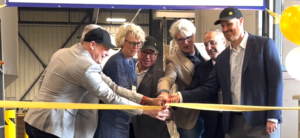
A huge congratulations to CKF Inc., a Manufacturing Safety Alliance of BC member, for officially opening a new building in their Langley operations. This building marks their partnership with EarthCycle Packaging and a move towards increasing their production of environmentally sustainable food packaging. Since 2018, CKF Inc. has worked to integrate safety into their operations and goals of producing disposable tableware and food packaging that is 100% recyclable and compostable and reducing their green house gas emissions by 60 percent. CKF Inc. and their approximately 1,100 employees supply approximately 60% of all disposable food packaging for the entire province—from egg cartons to blueberry containers— and is one of the largest employers in Langley. It is a family owned and run business that is still very much a cornerstone of its community and many families. In its 90 year history, the company boasts a number of workers who have been part of its operations for more than 25 years.  Sean (pictured on the left) has worked at CKF Inc. for the last 18 years and shares that he is proud of their safety culture.  As one of the first aid attendants for the company, he understands that accidents are inevitable, but the emphasis on reporting near misses means that there is an opportunity to learn, grow, and make their work safer every day. Safety is top of mind for all staff and everyone participates in their safety program. Since achieving OSSE Certification in 2019, CKF Inc. has been the recipient of a Topaz Pinnacle Award, Sapphire Pinnacle Award, Emerald Pinnacle Award, two Fantastic Four Risk Control Leader Awards (recognizing demonstrated excellence in four key areas of manufacturing safety), and Amit Golan received the coveted Soaring Eagle Leadership Award in 2023. Click here to read more about CKF Inc.’s grand opening. https://youtu.be/uI35zuXYYdQ

Read More »
Make It Safe Okanagan Panel

Make It Safe Okanagan: From Workplace Health & Safety Impacts to Solutions

On Friday, April 21, more than 100 people from across the Interior gathered in Kelowna for Make It Safe Okanagan, our first health and safety conference in the region. Attendees came with backgrounds working at food processors, wineries, breweries, boat manufacturers, pipe manufacturers, and more! “Safety is the product of what we do. Safety is not at people, but for people.” Jeremy Armstrong-WaughRegional Safety Manager, Rahr Corp The opening keynote featured a moving presentation by Threads of Life representative, Shawna Harroun. Shawna shared how her husband Tommy’s illness and death affected their family, and how their experience has become a rallying cry for the use of PPE within the plastic manufacturing industry. However, young and new workers are still not in the practice of using proper PPE that could prevent workplace caused illnesses’ like Tommy’s from potentially appearing in their futures. “”A good safety professional saves the company three times their wages.” Andy McEachernSenior VP, Peerless Ltd. Manufacturing Safety Alliance of BC CEO Lisa McGuire hosted an afternoon industry panel discussion with leaders sharing their thoughts and insights on the evolution of safety culture. The panelists noted that fatalities and injuries are a low benchmark when talking about safety. for Discussions reflected upon the changing demographics of the current workforce and spoke to ways on how to best engage and retain talent, in particular about finding people who align, reinforce, and engage with the cultural messages and values of a company. Panelists included, Stuart McVitty (Chief Operating Officer, Bryton Marine Group/ Kingfisher Boats; Vernon), Gordon Jack (Maintenance and Continuous Improvement Manager, Andrew Peller; Kelowna), Andy McEachern (Senior Vice-president, Peerless Limited; Penticton), and Jeremy Armstrong-Waugh (Regional Safety Manager, Rahr Corporation/Gambrinus Malting; Armstrong). “Find a champion to help effect change. Don’t be scared to rock the boat and start the conversations. Be persistent, because it will take time.” Stuart McVittyCOO, Bryton Marine Group Peppered between these sessions were packed hands-on practical sessions with experts from WorkSafeBC, MSABC, and UBSafe. One important message shared is that every company is different, and what might work for one may not be scalable to another in another region. However, events like Make It Safe Okanagan help safety and health professionals better understand what tools, resources, technology, and practices exist; enabling leaders to bring new health and safety strategies and learnings to protect their own workers and teams. This event was made possible with the additional support of Allied Partner TeksMed Services, Marquis Sponsor CapriCMW/Acera, and Safety Sponsor WorkSafeBC. Next year’s Make It Safe Okanagan will be happening on April 18, 2024.

Read More »
National Occupational Safety + Health Week

2023 Health & Safety Week Classes

North American Occupational Safety and Health (NAOSH) Week was launched in June 1997 by an agreement between Canada, the United States and Mexico.   Make training part of your Safety and Health Week plans this year!  Choose from seven of our most popular classes for JHSC and Safety Reps in the Lower Mainland or Kelowna. Starting at just $75/seat, these classes meet the requirements for JHSC and Safety Rep annual training and cover health and safety essentials for small businesses. Emergency Response Planning 8:30 AM to 5 PM (8 hours). $125. Course details. Kelowna – May 1 Coquitlam – May 1 Hazard Identification and Control 8:30 AM to 12:30 PM (4 hours). $75. Course details. Combine with Workplace Inspections for 8 hours.    Kelowna – May 2 Surrey – May 2 Workplace Inspections 1 PM to 5 PM (4 hours). $75. Course details. Combine with Hazard Identification and Control for 8 hours. Surrey – May 2 Kelowna – May 2 Joint Health and Safety Committee 8:30 AM to 5 PM (8 hours). $125. Course details. Kelowna – May 3 – FULL Surrey – May 3 Abbotsford – May 4 Fundamentals of Thermal Imaging 8:30 AM to 3 PM (6 hours). $109. Course details. Kelowna – May 4 Incident Investigation 8:30 AM to 5 PM (8 hours). $125. Course details. Kelowna – May 5 Surrey – May 5 Industrial Storage Racking 8:30 AM to 12:30 PM (4 hours). $150. Course details. Virtual – May 6

Read More »
Young Worker

New Minimum-Age Restrictions for Young Worker Regulations in B.C.

Changes to the employment standards regulation to protect vulnerable young workers in British Columbia will take effect January 1, 2023. The Ministry of Labour last week announced the new minimum-age requirements for young workers in a number of manufacturing, construction, and resource-sector jobs. The changes to the employment standard regulations will come into effect in the New Year. Statistically, more than half of serious injuries happen in a worker’s first six months on the job. The cost is high—to employers and the young workers themselves. In the past decade, WorkSafeBC has paid $26.4 million in job-related disability claims for workers aged 16 to 18 at the time of their injuries. For some young workers, those injuries have resulted in life-long disabilities—and 16 have died in the past five years as a result of workplace incidents. To protect young workers, the regulations are changing—applying minimum-age restrictions to the most hazardous jobs for young workers in a variety of industries—including a number in the manufacturing and food processing sectors. Under the new rules, young workers must be at least aged 16 to work in construction or siviculture, as forest firefighters, or in any job from a height that requires fall protection. Young workers will have to be at least aged 18 to work in these jobs: • Forestry: Any job that uses a chainsaw, including tree falling and logging • Metals: In production at a foundry, metal processor or fabricator, refinery or smelter • Pulp and paper: In production at a pulp, paper, shake, shingle, or saw mill • Power: In power-line construction or maintenance where an electrical hazard exists • Oil and gas: oil or gas field servicing and drilling • Food processing: Working with dangerous equipment in fish, meat, or poultry processing And across all industries, young B.C. workers will have to be at least aged 18 to work in any job that involves: • Silica process/exposure to silica dust • The possibility of exposure to potentially harmful levels of asbestos or radiation • Work in a confined space or underground workings • Work requiring a respirator Workers who are within six months of the minimum age on January 1, 2023, will be grandfathered under the new rules. More: Ministry of Labour News Release

Read More »

Automation, safeguarding, and machine safety in the workplace

April’s 12 Months of Safety topic is safeguarding and machine safety. We had the opportunity to chat with João Paulo Vaz – Machinery Safety Consultant & CMSE® Training Advisor at Pilz Automation Safety Canada L.P., on this critical safety topic. Safety requires competence and attitude. Both can be developed. ` João Paulo Vaz How did you get into this business? I started working in industrial automation as an electronics technician, providing support to customers in applying products back in 2003. In 2012, I graduated as Electrical Engineer and Pilz Brazil invited me to work as a Machinery Safety Consultant. In 2013, I was promoted to Team Leader for Training and Standards. In 2018, I got my post-graduate degree in Occupational Health and Safety Engineering in Brazil. In September of the same year, I started working for Pilz Canada as Machinery Safety Consultant and Training Advisor. How is the rise in automation impacting worker safety in manufacturing? The rise in automation is not a problem, is a solution. What really impacts worker safety is the lack of competence in the field of machinery and workplace safety. A ‘competent person’ is defined, in general terms, as someone having the knowledge, training and experience to assess and reduce the risks to health and safety in the workplace. A competent person knows that good machinery design is that one which requires fewer human interventions. The less interaction between workers and machine, the less likely it is to happen a hazardous event. The more automated tasks are, the safer manufacturing is. What are some of the critical factors you look at when assessing the risk of machinery in a plant? Based on ISO 12100, Pilz has established their own methodology for machinery risk assessment. Here are the steps Pilz’s machinery safety consultants follow during a typical risk assessment site visit: Determine the limits of the machinery, i.e., determining the intended use, space and time limits, technical characteristics, human-machine interaction, and any other relevant information. Systematically identify hazards, e.g., mechanical, electrical and thermal hazards, noise, vibration, radiation, physical and chemical agents, as well as hazards related to the environment in which the machine is used and possible combinations of hazards. Estimate the factors contributing to the risk associated with each hazard, i.e., the severity of the harm, the likelihood of a hazardous event, the frequency and duration of exposure, and the possibility to avoid or limit the harm. Following the site visit, a report is prepared, listing the hazards, evaluating the risks, and determining if further risk reduction measures are required. The report shall conclude whether or not the machinery can be considered safe to run, taking into consideration the legislation, the standards and good engineering practices. Can you only implement machine safety with modern machinery? What about plants working with older or second-hand machines? The best way to eliminate or reduce risks to workers is to look for inherently safe design measures, which is something reputable machine manufacturers usually do. It is advisable for companies that use machinery to have a competent procurement team with good notions of machinery safety who seeks to purchase machinery from reputable manufacturers. However, eliminating or reducing the risk by inherently safe design measures may be very expensive or even impossible for existing old machinery. Retrofitting old machinery with appropriate safeguarding means can be an alternative, but experience has shown that such retrofitting may impact productivity in some cases, even when performed by competent persons. In such cases, it may be worth replacing the entire machine, considering the increased performance of new modern machinery. For that purpose, Pilz recommends a preliminary Plant Assessment. This multi-parameter analysis yields an estimate and priority list of the safety requirements needed for each machine to help decide if retrofitting is feasible. Who is responsible for machine safeguarding in the workplace? Everyone in an organization has a certain degree of responsibility regarding health and safety, from top management to the shop floor. However, establishing an appropriate Occupational Health and Safety Management System (OHSMS) is the most crucial step toward continuous improvement of machine safeguarding in the workplace. Top management should assume responsibility for: Ensuring essential resources are available to establish, implement, maintain and improve an OHSMS Defining roles and allocating responsibilities to facilitate effective OHSMS Isn’t it possible to train people to stay out of dangerous areas of machinery? No. According to ISO 12100, we assume that, when present on machinery, a hazard will sooner or later lead to harm if there is no protective measure in place. Human error and violations during the performance of safety-critical procedures can very likely cause personal injuries or property damage. In addition, specific machines (e.g., mechanical presses, injection moulding machines, press brakes, CNC machines, robot cells) and activities require the worker to enter hazard zones. What are some of the types of risks machines pose to workers? Most significant machine-related risks are of mechanical and electrical nature, leading to permanent disabilities or fatalities. However, other hazards caused by physical, chemical, and biological agents, e.g., thermal hazards, poor ergonomics, noise, vibration, radiation, material and substance hazards, shall also be considered and their associated risks adequately evaluated. Why do we see machine safeguards sometimes circumvented in workplaces? Bypassed safeguards are usually the result of a deficient design due to an incomplete risk assessment. A good risk assessment shall consider the motivation for defeating or circumventing safeguards when, for example: Safeguards slow down production or interfere with another activity or preference of the user The safeguards are difficult to use. It is also essential to consider the workers’ possible behaviour and reasonably foreseeable conditions of misuse of the machine, for example: Behaviour resulting from taking the “line of least resistance” in carrying out a task Behaviour resulting from pressures to keep the machine running in all circumstances. When these concepts are considered, adequate protective measures associated with appropriate operating modes, such as teach mode, process observation, etc., must be introduced in the design of the machine, reducing the workers’ motivation

Read More »

Hearing loss in the workplace IS preventable – Make hearing conservation an injury prevention strategy

In March, we recognize World Hearing Day (March 3) – an annual global advocacy event that calls for action to address hearing loss. Hearing loss is more common than you might think – an estimated 54 percent of Canadians, ages 40-79, have a least mild hearing loss. Occupational hearing loss can happen when workers are exposed to loud noise or chemicals that affect hearing. Hearing loss isn’t easy to notice, but overexposure to loud noises decreases our ability to hear with time. When you experience excessive noise, damage occurs to tiny sensory cells (microscopic hair cells) deep inside your ear, so there’s no way to see the damage, and there is no pain. We sat down with Alliance Associate member TJs Workplace Hearing Testing to talk about hearing loss in the workplace. How prevalent is hearing loss in the workplace? It is widespread to see hearing loss due to noise in the workplace. In our experience, the risk of noise-induced hearing loss can vary from industry to industry, but the truth remains: noise will cause damage to our ears What are some of the most significant contributors to hearing loss at work? Exposure to machinery noise and improper use of hearing protective devices are two significant contributors to hearing loss on the job. How preventable is workplace hearing loss? Workplace hearing loss is 100% preventable as long as employees make a conscious effort to wear hearing protection correctly. Hearing protection devices, like other PPE – such as safety vests, safety boots, and goggles – minimize the risk of hearing loss and injury in the workplace. What are some of the key things businesses should consider to protect workers’ hearing? Business owners and operators should think of hearing tests as a wellness and health issue instead of a compliance issue. Many companies have employee group benefits for vision and dental coverage – but those plans don’t always cover hearing tests. Hearing tests help prevent and manage hearing loss and are critical for health management, just like vision and dental care. Where do you see opportunities to improve hearing conservation programs in your work with businesses? In our experience, businesses can improve their hearing conservation programs in three ways: Shift their mindset from compliance to wellness when it comes to hearing Have consistent annual hearing tests for workers – especially those regularly exposed to excessive noise on the job Improve their selection of hearing protection devices How critical is PPE/hearing protection in preventing hearing loss? PPE and hearing protection devices are extremely critical to prevent hearing loss in workers. How often should workers have a hearing test? Workers should have their hearing tested at least once a year, just like their regular eye doctor and dentist visits. What’s the single best way to prevent hearing loss? Both employers and workers should collaborate to make noise-induced hearing loss a preventable workplace injury. According to WorkSafeBC, employers can take measures to prevent noise-induced hearing loss through the following: Ensure all workers at risk wear sufficient hearing protection that fits and understands how to wear it properly. Ensure workers insert or wear the appropriate hearing protection before entering a noisy environment and wear it until after exiting the noisy location. Rotate workers to different positions, spending less time in noisy environments. Identify potential engineering controls to mitigate the risk of exposure. Ensure workers have their hearing tested and are aware of their hearing test results. Annual hearing tests and proper use of hearing protection devices can help prevent any further noise-induced hearing loss in the workplace. Wearing appropriate hearing protection should be as habitual as putting on safety boots, glasses, and vests. What are some of the impacts of hearing loss for workers? Hearing loss can significantly change a worker’s quality of life. Workers with hearing loss may miss hearing necessary auditory cues such as forklifts or verbal instructions in the workplace, especially in a noisy environment. Outside of work, hearing loss can lead to social anxiety, depression, and isolation. Tell us how you got started as a company? TJs Hearing started in 2002 as a small, family-owned and operated business working in the industry for close to 20 years. Hearing conservation is achievable. Noise-induced hearing loss is permanent, but it’s also 100% preventable. As a family-owned company, we are proud of our professionalism and efficiency when working with our clients. We are your trusted partner in hearing conservation. Learn more about TJ’s Workplace Hearing Testing on our website. Check out more hearing conservation tools and resources – March’s topic in our 12 months of safety!

Read More »
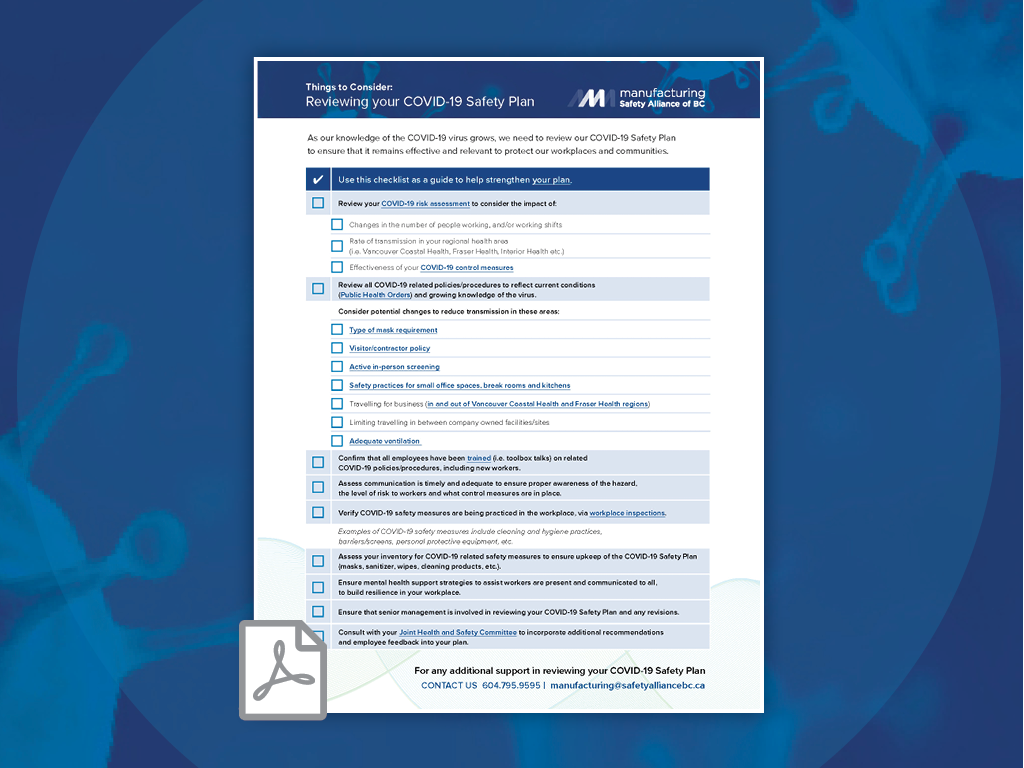
COVID-19 safety planAs our knowledge of the COVID-19 virus grows, we need to review our COVID-19 Safety Plan to ensure that it remains effective and relevant to protect our workplaces and communities. Use this checklist as a guide to help strengthen your plan.
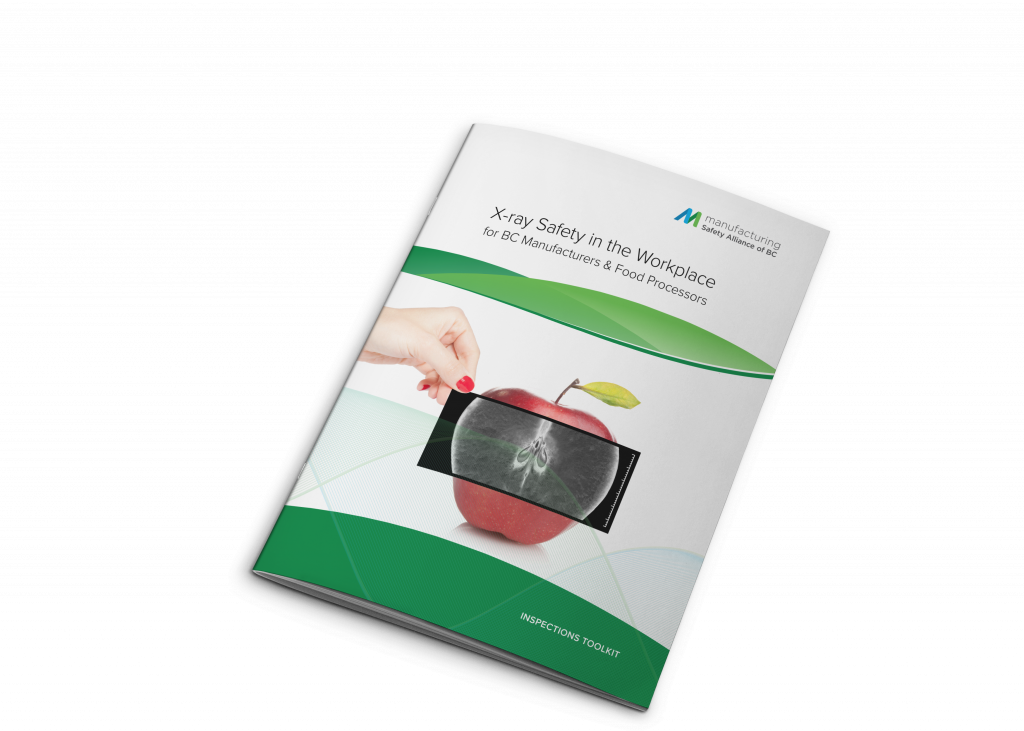
X-ray Inspection ToolkitA collection of checklists to help guide routine x-ray equipment inspections, including a resource for Joint Health and Safety Committees
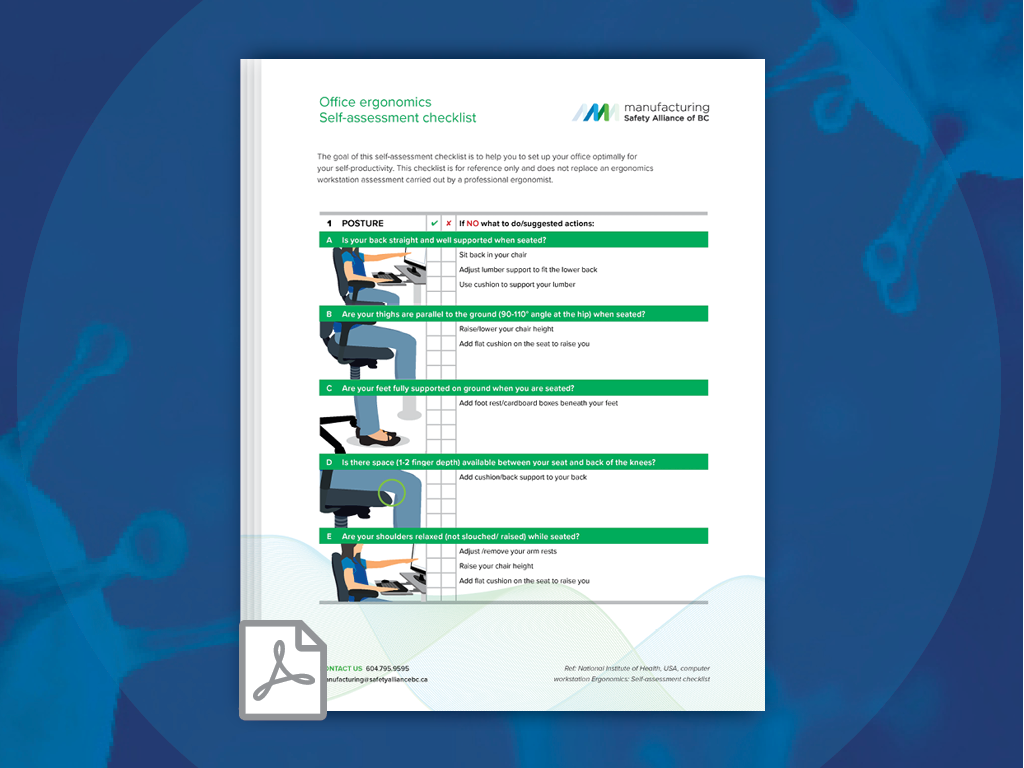
Office ergonomics Self-assessment checklistThe goal of this self-assessment checklist is to help you to set up your office optimally for your self-productivity. This checklist is for reference only and does not replace an ergonomics workstation assessment carried out by a professional ergonomist.
Communicable Disease Prevention PlanThis template is a guide to ensure that you have considered the communicable disease prevention measures to prevent the spread of COVID-19, flu, colds, and other viruses in your workplace. Although you are no longer required to maintain a formal, written plan (unless directed by Public Health), by completing this checklist, you can be confident you have all the information you need to communicate measures with staff, contractors, and visitors.
Conducting a Hazard Assessment after a floodBusinesses impacted by a flood must take steps to ensure their personal safety and their employees, including a hazard assessment. Do not enter a flood-damaged location without first reviewing the risks and putting protections from potential hazards in place.
Vehicle Emergency Kit Checklist | Road Safety At WorkVehicles and drivers need to be prepared to deal with emergencies. A vehicle emergency kit with the supplies, tools, clothing and other contents that match the weather and driving conditions that vehicle will encounter is a great way to be prepared.
From Screening to Control: the New Combustible Dust GuidelinesNew workplace combustible dust regulations take effect in January 2027, and employers across many industries need to understand what the requirements mean for their operations. Whether you manufacture, process, handle, store, or clean materials that generate dust, now is the time to prepare.  In this follow-up to our 3-part Combustible Dust webinar series, join WorkSafeBC for guidance on at the four new proposed guidelines for combustible dust: See what’s in the new guidelines and learn what resources and support are available to help employers meet their obligations. Get clarity on the role of qualified persons and the required assessment process and ask questions about controls.  Build the next steps you may still need to be compliant in January.  Register now to gain the knowledge you need to prepare for the January 2027 compliance deadline and confidently navigate the new requirements.