Covid-19

About Covid-19 and support from the Manufacturing Safety Alliance of BC
Safety Leadership: Investing in safetyThe case for continual workplace improvement At 19, I worked in a grain elevator in southern British Columbia. It was one of my first jobs, and keen to make a good impression, I took the tasks seriously. As a young worker, I was hesitant to ask questions. One day, my manager called me over, along with another young worker, and handed each of us a snow shovel and a paper dust mask. “Go to the basement and fill the grain leg with the mounds of grain, until the room is cleared,” he said, and off we went. I look back today and think about all the things that could have gone wrong. It was like working on a skating rink. We had only one radio, and the dust hazard was very high, with the potential for a multitude of injuries. Today, we work to improve workplace safety through education. We have learned more and know more. Since then, our understanding of workplace hazards has advanced significantly. Technology has advanced, and more safety regulations are in place. However, as I speak with our manufacturing members, many of those same hazards still exist, and changes to operations and machinery have introduced new risks. Safety is about staying curious In 2012, two dust-fuelled explosions hit sawmills in British Columbia’s northern Interior months apart. The community was shocked, the sawmill industry changed overnight, and WorkSafeBC rushed to investigate. What’s one thing those businesses could have done differently? By asking questions and talking to employees about the conditions and environments in which they worked, those companies might have been able to adapt and implement new housekeeping standards to reduce the risk. Our employees, the ones doing the work day-to-day, are often the first to notice when things are wrong. Workers should be the first to challenge us on established practices and existing processes, especially when they no longer serve the goals and intentions within a workplace. A new regulatory environment with the same challenges British Columbia is approaching new dust hazard regulations that will take effect in January 2027. Will these help make workplaces safer? Absolutely. But for owners and leaders of manufacturing facilities, their duty is to streamline production while protecting their teams. Meeting regulatory requirements is only the start. Many businesses maintain compliance. They have fulfilled their legal duty to protect their employees. However, as the world evolves around us, with new technological advances, changing expectations and shifting working conditions, the bar is rising. Equipment that was state-of-the-art 30 to 50 years ago may now be on the verge of retirement. Regulatory compliance does not always reflect changes that impact the work environment. It’s therefore critical to invest in learning. This may mean learning from our successes and failures as we audit our safety management system. We can no longer leave risk assessments and safe work procedures in a binder on the shelf. Through continuous improvement, we need to review and update our systems annually as our businesses change and evolve. Or it may mean learning new models, such as employing a system like 5S to reduce slips, trips and falls. We improve by encouraging the people we lead to ask questions, equipping them to find solutions and adapt, and building a practice of ongoing improvement. “Our employees, the ones doing the work day-to-day, are often the first to notice when things are wrong.” Wayne Arondus Building the culture We can learn from one another in the search for effective strategies to address risk. Ongoing workplace safety exists not only by meeting standards but also through continual improvement and the nurturing of a strong culture of safety. It is easy to fall into patterns of doing things the way they have always been done, but the result can be outdated procedures and practices. Instead, we need to build a system to regularly evaluate policies. We should also solicit feedback from frontline workers. Through review and consultation, we identify new solutions, resources and innovations to keep our businesses nimble, responsive and safe. Continuous improvement goes beyond operational improvements. It starts with equipping our teams with the skills and resources to adapt to a world that is changing rapidly around us. As the demographics and cultural landscape of our businesses shift, we need to lead with clear communication and intentional connection with our people to keep everyone safe. Investing in your team The impact of health and safety is significant. Injuries and incidents not only cause work to stop, but when someone is injured on the job, they strain your remaining team’s capacity and incur replacement and retraining costs. International ORP Foundation President Hans-Horst Konkolewsky notes that health and safety is more than a social or moral concern for business. “Bad working conditions cost firms money,” he says. “Health and safety pays; it really is an investment.” Part of that investment may be in professional development, including targeted technical training and future-focused development through conferences such as the CCOHS Forum or Make It Safe Canada Online. Another key investment is time. By getting to know your team authentically and addressing their concerns, you strengthen your culture, your risk awareness and your ability to adapt. By investing in an ongoing review process, you equip your people and your business to pivot, thereby building resilience to manage future challenges. Together, these actions help you take steps beyond regulatory compliance: strengthening awareness and a safety culture by building a sustainable practice of continual improvement. Editor’s Note: This article by Alliance CEO Wayne Arondus was originally published in OHS Canada October 13, 2026.

Lean 5S Training: Certificate Workshops5S is an inexpensive approach to workplace organization that pays large dividends in safety and employee mental health as it improves productivity for higher profit.
The case for online learning By Ann Conway and Lisa Thibault  Physical distancing and other restrictions to keep employees safe during the pandemic have created new challenges in scheduling on-site and classroom-based training. What has NOT changed is the employer’s responsibility to provide workers with the instruction they need to carry out their work safely.  With face-to-face training on hold in many worksites, companies must find new ways to work. Training providers, including the Manufacturing Safety Alliance of BC, have also had to adapt to design and deliver course formats that allow instructors to connect with learners safely and effectively. COVID-19 requires us to be more flexible in how we train.   As a result, instructors are making changes in the way they design educational and training programs— creating online and hybrid formats to meet learners’ and employers’ changing needs. This shift to integrating face-to-face and online learning is GOOD for students and a benefit to companies.  Students benefit from learner-centred training Online and hybrid learning eliminates the one-size-fits-all approach to worker training. Flexible learning formats help learners retain more of what they learn. According to Brandon Hall’s research, online courses require 40–60 percent less time to learn than traditional classroom training because students can go at their own pace, re-read where necessary, and skip ahead when they grasp a concept quickly. Students can also opt to take courses at the time of day that best suits them. The versatility of virtual training creates more choices to fit the needs of students.  Traditional, in-classroom, instructor-led training typically delivers the entire course in one or two days. Virtual classes can be spread out in shorter blocks over several weeks, allowing students to absorb and apply what they learn before moving onto the next topic. An IBM study concluded that e-learning participants learn nearly five times more material without increasing their time in training.  Online courses require 40–60 percent less time to learn than traditional classroom training Learn where you need it – when you need it There are 29.8 million mobile internet users in Canada (79 percent of Canadians), and more than 40 percent of internet traffic comes from mobile devices. The new online learning platforms allow workers to fit the classroom in the palm of their hands.  Learning online can help overcome the challenges of a physical classroom, such as geography, resource availability, and accessibility. Workers have the flexibility to join and learn wherever they are – at home, at the office, or wherever they study best—and at any time. Digital classrooms also make learning opportunities more viable for rural or remote areas where classroom training is limited or unavailable.  Cost-effective Online, instructor-led training reduces the costs of travel, accommodation, and training facilities. It also reduces the opportunity cost of work absences by minimizing travel time and allowing for a more flexible learning schedule.  It’s also good for the environment. According to Britain’s Open University research, producing and providing e-learning courses consumes, on average, 90 percent less energy and 85 percent less CO2 emissions per student than traditional, face-to-face classes. Online learning also reduces paper use by allowing students to read and refer to the class documents on their devices, rather than relying on costly and wasteful printed packages. Blended learning will continue to grow beyond the pandemic We continue to review lessons learned about students’ experiences with online learning, but research suggests that integrated face-to-face and online learning is good for learners AND employers. Blended learning is the future for training, and we will continue to adapt to meet ever-changing needs.  Manufacturers must continue to create health and safety learning opportunities to keep employees up-to-speed – not only during the pandemic, but beyond.  As remote or distanced workers and teams become part of our new standard, companies that adopt new ways to deliver training will have the advantage. Looking for online training options for your staff? Check our health and safety training catalog for: Self-paced online health and safety courses  Virtual, instructor-led safety classes
Make it Safe MagazineThe digital OHS magazine for manufacturers and food processors In this issue Editorial OHS professionals need skills today to help protect workers from the risks of tomorrow As leaders, we must help shape the professional standards, education, and credentialing of tomorrow’s OHS professionals so that they are equipped to tackle the health and safety challenges of the future.  Learn more about the Alliance’s five-year journey to research the labour market issues that have influenced the health and safety profession and how the resulting OHS Competency Framework will support companies to hire skilled practitioners to help employers created safe and healthy workplaces. Continue Reading Health and safety for small businesses Regardless of size – protecting workers on the job is the right thing to do In a small business, an employer often wears many hats, and one of those hats is protecting their workers from injury and illness in the workplace. Employers, regardless of their size, are obligated to keep their workers safe.   “When you first decide to open a new business, you just don’t know that much about your obligations,” said Wayne Arondus, Chief Operations Officer at the Manufacturing Safety Alliance of BC. “You may not know, for example, that once you employ and pay workers – whether regular, casual or on contract – you must be registered and covered by WorkSafeBC.” CONTINUE READING Congratulations 2021 Safety Excellence Award finalists Pacific Sign Group – Knight Signs Asco Aerospace Canada Great Little Box Company CKF Inc. Molson Coors Monte Creek Winery Gambrinus Malting Fine Choice Foods PFG Glass Industries Ltd. Penticton Foundry Register your team by July 31 to save 50% off the registration fee. From labour shortages to supply disruptions, automation to hybrid work environments, the decisions facing industry today are impacting your people’s health, safety, and performance. It’s time to reset. Learn from industry leaders, global experts, and peers at Make It Safe 2021. Get new perspectives  and learn from the experience of industry leaders and health and safety experts at Make It Safe 2021. REGISTER NOW! SUPER EARLY BIRD DISCOUNT Your 2 cents: Why we need to hear from health and safety experts Disability management can be very complex; balancing effective administration and planning, while compassionately handling the human elements of return-to-work is certainly a challenge. TeksMed Services Inc. recognizes that the difficulties that come with trying to manage both health and safety as well as injury and claim management are often insurmountable with internal resources alone. In an effort to best support the health and safety professionals in the manufacturing industry, we are looking for feedback from authorities in the field – those immersed in the world of health and safety. We want to know the specific challenges you are facing, to best support the manufacturing health and safety specialists such as yourself. We understand that the work environments and nature of the industry bring unique challenges and needs when it comes to disability management. We need your help so that we can best serve those who are struggling with – or are looking to enhance – their current disability management program.  TeksMed wants to collect responses from you, the experts with first hand experience in health and safety within the manufacturing industry. Once you complete the following questions, visit us at the Make it Safe conference in October and we’ll have a gift to thank you for participating! The level of professional commitment offered by the Alliance staff is outstanding. The immediacy, and the depth of their reply to any inquiry I’ve ever made has been excellent—always! 2021 Member Survey Upcoming training and events Upcoming virtual open learning classes Aug 5 | Fundamentals of Thermal Imaging Sep 8 | Hazard ID and Control Sep 8| Joint Health and Safety Committee Sep 22 | Workplace Inspections Seats from $99 Make it Safe Conference + Trade Show October 28 / 29At Make It Safe 2021, join industry experts – in Canada and around the world – to consider the challenges we face today across all industries and learn new strategies to assess the risk. Recognize where business, environment, people, and safety intersect, and discover new approaches and controls. Register your team now for Super Early Bird savings! Partnership opportunities are also available for Make It Safe. Join us as a sponsor or exhibitor to connect with manufacturing leaders and influencers.  Register Here OSSE internal auditor training Sept 22 | 8:30 am – 5 pm This training course is for OSSE-certified companies (large employers) that must have an employee trained as an internal auditor to perform a maintenance audit in 2021. Register Here NEW online course Emergency Response Awareness Online course | $49 Emergency Response Awareness explores different types of emergency situations that you may encounter in manufacturing. Expand your understanding of emergency response with this online course. This self-paced course takes about 90 minutes and can be completed at your own pace.   Register Here OHS Training Bundle Hazard ID + Workplace Inspections + Incident Investigations | $135  SAVE when you purchase three of our most popular online safety training courses together: The OHS Basics Bundle gets you Hazard ID, Incident Investigation, and Workplace Inspections in one convenient package. Enroll now Read more Emergency response planning Why planning for a “someday situation” better equips you to tackle challenges today ​ Earthquakes, forest fires, flooding, and viral outbreaks are just a few of the potential emergency scenarios we face in British Columbia.  While some companies have crafted and rehearsed plans to address emergencies such as these, many in the past two years were forced to build a response plan on the fly in the highly charged early days of the pandemic.  You did it. Your team rose to the challenge. But what toll did it take on your people and your business in those challenging first weeks?  3 tips for protecting your workers from the summer heat FREE RESOURCES 3 tips to beat the summer heat Heat-related illnesses happen when a person heats up faster than they can cool down. Heat stress ranges from mild to severe – and heat stroke can be deadly when it’s not caught early and treated. Heat-related illness IS preventable with the right preparation.     1 Take steps to prevent heat-related illness on the job BEFORE it happens Employers can prepare ahead of hot
Focus on combustible dust | High risk and increased enforcementIn the first half of last year, Dust Safety Science reported that 33 dust explosions and 115 dust fires caused 13 workplace deaths and 66  injuries in many industries. ~ By Jennifer Weibe and Lorne Davies Inspection Initiative Recognizing a widespread lack of awareness of the hazards, and insufficient controls, WorkSafeBC increased inspections of production facilities in 2019 in 27 at-risk manufacturing sector classification units. The results were notable In 30 inspections between February and September, 40 percent were issued prevention orders for ventilation issues contributing to combustible dust risk. Half had no dust collection systems in place at all. Others had invested in systems that failed to meet regulatory requirements. Get the help you need Take steps to protect your workers and operation and get the advice you need before you invest in major upgrades or a new dust collection system. Schedule a scoping to assess your risk level and get unbiased recommendations from a combustible dust specialist. Understand the hazards and steps you can take to control the risk Online course | Combustible Dust Awareness Dust Hazard Analysis course | May 11-12 Schedule combustible dust scoping | 1.604.795.9595 Meet our combustible dust specialist Lorne Davies is a CRSP with a diploma in Civil Engineering Technology from Okanagan College and has continued to expand his OHS knowledge through distance learning courses offered at BCIT and Dalhousie University.   Are you at risk? 27 industry classification units were identified for combustible dust risk —is yours one of them? 711002 Alcoholic Beverage Mfg 711003 Animal Feed or Supplement Mfg or Pkg 711004 Baked Goods Mfg 711006 Candy or Chocolate Mfg 711007 Cereal,Biscuit, Taco-Rice Prod,Pasta Mfg 711008 Coffee,Tea, Herb, or Spice Pkg or Mfg 711012 Food Product Mfg 711013 Fruit or Veg Processing or Product Mfg 711015 Liquid Dairy Product Mfg 711018 Non-Alcohol Bev Mfg or Water Bottling 712001 Aircraft, Automobile, or Truck Assembly 712008 Die Casting or Non-Ferrous Foundry Ops 712013 Ferrous Foundry Ops 712020 Machine Shop 712027 Structural Metal Product Fab 712028 Metal Product Mfg 712034 Sheet Metal Fab 712035 Smelter 713012 Fibreglass Insulation Mfg 713013 Foam Product Mfg 713023 Plastic Film Extrusion & Flex Pkg Mfg 713024 Plastic or Rubber Recycling 713025 Plastic Prod Mfg (thermoform, inj mould) 713028 Plastic Prod Mfg (by profile extrusion) 713029 Post-Extrusion Plastic Product Mfg 714001 Cardboard or Paper Container Mfg 715026 Box Spring or Mattress Mfg * Dust Safety Science 2019 Mid-Year Combustible Dust Incident Report
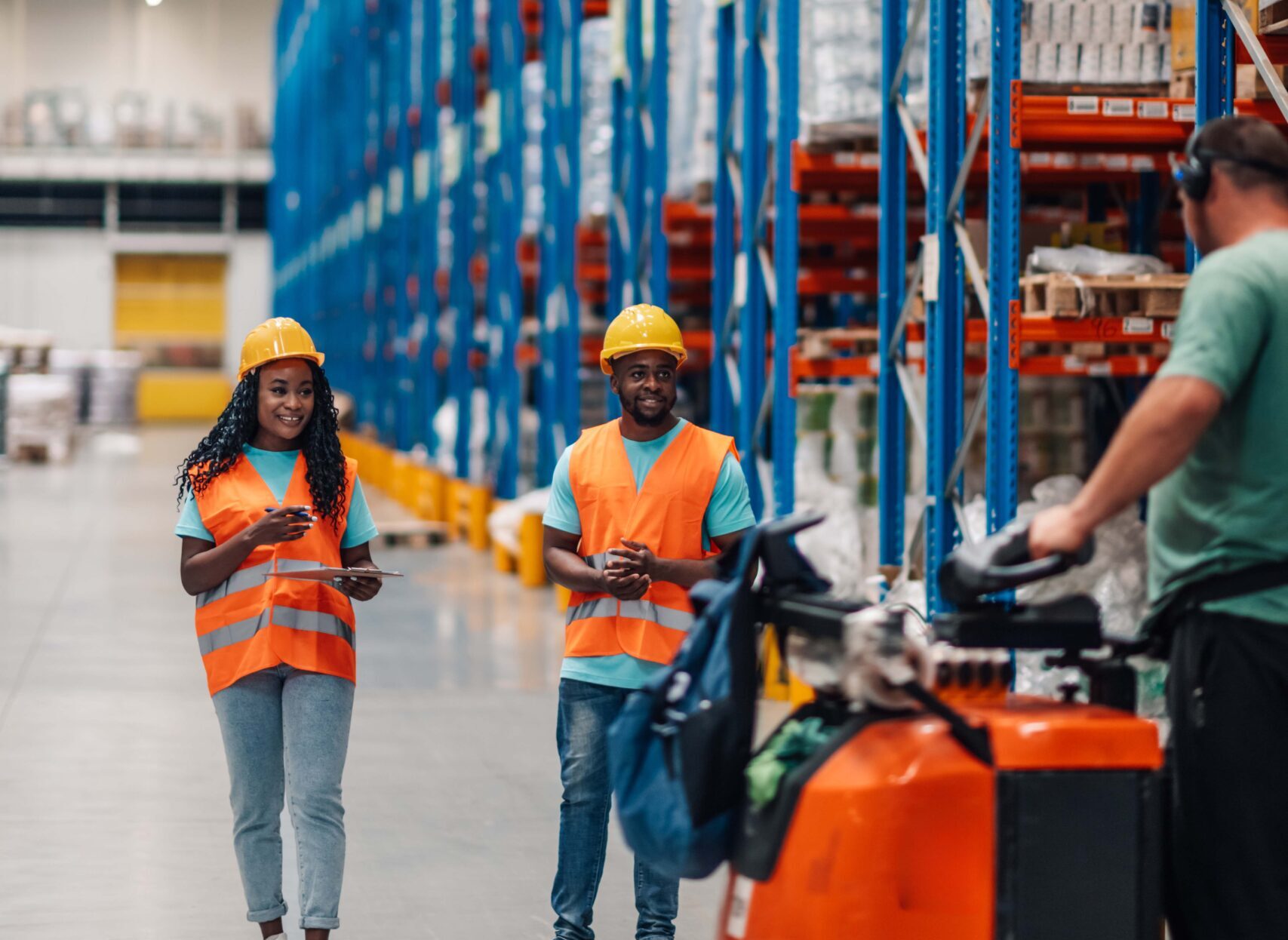
Warehouse SafetyWarehouse Safety is an awareness-level course that helps recognize potential hazards in the warehouse workplace and learn how to prevent risks. It will help learners understand their responsibilities for general safety principles, safe stacking and material storage, pallet safety, industrial storage racking safety, mobile equipment and pedestrian safety, and loading dock safety. 
WorkSafeBC Public Consultations PausedDue to the upcoming provincial election, WorkSafeBC has paused consultations until further notice. WorkSafeBC public consultations related to regulatory and policy development are generally paused during elections, and this pause is procedural. This does not reflect a decision about proposed changes. Feedback received by WorkSafeBC will be reviewed and considered in future. Please visit WorkSafeBC’s website for more information and updates on the public consultation process on amendments and changes to B.C.’s OHS Regulations.
Small Employer Program BuildingAn occupational health and safety (OHS) program is a plan of action designed to prevent accidents and occupational diseases. Small employers with 19 or fewer employees learn the basic principles, concepts and tools necessary to develop and implement an OHS program at their workplace via this online course.
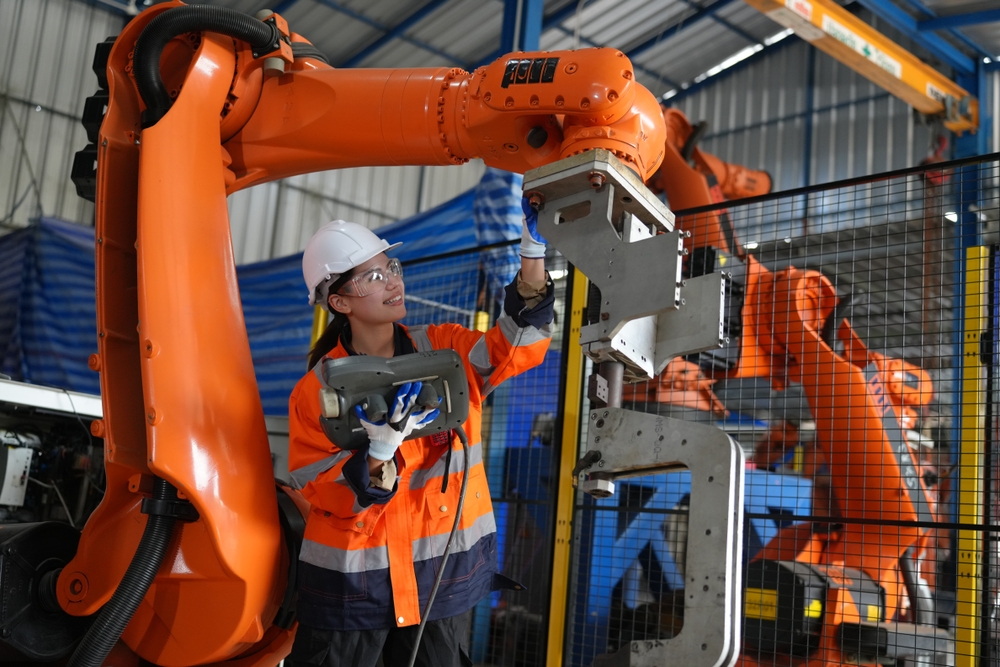
Industrial Robot SafetyThis course is designed to provide learners with the knowledge to recognize, assess, and control hazards related to industrial robot and collaborative applications.