News and Updates

B.C. Vaccine Card – what businesses need to know

Beginning September 13, 2021, proof of vaccination will be required to access certain higher-risk social, recreational, and discretionary events and businesses across B.C. to help protect people from COVID-19. This measure will ensure that businesses are able to stay open and continue to serve their customers while reducing the risk of transmission. The following places require proof of vaccination for entry: Indoor ticketed sporting events Indoor concerts, theatre, dance, and symphony events Licensed restaurants, and restaurants that offer table services (indoor and patio dining) Pubs, bars, and lounges (indoor and patio) Nightclubs, casinos, and movie theatres Gyms, exercise facilities/studios, pools, and recreation facilities Businesses offering indoor group exercise Indoor adult group and team sp9orts for people 22 years old or older Indoor organized events with 50 or more people (e.g. wedding receptions, parties, conferences, and workshops) Indoor organized group recreational classes and activities like pottery, art, and choir Post-secondary on-campus student housing Businesses can verify proof of vaccination with the B.C. Vaccine Card Verifier app (most secure) or visually. The app will be available on Apple and Android devices soon. After verifying proof of vaccination, you must also review ID to ensure that it matches the name on the vaccine card. Youth 12-18 do not require ID. For more information and resources (including posters and guidance documents) on the new BC Vaccine Card for businesses visit https://www2.gov.bc.ca/gov/content/covid-19/vaccine/proof/businesses.

Read More »
OHS Regulation amendments

New Health and Safety Regulatory Changes | Effective September 1, 2021

New regulatory amendments came into effect on September 1, 2021. Please note the changes to these sections of the Occupational Health and Safety (OHS) Regulation. Pesticides (Part 6) Safety headgear (Part 8) High-visibility apparel (Part 8) Mobile equipment (Part 16) Several OHS guidelines have been created or revised in relation to these amendments. You can find these on the OHS Regulation Updates & Decisions page of the WorkSafeBC website. More information on the amendments These resources explain the amendments overall, and provide more detailed information in primers that cover each of the changes: Overview: Changes to the Occupational Health and Safety Regulation, September 2021 Regulatory amendment: A primer on restricted entry intervals for pesticides Regulatory amendment: A primer on safety headgear Regulatory amendment: A primer on high-visibility apparel Regulatory amendment: A primer on mobile equipment For workers who want to better understand the changes in the regulation around safety headgear (Part 8), Safety headgear: Rights and responsibilities explains, and is also available in Punjabi. If you have questions or need advice regarding the impact of these changes for your workplace, we are happy to help. Call 1-604-795-9595 or email us to talk with a Safety Advisor.

Read More »

Preparing for an extended power outage in the plant

In a power outage due to extreme weather or a natural disaster such as a wildfire, you may have to activate your emergency response plan. Ensure that your staff know how to safely evacuate your building(s) in an emergency and where they should muster. Communication in a power outage is critical, but some of your usual communications channels may be interrupted without power. Pay attention to updates from your community and follow any directions from local authorities. Ensure that your staff is informed throughout the incident and is aware of their role and responsibilities. Depending on your worksite, you have additional precautions to take in a power outage. Record, before an outage, any procedures and precautions required for machinery shutdown or other considerations. Power outage checklist BEFORE AN OUTAGE  Have an emergency response plan in place, and make sure your employees are familiar with it.  Stock up on batteries and other essentials in advance (such as fuel for your generator). Have a list that includes:  Equipment that will need to be turned off and how to turn it off in a power outage (follow the startup/shutdown procedure for your equipment) Equipment that does not follow the shutdown plan Protect your data by backing it up regularly (to the cloud, or a removable storage device) Consider having a battery or generator backup system in place for emergency requirements (such as maintaining vital equipment and/or computers). Know how to safely operate any generators or backup power supplies. Do not operate them without proper ventilation. DURING AN OUTAGE Ensure all equipment has been shut down so it can start-up in the required sequence when the power comes back on. Account for each employee. If any employees are missing, inform the supervisor or follow the emergency plan protocol. In an extended power outage, determine at what point you will send employees home. Protect people working outside your building by ensuring that during an outage that all generator equipment is properly connected so that the lines outside the buildings are not energized. Account for any visitors, contractors, or customers on-site. Keep doors closed on all coolers and freezers to prevent product damage or loss. AFTER AN OUTAGE Check equipment and machinery for any damage prior to restarting. Check your backup power supply equipment and refuel the generator for the next event. Confirm that power is stable before resuming operations. Confirm that alarm panels and sensing devices are operating as expected. Confirm that your emergency plan worked as designed. Review any issues that occurred during the event and update your plan accordingly. Review the incident with your Joint Health and Safety Committee and document any corrective actions in the minutes. Some advanced preparation will protect your employees, your equipment, and your business from the impacts of an extended power outage. Learn more about emergency response planning: Emergency Response Awareness Emergency Response Planning

Read More »

B.C. heat wave puts workers at increased risk for heat-related illness

B.C. is bracing for a dangerous, long-duration heat wave. In hot working environments—indoors or out—everyone needs to be alert for the signs and symptoms of heat-related illness and prepare in advance to reduce the risks. Heat-related illnesses happen when a person heats up faster than they can cool down. Symptoms range from mild to severe and can quickly escalate into a medical emergency if untreated—but you can prevent heat-related illness in most cases. Early signs include nausea, light-headedness, fatigue, muscle cramping, and dizziness. Heat-related illness can affect everyone – even those accustomed to working in the heat. If heat exhaustion progresses to heat stroke, it is a medical emergency that, untreated, can lead to death. Prepare NOW to prevent heat-related illness at work EDUCATE AND COMMUNICATE Listen to local weather forecasts and be aware of changes in the weather. Keep workers informed as well. Make workers aware of the signs, symptoms, and prevention of heat stress and heat stroke. Remind them where to get first aid, if needed. Prepare your first aid attendants for heat-related illnesses. Have them review first aid protocols to treat heat-related illnesses and check their inventory of supplies. Provide training in first aid, emergency response, and monitoring. Discuss heat safety precautions with your worker health and safety representative or joint health and safety committee. They can also recommend measures to protect workers and support effective communication with all areas. VENTILATE Provide access to shade and places to cool down – including air-conditioned spaces and cool showers. Provide access to fans for spot cooling, where appropriate, keeping in mind: At temperatures above 30°C, fans alone may not be able to prevent heat-related illness. And at temperatures above 35°C, particularly in dry conditions, fans can cause dehydration, increasing a worker’s risk of heat stress. HYDRATE Provide access to cool drinking water or permit workers to have a water bottle at their workstations. Encourage workers to drink water every 15 minutes and to drink BEFORE they become thirsty. PLAN Avoid scheduling workers outdoors as much as possible to avoid work in direct sunlight. Assign them to be indoors, in shaded areas, or air-conditioned areas. Modify work schedules to include frequent rest periods with water breaks. Consider adjusting hours so that more physically intensive tasks can be done at cooler times of the day—before 10 a.m. or after 4:00 p.m. when possible. Avoid tiring or physically exhausting work outdoors without frequent breaks. DRESS Encourage workers to wear lightweight, light-coloured, loose-fitting clothing. Synthetic fabrics help the skin stay cool through evaporation. Consider offering protective clothing that provides cooling, such as air-cooled suits or ice-cooled vests, where practical. SUN PROTECTION Provide access to broad-spectrum sunscreen with SPF 30 or higher and SPF 30 lip balm. VEHICLES Use sunshades for the windshield and windows to keep the sun and heat out of the vehicle. Remind workers how to cool down their vehicle after it has been sitting in the sun. MONITOR Increase check-ins with workers in hot conditions to monitor heat-related illness signs and make sure they are keeping cool and drinking plenty of water. For employees working outdoors, implement a buddy system and encourage workers to watch each other for symptoms of heat exhaustion. Remember that workers who may be at greater risk (those with medical conditions or physical impairments) may need help to stay cool. KNOW YOUR RISKS Workers with pre-existing conditions such as COPD, asthma, or heart conditions are at greater risk for heat-related illness. Talk to your workers about health issues that may put them at more risk when working in the sun. Download a printable checklist » Download the heat symptoms and first aid infographic » Heat stroke is a medical emergency. If a worker has signs of heat stroke, call 911 or other emergency services immediately.

Read More »
Sick leave written on a sticky note next to a keyboard and pen.

COVID-19 sick leave reimbursement applications: action requested

In order to apply for the B.C. government’s COVID-19 Paid Sick-Leave Reimbursement Program, you need to sign up for WorkSafeBC’s online services. Through this program, which will be available starting June 15, employers can apply to be reimbursed for up to three days of wages paid to workers for COVID-19-related sick leave. How to apply: In order to apply for the B.C. government’s COVID-19 Sick-Leave Reimbursement Program, employers must: Be registered for WorkSafeBC insurance coverage Have signed up for WorkSafeBC’s online services Not have an existing paid sick-leave program The program application will be available on WorkSafeBC’s online-services portal starting June 15. Visit worksafebc.com to learn more. In addition to hosting the sick-leave reimbursement application, WorkSafeBC’s online-services portal for employers offers you an easy and convenient way to report payroll, pay premiums, and access additional tools. Create your online-services account today Watch this short video to learn how to create your online-services account, then visit worksafebc.com to sign up. For technical issues related to setting up your account, please contact WorkSafeBC’s technical support team. For more information For questions about the program, please visit the B.C. government’s COVID-19 Paid Sick-Leave Reimbursement program web page.

Read More »
COVID-19 virus magnified

COVID-19 update from WorkSafeBC

Expedited workplace closures – what employers can expect On April 11, 2021, an order of the provincial health officer (PHO) delegated specific powers to WorkSafeBC prevention officers. The order provides WorkSafeBC prevention officers the ability to serve a 10-day closure order on an employer with COVID-19 transmission when directed so by a medical health officer. WorkSafeBC’s role is well defined and narrow in scope, with no role in deciding which workplaces will be served with a closure order. Questions regarding the closure order itself are referred to the Health Authority Medical Health Officer. When WorkSafeBC prevention officers deliver a closure order to affected workplaces, they will also help the employer understand their need to review their COVID-19 safety plan and make any necessary changes during the closure period. WorkSafeBC will be available to provide guidance around reviewing and updating COVID-19 safety plans. Then, once the workplace has re-opened, WorkSafeBC will conduct an inspection to review the employer’s COVID-19 safety plan and ensure the employer is effectively implementing measures to prevent the transmission of COVID-19 in the workplace. Findings from COVID-19 inspections Throughout the pandemic, WorkSafeBC has been engaging employers to ensure that protocols identified in their COVID-19 safety plan have been effectively reviewed, updated, and implemented, and that exposure to COVID-19 is being effectively managed in the workplace. This includes issuing an inspection report with orders in cases where improvements to COVID-19 safety plans and protocols are required. They recently analyzed 1,600 COVID-19 orders to identify the controls most frequently identified as needing improvement. They include: Physical Distancing Ensure physical distance of 2 metres is maintained between workers and others whenever possible, especially in shared spaces; consider changing the layout of workspaces to enable physical distancing in all work and break areas. Provide physical barriers such as Plexiglas if physical distancing between workers and customers cannot be maintained. Signage Post signage that reminds workers of the controls in place, including occupancy limits, handwashing practices, health-check requirements, and entrance restrictions. Use physical queue controls, such as crowd-control cones or floor markers to regulate traffic and physical distancing. Policies and Protocols Develop and post a COVID-19 safety plan that identifies and addresses the risks in all areas of the workplace. Ensure there are posted policies for employer and visitor daily health screening. Training Ensure health and safety information and training is provided in the required languages so it can be understood by everyone at the workplace. Supervision and Monitoring Communicate safety programs and policies clearly to workers through information-sharing, instruction, training, and supervision to ensure the controls in place are being followed. Facilities Provide adequate hand-washing facilities on site for all workers. Place alcohol-based hand sanitizer at key areas of your workplace (near pay stations, in break rooms, etc.). Personal Protective Equipment Make sure appropriate masks are available and being used properly for the work being carried out. For more information about all aspects of a COVID-19 safety plan, please refer to the following resources: Reviewing and updating your COVID-19 safety plan: A guide for employers COVID-19 safety plan video series: Five steps to developing your COVID-19 safety plan Reporting COVID-19 exposure claims As a reminder, employers and workers should continue to report a workplace injury or disease during this time, including those involving a work-related exposure to COVID-19. Contracting COVID-19 in the workplace may be considered a work-related occupational disease, and affected staff members have the right to make a claim and could be eligible for health care and wage-loss benefits. For information on when and how to report a COVID-19 illness to WorkSafeBC, please visit the Claims COVID-19 pages on worksafebc.com for information for both workers and employers.

Read More »

Lucie-Ann Pineau joins the Manufacturing Safety Alliance of BC as new Chief Financial Officer

The Alliance is pleased to welcome our new chief financial officer, Lucie-Ann Pineau. Lucie-Ann will join us on May 26, 2021, and will work alongside the chief of operations and chief executive officer to deliver our important mandate. Lucie-Ann is an experienced CPA/CMA with over 25 years of experience in business strategy, corporate administration and audit. She has a diverse education portfolio including a Bachelor of Education, Masters in Philosophy, and Business Administration. She holds several professional certifications in addition to her accountancy qualifications: project management (PMP), internal auditing (CIA), and internal data security (CISO). Lucie-Ann brings a wealth of knowledge and expertise to our organization. Lucie-Ann was the chief financial officer for Conseil des écoles fransaskoises de la Saskatchewan in Regina before moving to B.C. Prior to this role, she was the senior director, audit and consulting at Grant Thornton In Montréal. She also held IT specialist and technology roles with the Department of Foreign Affairs and International Trade Canada and Mastercard International. Specializing in the not-for-profit sector, Lucie-Ann has experience providing support in management services, finance and operations (IT, HR, facilities) audits, financial reporting, process optimization, major capital projects, and enterprise risk management.

Read More »

NAOSH Week 2021—New Training & Webinars

In 1997, NAOSH Week (North American Occupational Safety and Health Week) was launched to highlight the importance of preventing injury and illness in the workplace. Join in our NAOSH Week events for 2021. New, virtual classes! In celebration of NAOSH Week, the Alliance has launched two, new virtual classes: Industrial Storage Racking – May 5 | 9:00 a.m. – 11:00 a.m. | $99 Your storage racking system can influence productivity across your entire logistics chain. This workshop will cover identifying storage rack hazards, best practices for effective installations, maintenance and repair to prevent injuries, and more. Emergency Response Planning – May 5, 2:00 p.m. – 4:00 p.m. | $99 Learn the importance of emergency response, identify potential emergencies for your workplace, and explore the elements of an emergency response plan. Register for the classes above, or any of these other excellent classes starting during NAOSH Week: Hazard ID – May 4 | 9:00 a.m. – 11:00 a.m. | $99 To achieve a safe workplace, employers and workers need to be aware of current hazards and possible hazards as soon as possible. Learn how to identify hazards, assess their risk, and select control measures for those hazards. Thermal Imaging – May 6 | 9:00 a.m. – 11:00 a.m. | $99 Working around any machinery or live electrical work is inherently dangerous and the Manufacturing Safety Alliance of BC highly recommends this course as a basic requirement for anyone already conducting or planning to conduct thermal surveys. Take advantage of the introductory pricing during NAOSH Week. “Ask Me Anything” – our health and safety experts answer your questions Check out our “Ask Me Anything” series with Alliance health and safety specialists. Register for one, or all, of these upcoming sessions for free. Ask me anything about incident investigation –  May 7th | 1:00 p.m. – 2:00 p.m. Join Lorne Davies, safety advisor and combustible dust specialist to talk about incident investigation and more! Ask me anything about air quality – May 4th | 11:00 a.m. – 2:00 p.m. *cough, cough* What’s that smell? Join industrial hygienist, Jasmine Kalsi to ask her anything about air quality in the workplace. Ask me anything about ergonomics – May 5th | 11:00 a.m. – 12:00 p.m. Ergonomics specialist, Dr. Era Poddar, is here to answer your questions about ergonomics in the workplace. We look forward to seeing you at these FREE sessions and hope we can answer your questions about workplace health and safety. These are LIVE sessions—audience engagement is strongly encouraged. You will have the opportunity to ask questions through chat.

Read More »

Provincial Health Officer order delegates specific powers of the Public Health Act to WorkSafeBC prevention officers

Today, the Provincial Health Officer announced new orders delegating specific powers of the Public Health Act to WorkSafeBC prevention officers. Under the new order, WorkSafeBC prevention officers are limited to serving a closure order to a business with a known COVID-19 outbreak. The closure order will be in effect for a period of 10 days, or more, as prescribed by the health authorities Medical Health Officer on a case-by-case basis and when directed to do so by a Provincial Medical Health Officer. WorkSafeBC is providing this support to help the Province manage the recent increase in COVID-19 cases. When serving the closure order, the WorkSafeBC prevention officer will discuss the employer’s COVID-19 safety plan and provide the employer with the “Reviewing and updating your COVID-19 safety plan” resource guide. The prevention officer will advise the employer to review and make improvements to their COVID-19 safety plan. When the workplace reopens, the prevention officer will conduct an inspection to review the employer’s updated COVID-19 safety plan to ensure the employer is effectively implementing measures to prevent the transmission of COVID-19 in the workplace. The increase in COVID-19 cases across BC is an important reminder that we all have a shared responsibility to remain vigilant in supporting workplace health and safety during the pandemic. The Alliance is available to support BC manufacturers and food processors to strengthen their COVID-19 safety plans and keep their workers safe. Call our OHS Support line to get immediate support from a safety advisor – 604.795.9595 or visit safetyalliancebc.ca/covid-19 for resources and tools, webinars and online training, and updated expert answers to frequently asked questions about the virus and recommended workplace controls. Resources: Checklist: Review your COVID-19 Safety Plan Request a call from a safety advisor Provincial Health Officer orders and notices WorkSafeBC COVID-19 website for resources and information on keeping workplaces safe, including information on the PHO order and inspections and consultations during the COVID-19 pandemic

Read More »

New Circuit Breaker Business Relief Grant announced

Minister Ravi Kahlon has announced the new Circuit Breaker Business Relief Grant which will provide $50 million to help the 14,000 restaurants, bars, breweries, wineries, gyms and fitness centres affected by the March 30, 2021, Provincial Health Orders. The new Circuit Breaker Business Relief Grant will provide affected businesses up to $10,000 in one-time funding to help with expenses like rent, insurance, employee wages, maintenance and utilities. The grant can also help cover unexpected costs that resulted from the restrictions, such as the purchase of perishable goods. The individual amount a business receives will be based on the number of employees. The grant is open to eligible businesses of any size that have been in operation since February 1, 2021. Applications are expected to open the week of April 12, 2021, and will close on June 4, 2021, or until the funds are dispersed. We invite you to share this information with your networks and encourage interested businesses to visit www.gov.bc.ca/business-relief to register to receive an email notification when applications open. Read the full news release >

Read More »

COVID-19 vaccine news for BC food processors and manufacturers

Since mid-March, more than 20,000 essential workers at Alliance member companies have received their first immunizations. That initial priority campaign ended in late March. The health regions are waiting for direction from the province to determine whether, when, and how they may be able to resume priority immunization of production workers. We will continue to update you here as we learn more.

Read More »

A pandemic good news story: immunizing BC’s essential manufacturing workers

“This is not a joke.” Wayne Arondus, Chief Operating Officer at the Manufacturing Safety Alliance of BC, started calling members about an opportunity to immunize their staff against COVID-19, but he encountered some skepticism. “Some of the people I talked to thought I was pranking them!” said Wayne. “A couple even called the office to confirm I worked here.” When Vancouver Coastal Health contacted the Alliance looking for support in getting the word out to manufacturers about an opportunity to immunize their staff, we jumped at the chance. “We have been advocating for priority access to the vaccines for front-line, essential workers since the vaccines first arrived in British Columbia,” said Lisa McGuire, CEO and President of the Manufacturing Safety Alliance. “We know there are ongoing challenges to manage COVID-19 outbreaks in food processing and other manufacturing settings. Immunization offers the best protection for workers, businesses, and their families from COVID-19, and seeing this opportunity become available for food processing workers has been really rewarding.” “I wanted to thank you for the support of VCH in vaccinating my team today at the Triumph location. We are very grateful for all your front-line nurses and staff who were courteous, knowledgeable and very upbeat today. We look forward to completing the second vaccine as soon as the schedules permit!” With additional vaccines approved for use in Canada, BC adjusted its Immunization Plan to allocate COVISHIELD/SSI vaccine to protect workers in industries facing obstacles managing COVID-19 risks. In some workplaces, the full use of barriers or personal protective equipment is complex. In many food processing facilities, workers’ proximity makes them more at risk for transmission and COVID-19 outbreaks and clusters. “Excellent news, thank you so much! We will absolutely encourage all staff to take advantage of this opportunity.” COVISHIELD/SII is a viral vector-based vaccine that uses a harmless virus as a delivery system. Two doses of the vaccine allow a person to build a robust immune response without exposure to the COVID-19 virus. Canada has a comprehensive approval process for new vaccines and closely monitors all vaccines for safety, efficacy, and side-effects. COVID-19 immunization provides the best hope for an end to this global pandemic and a return to everyday life. And, while we continue to rely on managing the risk of transmission through tools like barriers, physical distancing, personal protective equipment, and other controls, we are looking forward to a time when we can resume “business as usual.” “The  information from the Manufacturing Safety Alliance of BC and Vancouver Coastal Health has been very clear. The clinic staff were very kind and courteous – all of our staff felt well taken care of, and Vancouver Coastal has been very responsive to my questions. Overall, we at WCRL feel privileged to be permitted to participate in the clinic and we appreciate all of your hard work in getting this initiative up and off the ground!” “We are encouraging everyone eligible to get the vaccine as soon as it is available to them,” said Dr. Michael Schwandt, Medical Health Officer with Vancouver Coastal Health. “Immunity through vaccination helps you fight the virus if you’re exposed and can help protect the people around you.” We are continuing to work with Vancouver Coastal Health to support the ongoing vaccination clinics and have offered our support to the other BC Health Authorities. “Thanks for leading this for manufacturing. We have a lot of happy people in our building here today.” “Ensuring the safety of our critical food-processing workers—and by extension, their families and neighbours—is something we will continue to advocate and work to protect,” promises Lisa McGuire. “Getting the vaccine to as many front-line workers as possible will help control the potential for outbreaks in these critical businesses and surrounding communities.”

Read More »
The case for online learning By Ann Conway and Lisa Thibault  Physical distancing and other restrictions to keep employees safe during the pandemic have created new challenges in scheduling on-site and classroom-based training. What has NOT changed is the employer’s responsibility to provide workers with the instruction they need to carry out their work safely.  With face-to-face training on hold in many worksites, companies must find new ways to work. Training providers, including the Manufacturing Safety Alliance of BC, have also had to adapt to design and deliver course formats that allow instructors to connect with learners safely and effectively. COVID-19 requires us to be more flexible in how we train.   As a result, instructors are making changes in the way they design educational and training programs— creating online and hybrid formats to meet learners’ and employers’ changing needs. This shift to integrating face-to-face and online learning is GOOD for students and a benefit to companies.  Students benefit from learner-centred training Online and hybrid learning eliminates the one-size-fits-all approach to worker training. Flexible learning formats help learners retain more of what they learn. According to Brandon Hall’s research, online courses require 40–60 percent less time to learn than traditional classroom training because students can go at their own pace, re-read where necessary, and skip ahead when they grasp a concept quickly. Students can also opt to take courses at the time of day that best suits them. The versatility of virtual training creates more choices to fit the needs of students.  Traditional, in-classroom, instructor-led training typically delivers the entire course in one or two days. Virtual classes can be spread out in shorter blocks over several weeks, allowing students to absorb and apply what they learn before moving onto the next topic. An IBM study concluded that e-learning participants learn nearly five times more material without increasing their time in training.  Online courses require 40–60 percent less time to learn than traditional classroom training Learn where you need it – when you need it There are 29.8 million mobile internet users in Canada (79 percent of Canadians), and more than 40 percent of internet traffic comes from mobile devices. The new online learning platforms allow workers to fit the classroom in the palm of their hands.  Learning online can help overcome the challenges of a physical classroom, such as geography, resource availability, and accessibility. Workers have the flexibility to join and learn wherever they are – at home, at the office, or wherever they study best—and at any time. Digital classrooms also make learning opportunities more viable for rural or remote areas where classroom training is limited or unavailable.  Cost-effective Online, instructor-led training reduces the costs of travel, accommodation, and training facilities. It also reduces the opportunity cost of work absences by minimizing travel time and allowing for a more flexible learning schedule.  It’s also good for the environment. According to Britain’s Open University research, producing and providing e-learning courses consumes, on average, 90 percent less energy and 85 percent less CO2 emissions per student than traditional, face-to-face classes. Online learning also reduces paper use by allowing students to read and refer to the class documents on their devices, rather than relying on costly and wasteful printed packages. Blended learning will continue to grow beyond the pandemic We continue to review lessons learned about students’ experiences with online learning, but research suggests that integrated face-to-face and online learning is good for learners AND employers. Blended learning is the future for training, and we will continue to adapt to meet ever-changing needs.  Manufacturers must continue to create health and safety learning opportunities to keep employees up-to-speed – not only during the pandemic, but beyond.  As remote or distanced workers and teams become part of our new standard, companies that adopt new ways to deliver training will have the advantage. Looking for online training options for your staff? Check our health and safety training catalog for: Self-paced online health and safety courses  Virtual, instructor-led safety classes
Make it Safe MagazineThe digital OHS magazine for manufacturers and food processors In this issue Editorial OHS professionals need skills today to help protect workers from the risks of tomorrow As leaders, we must help shape the professional standards, education, and credentialing of tomorrow’s OHS professionals so that they are equipped to tackle the health and safety challenges of the future.  Learn more about the Alliance’s five-year journey to research the labour market issues that have influenced the health and safety profession and how the resulting OHS Competency Framework will support companies to hire skilled practitioners to help employers created safe and healthy workplaces. Continue Reading Health and safety for small businesses Regardless of size – protecting workers on the job is the right thing to do In a small business, an employer often wears many hats, and one of those hats is protecting their workers from injury and illness in the workplace. Employers, regardless of their size, are obligated to keep their workers safe.   “When you first decide to open a new business, you just don’t know that much about your obligations,” said Wayne Arondus, Chief Operations Officer at the Manufacturing Safety Alliance of BC. “You may not know, for example, that once you employ and pay workers – whether regular, casual or on contract – you must be registered and covered by WorkSafeBC.” CONTINUE READING Congratulations 2021 Safety Excellence Award finalists Pacific Sign Group – Knight Signs Asco Aerospace Canada Great Little Box Company CKF Inc. Molson Coors Monte Creek Winery Gambrinus Malting Fine Choice Foods PFG Glass Industries Ltd. Penticton Foundry Register your team by July 31 to save 50% off the registration fee. From labour shortages to supply disruptions, automation to hybrid work environments, the decisions facing industry today are impacting your people’s health, safety, and performance. It’s time to reset. Learn from industry leaders, global experts, and peers at Make It Safe 2021. Get new perspectives  and learn from the experience of industry leaders and health and safety experts at Make It Safe 2021. REGISTER NOW! SUPER EARLY BIRD DISCOUNT Your 2 cents: Why we need to hear from health and safety experts Disability management can be very complex; balancing effective administration and planning, while compassionately handling the human elements of return-to-work is certainly a challenge. TeksMed Services Inc. recognizes that the difficulties that come with trying to manage both health and safety as well as injury and claim management are often insurmountable with internal resources alone. In an effort to best support the health and safety professionals in the manufacturing industry, we are looking for feedback from authorities in the field – those immersed in the world of health and safety. We want to know the specific challenges you are facing, to best support the manufacturing health and safety specialists such as yourself. We understand that the work environments and nature of the industry bring unique challenges and needs when it comes to disability management. We need your help so that we can best serve those who are struggling with – or are looking to enhance – their current disability management program.  TeksMed wants to collect responses from you, the experts with first hand experience in health and safety within the manufacturing industry. Once you complete the following questions, visit us at the Make it Safe conference in October and we’ll have a gift to thank you for participating! The level of professional commitment offered by the Alliance staff is outstanding. The immediacy, and the depth of their reply to any inquiry I’ve ever made has been excellent—always! 2021 Member Survey Upcoming training and events Upcoming virtual open learning classes Aug 5 | Fundamentals of Thermal Imaging Sep 8 | Hazard ID and Control Sep 8| Joint Health and Safety Committee Sep 22 | Workplace Inspections Seats from $99 Make it Safe Conference + Trade Show October 28 / 29At Make It Safe 2021, join industry experts – in Canada and around the world – to consider the challenges we face today across all industries and learn new strategies to assess the risk. Recognize where business, environment, people, and safety intersect, and discover new approaches and controls. Register your team now for Super Early Bird savings! Partnership opportunities are also available for Make It Safe. Join us as a sponsor or exhibitor to connect with manufacturing leaders and influencers.  Register Here OSSE internal auditor training Sept 22 | 8:30 am – 5 pm This training course is for OSSE-certified companies (large employers) that must have an employee trained as an internal auditor to perform a maintenance audit in 2021. Register Here NEW online course Emergency Response Awareness Online course | $49 Emergency Response Awareness explores different types of emergency situations that you may encounter in manufacturing. Expand your understanding of emergency response with this online course. This self-paced course takes about 90 minutes and can be completed at your own pace.   Register Here OHS Training Bundle Hazard ID + Workplace Inspections + Incident Investigations | $135  SAVE when you purchase three of our most popular online safety training courses together: The OHS Basics Bundle gets you Hazard ID, Incident Investigation, and Workplace Inspections in one convenient package. Enroll now Read more Emergency response planning Why planning for a “someday situation” better equips you to tackle challenges today ​ Earthquakes, forest fires, flooding, and viral outbreaks are just a few of the potential emergency scenarios we face in British Columbia.  While some companies have crafted and rehearsed plans to address emergencies such as these, many in the past two years were forced to build a response plan on the fly in the highly charged early days of the pandemic.  You did it. Your team rose to the challenge. But what toll did it take on your people and your business in those challenging first weeks?  3 tips for protecting your workers from the summer heat FREE RESOURCES 3 tips to beat the summer heat Heat-related illnesses happen when a person heats up faster than they can cool down. Heat stress ranges from mild to severe – and heat stroke can be deadly when it’s not caught early and treated. Heat-related illness IS preventable with the right preparation.     1 Take steps to prevent heat-related illness on the job BEFORE it happens Employers can prepare ahead of hot
Focus on combustible dust | High risk and increased enforcementIn the first half of last year, Dust Safety Science reported that 33 dust explosions and 115 dust fires caused 13 workplace deaths and 66  injuries in many industries. ~ By Jennifer Weibe and Lorne Davies Inspection Initiative Recognizing a widespread lack of awareness of the hazards, and insufficient controls, WorkSafeBC increased inspections of production facilities in 2019 in 27 at-risk manufacturing sector classification units. The results were notable In 30 inspections between February and September, 40 percent were issued prevention orders for ventilation issues contributing to combustible dust risk. Half had no dust collection systems in place at all. Others had invested in systems that failed to meet regulatory requirements. Get the help you need Take steps to protect your workers and operation and get the advice you need before you invest in major upgrades or a new dust collection system. Schedule a scoping to assess your risk level and get unbiased recommendations from a combustible dust specialist. Understand the hazards and steps you can take to control the risk Online course | Combustible Dust Awareness Dust Hazard Analysis course | May 11-12 Schedule combustible dust scoping | 1.604.795.9595 Meet our combustible dust specialist Lorne Davies is a CRSP with a diploma in Civil Engineering Technology from Okanagan College and has continued to expand his OHS knowledge through distance learning courses offered at BCIT and Dalhousie University.   Are you at risk? 27 industry classification units were identified for combustible dust risk —is yours one of them? 711002 Alcoholic Beverage Mfg 711003 Animal Feed or Supplement Mfg or Pkg 711004 Baked Goods Mfg 711006 Candy or Chocolate Mfg 711007 Cereal,Biscuit, Taco-Rice Prod,Pasta Mfg 711008 Coffee,Tea, Herb, or Spice Pkg or Mfg 711012 Food Product Mfg 711013 Fruit or Veg Processing or Product Mfg 711015 Liquid Dairy Product Mfg 711018 Non-Alcohol Bev Mfg or Water Bottling 712001 Aircraft, Automobile, or Truck Assembly 712008 Die Casting or Non-Ferrous Foundry Ops 712013 Ferrous Foundry Ops 712020 Machine Shop 712027 Structural Metal Product Fab 712028 Metal Product Mfg 712034 Sheet Metal Fab 712035 Smelter 713012 Fibreglass Insulation Mfg 713013 Foam Product Mfg 713023 Plastic Film Extrusion & Flex Pkg Mfg 713024 Plastic or Rubber Recycling 713025 Plastic Prod Mfg (thermoform, inj mould) 713028 Plastic Prod Mfg (by profile extrusion) 713029 Post-Extrusion Plastic Product Mfg 714001 Cardboard or Paper Container Mfg 715026 Box Spring or Mattress Mfg * Dust Safety Science 2019 Mid-Year Combustible Dust Incident Report
Warehouse SafetyWarehouse Safety is an awareness-level course that helps recognize potential hazards in the warehouse workplace and learn how to prevent risks. It will help learners understand their responsibilities for general safety principles, safe stacking and material storage, pallet safety, industrial storage racking safety, mobile equipment and pedestrian safety, and loading dock safety. 
WorkSafeBC Public Consultations PausedDue to the upcoming provincial election, WorkSafeBC has paused consultations until further notice. WorkSafeBC public consultations related to regulatory and policy development are generally paused during elections, and this pause is procedural. This does not reflect a decision about proposed changes. Feedback received by WorkSafeBC will be reviewed and considered in future. Please visit WorkSafeBC’s website for more information and updates on the public consultation process on amendments and changes to B.C.’s OHS Regulations.
Small Employer Program BuildingAn occupational health and safety (OHS) program is a plan of action designed to prevent accidents and occupational diseases. Small employers with 19 or fewer employees learn the basic principles, concepts and tools necessary to develop and implement an OHS program at their workplace via this online course.
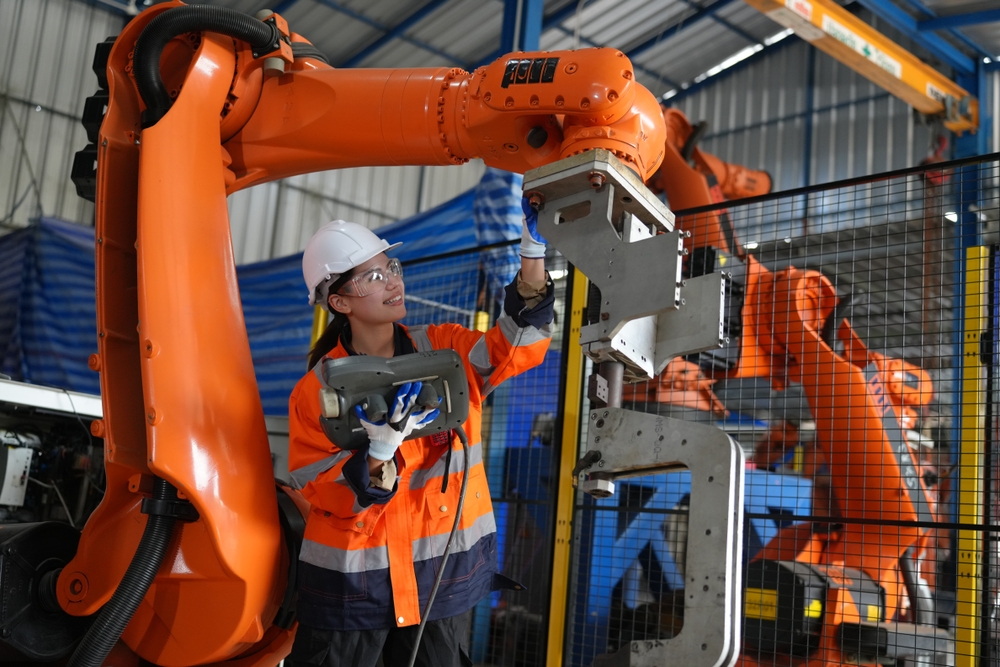
Industrial Robot SafetyThis course is designed to provide learners with the knowledge to recognize, assess, and control hazards related to industrial robot and collaborative applications.   
Industrial Storage RackingYour storage racking system can influence productivity throughout the entire logistics chain. Steel storage racks are common equipment in industries such as distribution centres, warehouses, manufacturing plants, and the storage area of retail operations. This workshop for managers, supervisors, inspection teams, and workers, identifies inherent hazards associated with storage racks and provides best practices for effective installation, maintenance and repair to prevent incidents, injuries, lost time and unforeseen expenses.
Joint Health and Safety CommitteeThe 8-hour Joint Health and Safety Committees (JHSC) training is required for all new members of a JHSC and new Worker Representatives. It is applicable for any B.C. employer in any industry.