
Newsletter

cybersecurity

Growing your business online in the “new normal” comes with new risks

As companies adjust their business to address the challenges of the global pandemic, many have expanded their online operations and moved to virtual workspaces for employees. Growing your business online has advantages in the “new normal” but also comes with new risks. “Cyber insurance is relatively new but has roots in privacy liability insurance which has been around for several years,” said Rob Selnes, one of the cyber leaders at CapriCMW. “More and more companies are doing business online, but the threats of doing business this way have changed significantly over the last few years” The technology that businesses use is savvier – but so are the criminals. The risks of cyber attacks are real and the expenses incurred following an attack are generally not covered by commercial general liability insurance. The average cost of a data breach in Canada is now approximately $6 million, and while many of the cyber attacks we hear about happen to major organizations, cybercriminals don’t care how large your business is. The impact of a cyber attack on a small business can be devastating. Approximately 70 percent of cybersecurity incidents are the result of employee error or a lack of IT security training, such as: Phishing attacks Sharing passwords or having weak (or non-existent) passwords Inappropriate use of IT resources Physical loss of devices (such as phones or laptops) Improper data sharing Introducing viruses and malware to company systems The average cost of a data breach in Canada is now $6.11 million. These types of incidents can lead to privacy breaches, data and financial theft, unauthorized access to business systems and ransomware attacks. Many employers don’t appreciate how sophisticated cybercriminals are,” said Selnes. “And the pandemic has presented new opportunities to these criminals. Many companies have also had to suddenly adapt corporate IT systems to accommodate work-from-home options which haven’t generally been thoughtfully planned out.” Companies also have less time to think about cybersecurity issues while dealing with the ongoing challenges of COVID-19. Even those with great IT teams can only do so much and many companies don’t have a dedicated IT team at all. The Cyber Liability and Privacy Liability insurance offered by CapriCMW covers not only the liability side of a cyber attack (theft of information and privacy breaches) – but also picks up legal costs and provable damages. Additionally, these policies cover businesses for the costs associated with loss of service, ransomware, and stolen funds. However, Selnes points out that a key benefit of these policies is their ability to provide the policyholder with immediate access to crisis management and cybersecurity experts. Cyber attacks are usually sudden and highly time-sensitive, so immediate access to dedicated legal, IT security and public relations expertise provides companies with critical support when they need it most. For the cost of this insurance, companies basically have a broad team of specialists available on retainer to keep their business running before, during and after a cyber attack. Success in the “new normal” means working with your insurer to protect your business, data, and clients. For more information about Cyber Liability and Privacy Insurance contact CapriCMW Insurance Services Ltd.

Read More »
Interrupt the Spread

Interrupt the spread

Change the way you work to minimize the risk of COVID-19 spread between workers. Adjust the way you work to protect employees Many employers are reducing risk by enabling administrative workers to work from home. Staggering start times, shifts and breaks, and forming “work pods” or teams that work together exclusively also help limit the potential exposure if an employee does become ill. Physical distancing To support and enforce physical distancing in the plant, manufacturers are using multiple strategies. Floor markers, barriers, and directional arrows help visually reinforce the required distance between workers and manage traffic flow. Restricting occupancy in lunch and break rooms, locker rooms, and other common areas also make it easier for workers to maintain distance. Similarly, employers are limiting the risk by holding meetings outside or by video when possible and limiting or prohibiting outside visitors. Redesign your workplace to prevent the spread Where it is possible to reconfigure the production floor or limit occupancy in tight areas, some manufacturers have been able to support physical distancing. Many, however, lack the space or resources to retrofit all their production areas. Where physical distancing is not possible, physical barriers have become an important line of defence. Acrylic panels separating workstations, often used in combination with masks or face shields, provide a physical barrier against virus-containing droplets. If it is not practicable to eliminate work that causes workers to be within two metres of each other, keep the encroachment on physical distancing as brief as possible, through planning the work task and providing instructions to workers—or place physical barriers between workers. Consult your Joint Health and Safety Committee or Worker Representative to identify risks and effective controls for your workplace. “At the plant level, one of our biggest challenges is managing communication—mainly driven by people’s anxiety. What we try to do is really explain why we do things first.” —Craig Ogilvie, Conagra Foods Canada, in a May webinar on COVID-19 Best Practices Q. What if staff have to work within two metres of each other? A. If it is not practicable to eliminate work that causes workers to be within two metres of each other, keep the encroachment on physical distancing as brief as possible, through planning the work task and providing instructions to workers—or place physical barriers between workers. Consult your Joint Health and Safety Committee or Worker Representative to identify risks and effective controls for your workplace. 3 COVID-19 tips In a June webinar, we invited environmental health scientist Dr. Angela Eykelbosh of the BC Centre for Disease Control and the National Collaborating Centre for Environmental Health to share her research on the design and implementation of physical barriers in areas where adequate physical distancing is not possible. Protect the breathing zone The primary job of these barriers, she noted, is to “protect the breathing zone of the worker—defined roughly by a radius of 30 centimetres or 12 inches around that person’s nose in every direction. Aim to shield the breathing zone of the tallest and smallest people that will be both standing or seated for most of the time” in a particular work zone. Secure barriers Ensure barriers are secured to avoid creating a tripping hazard or allowing a ceiling-suspended barrier to “waft” air from one worker’s breathing zone into someone else’s. Keep barriers clean Use a material that is easy to clean—and clean daily (or more frequently if the job requires a worker to touch it frequently—and avoid very tall barriers that impede ventilation in the room. In addition, Dr. Eykelbosh notes, it’s important to consider how barrier may restrict or adversely affect the pace, posture, and movement of workers on the production line. Workplace design to prevent injuries Click the image to watch the webinar with Alliance ergonomist Dr. Era Poddar and Dr. Angela Eykelbosh.

Read More »
Keep C19 Out

Keep COVID-19 out of the plant

Prevent COVID-19 from entering your facility Monitor and screen anyone entering your facility, and support workers to stay home when feeling ill Educate workers to stay home if they are experiencing any symptoms and reinforce that no worker should be at work if they are ill. Make sure that all workers understand your policy, recognize the symptoms, and know how to complete an online self-assessment or contact HealthLinkBC. Support sick workers to stay home Recognize that employees may have anxiety related to sick time and staying home when feeling ill. Develop effective policies, and communicate often to support workers. Review your sick leave policies to ensure they are flexible and support public health guidance around sick time. Ensure that employees are aware of the support available to them if they have to stay home sick or self-isolate. In addition to the Canada Emergency Response Benefit, workers can take advantage of extra time to file income tax, mortgage payment deferral, and the BC Emergency Benefit for Workers. Screening of employees, contractors, and any visitor to your workplace for symptoms of COVID-19 (fever, cough, shortness of breath, congestion). Conduct health checks in a way that provides sufficient physical distancing between the screener and the employee. To prevent stigma, ensure that employee health checks provide privacy, and keep employee health information confidential. Plan ahead for scenarios you may experience in your workplace Example Action Worker has traveled outside of Canada but is NOT experiencing symptoms of COVID-19 The returning employee must: Comply with the Quarantine Act and submit a BC self-isolation plan Follow company policy regarding isolation after travel Follow company policy regarding isolation after travel Follow company policy regarding isolation after travel Notify their supervisor of their return and keep in regular contact If no symptoms appear during the self-isolation period, arrangements to return to work may begin Worker is living with someone who has tested positive for COVID-19 The worker will be asked to self-isolate at home by their local health authority. Employee will notify employer and maintain contact until the worker can complete isolation and testing protocols and ensure they are fit for returning to work. Worker has tested positive for COVID-19 If a worker has COVID-19, the health authority will investigate, trace contacts, and guide the employer through the essential steps to minimize the risk of exposure and spread of the virus to others at the worksite. If additional measures need to be taken in your workplace, public health will inform you. Isolate the worker Contain the exposure Disinfect common tools and surfaces that were exposed to the infected worker Communicate clearly with employees that may have had contact with the exposure and report as required Enhance the measures you already have in place to prevent the spread of infection If no symptoms appear during the self-isolation period, arrangements to return to work may begin Worker tested positive for COVID-19 but has been cleared by health authorities to return-to-work Two negative tests are required before a worker can be considered recovered. COVID-19 may cause other complications that may make it unsafe for the employee’s own health to return to work, even after they are cleared. The health authority and the worker’s health care provider may provide additional protocols for a safe return-to-work.

Read More »

Working safety in the new normal

Since the beginning of the COVID-19 pandemic, manufacturers and food processors have had to adapt quickly to continue essential operations under strange, new rules. Months later, we’re still learning about the virus, and questions persist about the best controls and policies to keep people safe at work. In this special edition of Make It Safe Magazine, we address those questions with review of the critical steps to safeguard our people and workplaces. When the crisis happens and when you’re really tested, your values and priorities are tested. How companies have dealt with this will have an impact on their long-term culture, and so if they’ve missed this as an opportunity to show leadership and establish trust, then that’s going to hurt those companies well into the future. And if you’ve done the opposite, then you’ll benefit from that more. Having established that trust in our safety culture for the last number of years really benefited us. We were able to respond very quickly and collaboratively with our teams.” — Nick Reiach, Great Little Box Company in a June executive panel on Leading the Recovery Leadership has always been a critical factor in workplace health and safety, but the COVID-19 pandemic has compelled leaders to think differently about how we lead – and how we protect our people at work. As we continue to assess the COVID-19 risks in the workplace, ongoing outbreaks and the potential for a second wave remain a threat to business continuity. Now is the time for leaders to demonstrate a commitment to safety through our actions and decisions and to reflect on the experiences of employees working through an unprecedented global crisis. The impact on employees’ mental wellness cannot be ignored. Our teams are managing challenges they have never faced before: Working remotely and using technology and practices that they are unfamiliar with Working with their children at home Staffing shortages resulting from co-workers who are sick, quarantined, or anxious about coming to work Social isolation or separation from extended family General concerns about living through a pandemic As leaders, we are being called to reimagine our workplaces through a health and safety lens. To help workers make choices that protect their health, the health of their peers, and the health of your business. To communicate clearly and often about the steps we are taking to protect employees, addressing concerns quickly and with empathy. We lead through meaningful two-way communications with workers, by continually checking in with our teams—and by guarding own physical health and resilience so we can be there for our people. COVID-19 has shone a spotlight on health and safety at work and created an opportunity for leaders to build engagement with employees by demonstrating our commitment to their safety and wellbeing. A safe and healthy workforce sustains our businesses and supply chain—and is becoming an increasingly vital factor in recruiting and retaining staff. Where we focus our energy in a crisis and how we navigate through the challenges along the way defines our leadership, values and brand. How are you leading the way to a safe and sustainable future for your business?

Read More »
Plan Your Emergency Response

Plan your exposure response

How will you handle a COVID-19 positive case or potential outbreak? Plan ahead to minimize the risk to your employees and your business It’s easy to lose sight of how to treat people in times of stress, and how you treat them through those really, really challenging times will dictate how you get through future challenges. ~ Chris Inkster, Freeport Industries in a June executive panel on Leading the Recovery How are you supporting your team to operate effectively under your COVID-19 safety plan? Ensuring employees understand how to work effectively and protect each other is critical to navigating the new normal work environment.Communicate clearly and often with employees and encourage empathy, recognizing the impact of a heightened state of anxiety and uncertainty on your team. Recognizing that workers are experiencing a mix of anxiety and concerns about the virus, their families, and their jobs, manufacturers and food processors around the province have responded with new mental health supports. Regular check-ins to see how workers are feeling are a great start.  If staff are eligible for an employee assistance program, make sure they know what support is available and how to get it. Beyond that, encouraging staff to eat well, get regular exercise and good sleep—and showing you care for their wellness—can go a long way towards easing anxiety and building a culture of resilience and trust. With the basic controls becoming old hat in many essential businesses, complacency looms as a new risk. Consider your strategy to maintain healthy and safety vigilance against COVID-19 in the workplace. Incorporate inspection processes than include observations of behaviors. And design communications that include two-way dialogue with workers and effective processes for collecting and addressing feedback. Review your plans and consider options to strengthen controls before the flu season. Include your COVID-19 safety plan and related information as a standing item on the Joint Health and Safety Committee agenda. Make time to review local and global trends to determine where more effective controls may be needed. Our last toolbox talk was about crisis fatigue… People are starting to lose some patience as they are yearning to get back to a new normal, so we have to keep being diligent—amping up our commitment and our diligence in preparation for what could be a second wave. ~ Nick Reiach, Great Little Box Company in a June executive panel on Leading the Recovery Q. What should we do if an employee has tested positive for COVID-19? A. If an employee tests positive for COVID-19, your local health authority will work with you and the employee to trace contacts with your staff. Typically, “contacts” include anyone who has spent more than 15 minutes within 2 metres of the sick employee. If possible, provide a list of who was at work with the employee to public health. Take steps to identify the extent of potential exposure at your worksite and ensure that proper infection control cleaning protocols are implemented to clean and sterilize and potentially contaminated work areas. Communicate clearly and report if required.

Read More »
Daiya Worker Rep

Worker Representative Excellence | Sharleen Dean, Daiya Foods

A business culture that values health and safety requires leadership on the floor as well as in the c-suite. The 2019 JHSC Excellence individual award recognized this quality in Daiya Foods lead hand and worker representative Sharleen Dean, who demonstrates leadership by example and models safe working practices. ~By Jennifer Wiebe A leading producer of plant-based foods, Daiya Foods products are available in 25,000 grocery stores across North America and internationally. In her role as Lead Hand at Daiya, Dean has been an employee spokesperson for her department and shift for the past four years. Employees routinely approach her with health and safety-related questions. “Sharleen is always willing to lend a helping hand to work with new hires to introduce them and transition them to the safety system at Daiya.” notes HR Manager Jaspreet Mann. That system begins with a new hire checklist and detailed review of Standard Operating Procedures. “Sharleen will take the time to ensure all employees are aware of who the first aid attendant is on shift,” Mann adds, “and what procedures employees need to follow in the event of an injury.” An advocate for the company’s stretching program, Dean assists and monitors team members to ensure that they are doing their stretches correctly. In addition, she actively monitors team members to identify any signs of early MSI symptoms so that team members receive support through education and awareness before symptoms get worse. As part of the Joint Health and Safety Committee (JHSC) since its inception, Dean has worked with both management and team members to foster and improve the safety culture. Along with Dean’s regular work responsibilities, Mann notes that she also proactively participates in workplace safety duties such as inspections and hazard identification. Dean took the time to develop a daily inspection checklist that is now used at the start of each shift to ensure all equipment is set up safely. Sharleen is always willing to lend a helping hand to work with new hires to introduce them and transition them to the safety system at Daiya. “Sharleen contacts the right department when there are immediate safety concerns on the production floor,” Mann adds. “She provides detailed notes and photos to support her concerns.

Read More »

Events Calendar | Upcoming 2020 OHS Events

March 2 | 8:30 am – 2:30 pm | X-RAY SAFETY IN THE WORKPLACE WORKSHOP Douglas College | Coquitlam Campus March 4 – June 24 | 8:00 am – 12:00 pm | RESULTS-CENTRED LEADERSHIP (FOR MANAGERS) CATALYST TRAINING | Eaglequest Golf at Coyote Creek, Surrey, BC March 13 | 8:30 am – 5:00 pm | OPEN LEARNING | JOINT HEALTH AND SAFETY Manufacturing Safety Alliance of BC Office, Kelowna, BC April 2 | 8:30 am – 12:30 pm | OPEN LEARNING | INDUSTRIAL STORAGE RACKING SURREY CITY HALL | Surrey, BC April 2 | 8:30 am – 4:30 pm | OSSE INTERNAL AUDITOR TRAINING COWORK CHILLIWACK | 8465 Harvard Place, Chilliwack, BC April 6-7 | WESTERN CONFERENCE ON SAFETY HYATT REGENCY VANCOUVER | Visit us on the trade show floor! April 23 | 2020 SAFETY PINNACLE AWARDS GALA RIVERWAY CLUBHOUSE | Burnaby, BC May 4-9 | Safety and Health Week (NAOSH) | OPEN LEARNING CLASSES  $99 member pricing for everyone! Multiple classes in 4 cities | Surrey • Abbotsford • Kelowna • Victoria Enroll one employee or several in affordable full-day health and safety courses at convenient locations Joint Health & Safety Committee Industrial Storage Racking & Workplace Inspections Hazard ID & Workplace Inspections Thermal Imaging Machine Safeguarding Ergonomics 101 X-ray Safety May 11-12 | DUST HAZARD ANALYSIS BEST WESTERN PLUS | Kelowna, BC May 26-29 | CMSE CERTIFIED MACHINERY SAFETY EXPERT PROGRAM Langley, BC May 27-30 | SKILLS CANADA NATIONAL COMPETITION May 28 | FOODPRO WEST SHERATON VANCOUVER WALL CENTER | Visit us on the trade show floor! June 10-11 | 9:00 am – 5:00 pm | OSSE INTERNAL AUDITOR TRAINING COWORK CHILLIWACK | 8465 Harvard Place, Chilliwack, BC June 18 | 8:30 am – 4:30 pm | OPEN LEARNING | INCIDENT INVESTIGATION UNIVERSITY OF THE FRASER VALLEY | Abbotsford Campus September 9-10 | 9:00 am – 5:00 pm | OSSE INTERNAL AUDITOR TRAINING COWORK CHILLIWACK | 8465 Harvard Place, Chilliwack, BC October 29-30 | MAKE IT SAFE CONFERENCE + TRADE SHOW SHERATON GUILDFORD | Surrey, BC

Read More »

Alliance Associate Members

Companies and organizations that share our vision of safer BC workplaces but who aren’t manufacturers themselves can join as Associate Members. Companies and organizations that share our vision of safer BC workplaces but who aren’t manufacturers themselves can join as Associate Members. Welcome New Associate Members Pilz Automation Safety Canada L.P. is a world leader in safety automation. We offer complete automation solutions based around safety for all industries, from sensor and actuator technology to controls. Besides the products Pilz offers a wide range of safety engineering, consulting and safety training, including the CMSE® – Certified Machinery Safety Expert program, licensed by TUV North. The next training will take place in Langley, BC from May 26 to 29.   Cesco specializes in providing solutions for automated electrical “motor control” components and peripherals such as; motor control centres, drives, programmable logic controllers, operator interface panels, contact ores, terminal blocks, transformers, wiring duct, relays, timers as well as everything in between.   Grizzly Force is evolving the way that employees and employers connect – empowering growth without barriers. Grizzly Force is Canada’s premier digital, full-service employment solution, helping companies find on-demand workers throughout the greater Vancouver area.

Read More »

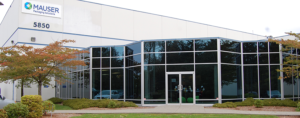
Engineering MSI Prevention | Ergonomics and job-rotation pathway to safety at Mauser Packaging

Langley’s Mauser Packaging Solutions earned the Occupational Standard of Excellence certification in September, with a score of 95 per cent on the robust OSSE audit. ~written by Jennifer Wiebe Mauser’s 160-employee Langley facility is part of a multinational corporation with 11,000 employees. The Langley packaging plant produces plastic pails and specialty containers for fruit packers, grocery, and other purposes, and serves buyers in Canada and the Western United States. In an interview with the Aldergrove Star following the company’s OSSE certificate presentation, Plant Manager Matthew Ralph said, “I’ve been a manager through two major accidents in my career, and I think when you’ve been through that, you really gain an understanding. You never want to see anybody get hurt.” “I’ve been a manager through two major accidents in my career, and I think when you’ve been through that, you really gain an understanding. You never want to see anybody get hurt.” North American Occupational Safety and Health (NAOSH) Week initiatives over the past six years have been a key factor in the development of Mauser’s health and safety culture. Mauser uses heat maps to track and trend concerns in their facilities. This allows them to be able to see areas of concerns visually. Highly visible action plans and safety boards keep health and safety top of mind and help keep staff informed. With repetitive work, workers are more prone to aches and strains. As is true in many production environments, Safety Coordinator Maureen Johnson notes that aches and strains like this are the cause of the majority of time-loss claims at the company. Repetitive motion can increase the risk of injury even when employees are doing the job correctly. In response, Mauser introduced a stretching program and hired a consultant who comes in to do guided stretching sessions with all shifts. The instructor offers one-on-one discussions and recommendations for stretches to help with specific discomfort and pain. The company has also mapped out a walking path for stretching and exercising on breaks around the outside of their building. In September, the company’s ergonomics committee added a job-rotation system which shifts machine operators from station to station every hour or two. The company also leverages an instructor’s ergonomics expertise to do task-specific ergonomic assessments and evaluate the frequency of rotation required to avoid repetitive motion injuries. In recognition of this work, last April, Mauser received the Safety Innovator Award for workplace wellness. At the Pinnacle Safety Awards Gala this April, Mauser will receive the Topaz Award in recognition of the company’s 2019 OSSE certification. Related: Ergonomics Assessments Ergonomics 101 – Fundamentals

Read More »

New online learning centre coming this spring

If shift work, distance, time, or budget are challenges for your employee training, eLearning is the solution. The new Online Learning Centre is easy to navigate to find the training you need fast! NEW: Branded eLearning Portals— Manage your team’s training online. If you’re responsible for managing employee training, you know the challenges of purchasing and scheduling training courses and tracking completion. With a custom-branded eLearning portal, you can schedule and track training for your whole team from a convenient online interface. Choose from our full selection of online training courses. You can even add your own courses to manage your full onboarding and training process in one place Easily track employees’ progress through online courses. Report on course completion to ensure and document compliance for safety Manage all your training in a branded online learner interface— with your company colours, logos, and course images Find out more | safetyalliancebc.ca/eLearning

Read More »
Committee nominations formBoard Member Profile and Application The Manufacturing Safety Alliance of BC is seeking new members to join its volunteer Board of Directors for a two-year term beginning in May 2027. Jump to Application Form Profile  About the Role The Manufacturing Safety Alliance of BC (the Alliance) recruits passionate and dedicated individuals to volunteer their time to serve on the Board of Directors. We are catalysts for improving workplace health and safety within the BC manufacturing industry. Our leading-edge health and safety programs, services, and training equip companies to make a difference in the lives of their employees – every day. As the industry-funded, not-for-profit health and safety association for BC manufacturers and food processors, the Alliance provides training and advisory support to more than 3,000 businesses each year. Alliance services help employers build systems to keep workers healthy and safe. The Alliance is currently seeking three Board Directors to provide strategic leadership. We evaluate candidates based on the knowledge, skills and experience they bring to the Board. In our commitment to reflecting community diversity on our Board, we encourage applicants from equity-deserving groups to apply (including Indigenous persons, people of colour, persons with disabilities, persons of minority sexual orientations, gender identities, and others.)  We are looking for senior executive management candidates with board governance experience and credentials: Senior manufacturing leader in finance or operations   Direct manufacturing experience 10+ years in a senior capacity   Position Summary Working collaboratively with the CEO, the Board of Directors is responsible for setting the strategic direction and providing fiduciary oversight and accountability for performance in achieving the vision and mission of the organization. Expectations  The Alliance evaluates candidates based on the knowledge, skills, and experience they bring to the Board. In our commitment to reflecting community diversity on our Board, we encourage applicants from equity-deserving groups to apply (including Indigenous persons, people of colour, persons with disabilities, of minority sexual orientations, gender identities, and others).  The general responsibilities of a Board Member include:  Continued commitment to improve health and safety for Alliance member organizations;  Attendance and active engagement at Board meetings (typically every second month);  Coming prepared, including reading minutes, agenda, and CEO and committee reports, to discuss issues and vote on motions at board meetings;  Being an active participant in the organization’s strategic planning process;   Providing input to board committee work in areas of governance, leadership, strategic planning, legal, HR, communications, government, finance, or risk management;  Ensuring the financial health, effective leadership and health and safety compliance of the organization;  Building relationships and networks with stakeholders;  Participating in an annual evaluation process to enhance Board performance;  Supporting efforts to increase the profile of the Alliance in the manufacturing industry in BC;  Identifying and disclosing real or perceived conflicts of interest;  Contributing to a collegial environment that works towards consensus; and  Exhibiting a solutions-focused attitude based on collaboration, dedication, and inclusion.  Skills and Experience Ability to contribute to setting strategic direction and determining long terms goals for the organization;  Experience in monitoring and/or improving organizational performance;  Demonstrated ability to assess, manage, and mitigate risk;  Adept strategic thinker who brings an analytical mindset to decision making;  Connected in business and community through personal and/or professional networks;  Possessing leadership qualities including energy, optimism, insightfulness, team-orientation, and focus on outcomes; and  Previous Board experience is essential.  Applications If you share our passion for partnering to ensure BC workers go home safe and well to their families and our vision for supporting a sustainable manufacturing sector through ethical people practices, we want to hear from you. To express interest, please apply online (below) before 5 PM on February 25, 2026. Additional intake rounds may follow. Application Form
Home | Manufacturing Safety Alliance of BC – Expert Health and Safety SupportHealth and safety training and support for B.C. business BC small businesses have a 29% higher risk of serious workplace injuries. Consider the impact. Take steps to keep your people safe. SIGN UP FOR FREE SAFETY TRAINING Your health and safety advisors. The Manufacturing Safety Alliance of BC is the not-for-profit health and safety association for British Columbia’s manufacturing and food processing sector.  Call us today to schedule safety training for your safety rep/ committee or supervisors. Ask a safety advisor for confidential support with regulatory compliance or your safety management program. Request a specialized assessment or safety consulting. Get in touch Membership for expert advice and training. The industry-driven Manufacturing Safety Alliance offers health and safety advice and training for more than 3,000 British Columbia manufacturers and food processors with services and training, in 47 industries—from foundries to wineries, trailer manufacturers to meat processing plants. Members have access to a team of health and safety advisors and experts on call. We can help you ensure compliance. Build your health and safety knowledge. Strengthen your safety culture. You may already be eligible for member benefits | Find out  Explore the benefits of membership Become a member Safety advisors and experts on call. A safety needs assessment is an onsite review of your health and safety program by a professional safety advisor. It’s a free service for Alliance members. Get help with a plan to build or improve your workplace health and safety management system. We can also support your safety team with specialized training and assessments—for ergonomics, air, noise, machine safeguarding, industrial storage racking, confined spaces, and combustible dust. Beyond physical safety, call us for leadership coaching and psychological safety training. Schedule a Needs Analysis Safety Program Support Specialized Safety Assessments and Consulting View all safety services The Alliance has been an incredible resource for us over the past year. With the help of [our advisor], our program has flourished in so many ways. I look forward to years of collaboration with the Alliance. — Member Survey — Read more testimonials Health and safety training. Training is critical to maintain a safe workplace. We can help you with the training you need—in the classroom or online.  Joint Health & Safety Committee Certificate Training  (eLearning) Self-paced eLearning Courses Virtual Safety Classes View all training Safety resources and templates. We have a series of free resources in online and printable formats to help you build your health and safety management system.  12 Months of Safety – Topics, crew talks, and resources Health and Safety Webinars Toolbox talks View all resources Specialized safety services and training. Qualified safety consultants for assessments, coaching, and specialized training. Industrial hygiene services Air quality assessments and fit testing Noise surveys and testing Combustible dust hazard assessments Other specialized safety services Confined space risk assessments and training Ergonomics and human factors–Industrial and office Industrial storage racking safety training Machine safeguarding Leadership and psychological safety services Workplace mental health and wellness consulting Leadership training and coaching Respectful workplace training and coaching View all specialized services COR certification to the Occupational Safety Standard of Excellence (OSSE). The Occupational Safety Standard of Excellence (OSSE, or COR for manufacturing) is BC’s solution for manufacturers and food processors who are ready to build and certify a comprehensive health and safety management system. Your WorkSafeBC Certifying Partner, the Manufacturing Safety Alliance of BC can help you achieve significant financial rewards. OSSE certified companies consistently out-perform their peers—with 21% fewer injuries than the sector average. Register now to get started! Steps to OSSE (COR) certification Call us when you are ready to Make it Safe Contact Us
Media KitManufacturing Safety Alliance of BC Media Kit 2026 Make It Safe Youth Challenge Media Release Photos Emerson Wang receives $2,500 cheque for first place at the 2026 Make It Safe Youth Challenge. (Left to Right: Emerson Wang, Robin Schooley (WorkSafeBC), Shirley Wilson (Abbotsford School District Board Chair), Aakash Rao (NGen), Wayne Arondus (MSABC), Kim Cooper (Youth Culture Inc.) Manufacturing Safety Alliance of BC CEO Wayne Arondus gifting the $2,000 earmarked for David Thompson Secondary School to Emerson Wang for his project. (Left to Right: Wayne Arondus (MSABC), Emerson Wang, and Emerson’s mother, June Liang); Photo credit: Emily Hui David Thompson Secondary School’s Science Club. Photo credit: Emily Hui Manufacturing Safety Alliance of BC CEO Wayne Arondus presenting a cheque to Prince of Wales Secondary. (Left to Right: Wayne Arondus (CEO), Andrew Leong (Prince of Wales), Wailea Lu, Lena Sivucha, Sangeeta Kauldher (Prince of Wales))
Respirator Face Seal Amendments Now in EffectPart 8 of the Occupational Health and Safety Regulation related to respirator face seals has been amended, effective November 6, 2026, to clarify existing requirements and use consistent terminology for tight-fitting respirators. The amendments do not change existing health and safety requirements for using these respirators. What is Changed in the Regulation The amended Regulation uses the term “tight-fitting respirator” for a respirator that needs an effective seal with the face to work properly. It also clarifies that nothing can interfere with the seal or proper functioning of a tight-fitting respirator. What this means for employers Protection from respiratory hazards starts with assessing the exposure and applying the hierarchy of controls. Employers should consider more effective controls before relying on respiratory protection. Where respirators are used as a control, employers must continue to: Choose an appropriate respirator for the worker, the task, and the circumstances Ensure workers receive fit testing before using a tight-fitting respirator, at least annually, and whenever changes could affect fit Ensure workers perform a user seal check before each use Prevent anything from interfering with the seal or proper functioning of a tight-fitting respirator Consult with respirator users before issuing a respirator and consider medical conditions or other limitations that may affect safe selection and use In practice, this means that the employer must implement and enforce procedures that help maintain an effective respirator seal, ensuring that workers: Keep hair, jewellery, clothing, personal items, personal protective equipment, and anything else from interfering with the seal or proper functioning of the respirator.  Reassess the risk if there are significant weight changes, dental work, or facial injury, as a new fit test may be needed.  Wear and adjust the respirator in the same manner as during fit testing. Examples of appropriate procedures include: User seal checks before each use. Workers using tight-fitting respirators must perform a positive- or negative-pressure user seal check before each use, as required by section 8.41 of the Regulation.  Inspection procedures. Employers must have processes to ensure respirators are inspected before use.  Supervision and monitoring. Supervisors must verify that workers are wearing respirators correctly, following established procedures, and maintaining seal conditions while performing their work.  Maintaining fit-test conditions. Employers must ensure that the conditions that allowed the respirator to pass the fit test are maintained. What this means for workers What this means for workers Workers who use tight-fitting respirators will continue to have the same responsibilities under the Regulation. Workers must continue to: Participate in fit testing as required Perform user seal checks before each use Use respiratory protection as instructed Tell their employer if a change or condition may affect the seal or proper functioning of the respirator Additional Regulatory Information New OHS guideline G8.39: Effective seal for tight-fitting respirators This guideline gives workplaces more detailed information about effective seals for tight-fitting respirators and helps them understand the requirements.  Regulatory Links OHS guideline G8.39: Effective seal for tight-fitting respirators OHS Regulation Part 8: Face seal OHS guideline G8.33-1: Respiratory protection — selection OHS guideline G8.33(2)-1: Approved respirators OHS guideline G8.39: Effective seal for tight-fitting respirators Board of Directors decision: Part 8, face seals Strikethrough version of the approved amendment More Information Air Quality Assessments For Respirator Fit Testing, contact Services Air Quality Resources and Training Respiratory Protection Resources and Training WorkSafeBC Respiratory Protection Resources
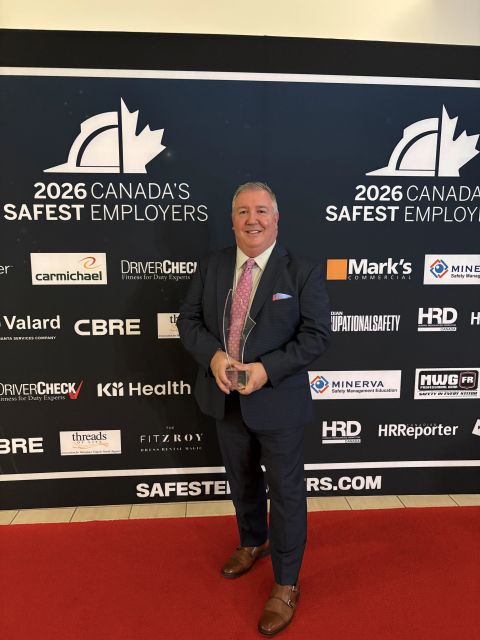
Canada’s Safest Employers Awards Names Wayne Arondus CEO of the YearAt the 2026 Canada’s Safest Employer Awards in Toronto, Manufacturing Safety Alliance of BC CEO Wayne Arondus was honoured as CEO of the year for his dedication leadership and commitment to the vision of safer workplaces across British Columbia and beyond. “Shocked, but truly honoured. It’s fantastic,” Arondus said, in an interview with Canadian Occupational Safety, “crediting a three-year push by his team to ‘make BC the safest place to live, work, and play.’ “We support all the food and beverage manufacturers in the province of BC, and it was crazy, but we just stayed focused on helping industry,” Arondus said. “This is a nice capstone to that work we’ve done.” The Workplace Safety and Prevention Services Award for CEO of the Year recognizes a CEO who drives successful safety strategies from the top by putting people first and championing innovative safety values. The Manufacturing Safety Alliance of BC is a not-for-profit that supports more than 3,000 member manufacturing and food processing businesses across B.C. The Alliance supports manufacturers with safety guidance, training, and specialized support. “Our manufacturing sector is facing headwinds,” Arondus says. “We are here to help them protect the health and safety of their people even in the most challenging environments,” he explains. “I’m incredibly proud of the work we’re doing together,” he adds, “That we’re seeing more companies come to us for help, and coming back again, is a sign that our support is making an impact.” Under Arondus’ leadership, the organization’s Make It Safe event and webinar series has expanded to educate and connect thousands in Vancouver Island, the Okanagan, northern B.C., the south coast—and outside the province via industry partnerships and the country’s largest virtual safety conference, Make It Safe Canada: Online. After a long career in senior manufacturing leadership role, giving back is a consistent tenet for Arondus—helping bridge the gap between what schools teach and what industry needs as an instructor at BCIT’s School of Business for 20 years, serving as Vice Chair on the Advisory Board for the BC & Yukon Chapter of Make-A-Wish-Canada, and as a past president of the CMHA, Vancouver-Fraser Board of Directors. Arondus is an alumnus of the 8th Governor General’s Leadership Conference of Canada.The finalist list for the 2026 CEO of the Year was deep, with 12 finalist awardees considered for the award: Derek Kelleher – Flanagan Foodservice Don Cooper – Innovator Industrial Services Jon DiMascio – QM LP Ken Robuck – EnergySolutions Canada Marc Breault – Paradox Access Solutions Matthew Bryan – SLB Canada Ltd. Mercy Lawluvi – Immigrant Women Services Ottawa Neil Waugh – NPL Canada Tim Hollander – Toyota Motor Manufacturing Canada Inc Wayne Arondus – Manufacturing Safety Alliance of BC Yves Tremblay – Pronghorn Controls
Business Continuity Planning for Manufacturers: A Five-Part SeriesWhen an accident halts production, the decisions that follow affect more than the next shift. Employees and their loved ones need clear, timely information, clients need to know whether they can count on deliveries, and managers need to determine what it will take to resume operations safely. Navacord (previously Acera Insurance), a proud partner of the Manufacturing Safety Alliance of BC, has produced a five-part video series exploring how manufacturers can prepare for these decisions. In under eight minutes, Navacord’s Rob Shearar and Mark Lee examine what happens during a disruption and in its aftermath, how to build and communicate a post-disruption plan, and how to put a business continuity plan into action. In the first video, Why Planning for a Crisis Now Saves You Later, Rob and Mark discuss the first hours of a crisis and how little time you have to weigh unfamiliar options. Planning is essential and allows your team a starting point in response to a fire, flood, or workplace accident. They explore the role insurance plays in recovery and how planning can help limit downtime and manage costs. https://vimeo.com/1214380457/7cea9022ed?share=copy&fl=sv&fe=ci
Make It Safe Vancouver 2026 ResourcesMake It Safe Vancouver 2026 Resources Thank you for attending Make It Safe Vancouver this October. You will be able to find presenter slides, supplementary resources, and links shared for each session by day and then session name. Click on the day and morning or afternoon to see the sessions that were being delivered during that period. If you require any assistance or have any questions, please feel free to reach out to makeitsafe@safetyalliancebc.ca. Day 1 | Oct 7 | Morning Sessions Opening Keynote | The Future of Global Health and Safety: Towards a Paradigm Shift in Prevention Presentation  Panel | Combustible Dust Expert Panel No presentation Panel | Seeing Risk Sooner: Leveraging AI in Safety and Controlling the Risk Presentation  JHSCs That Learn Presentation  Engage to Excel: Culture, Certification, and Sustaining Progress Presentation  Beyond Lagging Indicators: Preventing Serious Injuries by Focusing on What Matters Presentation  Investigation to Corrective Action—Lessons Learned in the Committee Trenches Presentation  The Implementation Gap: Integrating Safety with Efficient Operations Presentation  Case Study: JHSC-Shop Floor Collaboration to Improve Safety Outcomes Presentation  Youth Challenge | Lightning Talk: Second Savour Presentation  Youth Challenge | Lightning Talk: Earth Daily Presentation Coming Soon Youth Challenge | WorkSafeBC Student Safety Video Showcase Presentation  WorkSafeBC Student Videos on YouTube 2026 WorkSafeBC / CCOHS Student Video Winner – The Book of WorkSafe Wisdom Day 1 | Oct 7 | Afternoon Sessions Keynote | AI & Risk Perception in High-Risk Environments No presentation available The Practice of Safety: What School Can’t Teach No presentation available Challenging Claim Costs: A Practical Guide to Protests, Appeals and ROC Presentation  Business Continuity in Action: Working Through Real-World Crisis Scenarios Presentation  Video #1 Video #2 Video #3 Look Again: A Learning Lens for Better Investigations Presentation  Industry Keynote | Future Ready? or Falling Behind? No presentation available Day 2 | Oct 8 | All Sessions Keynote | Safety: Obligation or Opportunity? No presentation available Workshop | Full Day | Safety Coaching using the GROW Model Presentation  Workshop | Full Day | Real Time Risk in the Age of AI Resources  Women in Safety Forum | Full Day Keynote | Unapologetic Leadership: How Women Lead on Their Own Terms Women’s Health & Safety in the Workplace + Q&A (No presentation available) Workshop | Morning | When Pressure Has No Language, Risk Grows No presentation available Workshop | Afternoon | Emergency! Are You Prepared? Link to Safety Learning Centre (Health & Safety Training) Opening Keynote | The Future of Global Health and Safety: Towards a Paradigm Shift in Prevention Presentation  Panel | Combustible Dust Expert Panel No presentation Panel | Seeing Risk Sooner: Leveraging AI in Safety and Controlling the Risk Presentation  JHSCs That Learn Presentation  Engage to Excel: Culture, Certification, and Sustaining Progress Presentation  Beyond Lagging Indicators: Preventing Serious Injuries by Focusing on What Matters Presentation  Investigation to Corrective Action—Lessons Learned in the Committee Trenches Presentation  The Implementation Gap: Integrating Safety with Efficient Operations Presentation  Case Study: JHSC-Shop Floor Collaboration to Improve Safety Outcomes Presentation  Youth Challenge | Lightning Talk: Second Savour Presentation  Youth Challenge | Lightning Talk: Earth Daily Presentation Coming Soon Youth Challenge | WorkSafeBC Student Safety Video Showcase Presentation  WorkSafeBC Student Videos on YouTube 2026 WorkSafeBC / CCOHS Student Video Winner – The Book of WorkSafe Wisdom Keynote | AI & Risk Perception in High-Risk Environments No presentation available The Practice of Safety: What School Can’t Teach No presentation available Challenging Claim Costs: A Practical Guide to Protests, Appeals and ROC Presentation  Business Continuity in Action: Working Through Real-World Crisis Scenarios Presentation  Video #1 Video #2 Video #3 Look Again: A Learning Lens for Better Investigations Presentation  Industry Keynote | Future Ready? or Falling Behind? No presentation available Keynote | Safety: Obligation or Opportunity? No presentation available Workshop | Full Day | Safety Coaching using the GROW Model Presentation  Workshop | Full Day | Real Time Risk in the Age of AI Resources  Women in Safety Forum | Full Day Keynote | Unapologetic Leadership: How Women Lead on Their Own Terms Women’s Health & Safety in the Workplace + Q&A (No presentation available) Workshop | Morning | When Pressure Has No Language, Risk Grows No presentation available Workshop | Afternoon | Emergency! Are You Prepared? Link to Safety Learning Centre (Health & Safety Training)
The Dust You Don’t Always See: Why Maintenance Decides Whether Your Dust Collection Systems WorksA well-designed dust collection system is only as good as the way it is used and maintained. Most of the risk sits in places nobody looks: inside the ductwork, inside tool cabinets, and above the ceiling. Our recent dust webinar covered how combustible dust hazards are identified and how collection systems are designed to control them. The question that came up again and again was what happens after handover. That is where this article picks up. No dust collector is 100% effective. Every system is the product of three things: design, operation, and maintenance. Get the design right and neglect the other two, and the system will drift away from what it was built to do, often without anyone noticing until something fails. Good Collection reduces housekeeping. It does not replace it. A properly designed system captures dust at the source and carries it to the collector. That cuts the amount of dust that settles in the facility. It does not eliminate it. The dust that escapes capture settles on beams, ledges, cabinets, and ceiling spaces. The dust that drops out inside the ductwork builds up where nobody can see it. Both are fuel. In a combustible dust environment, accumulated dust is what turns a small event into a serious one. That is why maintenance and housekeeping belong in the same conversation as design. A system delivered to NFPA-referenced design intent on day one can fall well short of it a year later if changes are made without consideration of the effects on the rest of the system. What we find in the field These are the conditions our team sees most often during site visits. None of them are design failures. All of them are maintenance and operating failures, and all of them are preventable. Dust settling inside the ductwork. A collection system is balanced to keep dust moving at the right velocity through every branch. When users adjust blast gates, or add and remove pickup points, that balance is lost. Air velocity drops in parts of the system, and dust falls out of the airstream and builds up inside the duct. Photo: Dust and debris settled inside branch ducts where air velocity has dropped. Blast gates used the wrong way. Blast gates are there to balance the airflow to design conditions at all pickup points. When they are used to isolate branches that are not in use, material can build up in the duct that plugs the system and prevents capture when that tool is used. Photo: Opening a branch duct for inspection and cleaning. Machines not connected. We regularly find ductwork run right to a machine that is simply not hooked up. The pickup exists on the drawing. It does not exist in practice. Photo: Duct run in place, machine not connected. Dust building up inside tool cabinets. Machine enclosures and cabinets collect fine dust over time. It is out of sight, close to motors and moving parts, and rarely on anyone’s cleaning list. Photo: Dust accumulated inside tool cabinets and machine enclosures. Dust around tools and above suspended ceilings. Fugitive dust settles on every horizontal surface. Above a suspended ceiling, it can build for years without anyone seeing it. Photo: Dust around tools and pickups, and above a suspended ceiling. Plugged or torn filter bags. A plugged bag chokes airflow for the whole system. A torn bag sends dust straight through the collector. Either one means the collector is no longer doing its job. Photo: Collector inspection: dust-loaded filter bags. Damaged or blocked ductwork. Broken or ineffective hoods, duct plugged with foreign objects, and damage patched with tape rather than properly repaired. Each one reduces capture at the source. Photo: Ductwork inspection: a damaged hood, a foreign object in the duct, and a taped repair. The discipline that prevents it Manage change. Treat any change to pickup points, machines, or blast gate settings as a change to the system. Have it reviewed before it is made, not after. Inspect and clean the ductwork periodically. Open cleanouts, check for buildup, and remove it before it becomes a hazard. Inspect the collector. Check bags for plugging and tears, and replace them before performance drops. Inspect hoods and duct connections. Confirm every machine is connected, every hood is intact, and every repair is a proper one. Build hidden areas into housekeeping. Tool cabinets, ledges, beams, and ceiling spaces belong on the schedule. Just because the floor is clean, doesn’t mean the facility is. Where projects struggle The pattern behind these findings is rarely neglect. It is drift. No owner after handover. The system is commissioned, the project team moves on, and nobody is named as responsible for how it runs. Small changes add up. A new machine here, a moved pickup there, a gate left half open. Each change looks harmless. Together they rebalance the system in ways nobody designed. Inspection only happens when something breaks. By the time airflow drops enough to notice, dust has usually been building in the ductwork for some time. Housekeeping stops at what is visible. Floors get swept. Cabinets, beams, and ceiling spaces do not. Maintenance is part of the system, not an afterthought At AIRPLUS, we treat maintenance as a stage of the system lifecycle, not a separate service bolted on after the fact. Our 4P approach is the operational expression of our ISO 9001:2015 quality system: prepare. prevent. protect. perform prepare. Align goals, hazards, risks, and constraints with outcomes. prevent. Address risk through technologies that align with industry standards. protect. Safeguard people, assets, and the environment with systems built for critical duty. perform. Operate, maintain, and optimize over the lifecycle to protect uptime. For dust collection, that means deciding at the prepare stage who owns the system after handover and how changes will be managed. It means designing to NFPA-referenced design intent. And it means building inspection, duct cleaning, and filter replacement into the plan from the start, rather than waiting for a failure to prompt them. The last P
Safety Leadership: Investing in safetyThe case for continual workplace improvement At 19, I worked in a grain elevator in southern British Columbia. It was one of my first jobs, and keen to make a good impression, I took the tasks seriously. As a young worker, I was hesitant to ask questions. One day, my manager called me over, along with another young worker, and handed each of us a snow shovel and a paper dust mask. “Go to the basement and fill the grain leg with the mounds of grain, until the room is cleared,” he said, and off we went. I look back today and think about all the things that could have gone wrong. It was like working on a skating rink. We had only one radio, and the dust hazard was very high, with the potential for a multitude of injuries. Today, we work to improve workplace safety through education. We have learned more and know more. Since then, our understanding of workplace hazards has advanced significantly. Technology has advanced, and more safety regulations are in place. However, as I speak with our manufacturing members, many of those same hazards still exist, and changes to operations and machinery have introduced new risks. Safety is about staying curious In 2012, two dust-fuelled explosions hit sawmills in British Columbia’s northern Interior months apart. The community was shocked, the sawmill industry changed overnight, and WorkSafeBC rushed to investigate. What’s one thing those businesses could have done differently? By asking questions and talking to employees about the conditions and environments in which they worked, those companies might have been able to adapt and implement new housekeeping standards to reduce the risk. Our employees, the ones doing the work day-to-day, are often the first to notice when things are wrong. Workers should be the first to challenge us on established practices and existing processes, especially when they no longer serve the goals and intentions within a workplace. A new regulatory environment with the same challenges British Columbia is approaching new dust hazard regulations that will take effect in January 2027. Will these help make workplaces safer? Absolutely. But for owners and leaders of manufacturing facilities, their duty is to streamline production while protecting their teams. Meeting regulatory requirements is only the start. Many businesses maintain compliance. They have fulfilled their legal duty to protect their employees. However, as the world evolves around us, with new technological advances, changing expectations and shifting working conditions, the bar is rising. Equipment that was state-of-the-art 30 to 50 years ago may now be on the verge of retirement. Regulatory compliance does not always reflect changes that impact the work environment. It’s therefore critical to invest in learning. This may mean learning from our successes and failures as we audit our safety management system. We can no longer leave risk assessments and safe work procedures in a binder on the shelf. Through continuous improvement, we need to review and update our systems annually as our businesses change and evolve. Or it may mean learning new models, such as employing a system like 5S to reduce slips, trips and falls. We improve by encouraging the people we lead to ask questions, equipping them to find solutions and adapt, and building a practice of ongoing improvement. “Our employees, the ones doing the work day-to-day, are often the first to notice when things are wrong.” Wayne Arondus Building the culture We can learn from one another in the search for effective strategies to address risk. Ongoing workplace safety exists not only by meeting standards but also through continual improvement and the nurturing of a strong culture of safety. It is easy to fall into patterns of doing things the way they have always been done, but the result can be outdated procedures and practices. Instead, we need to build a system to regularly evaluate policies. We should also solicit feedback from frontline workers. Through review and consultation, we identify new solutions, resources and innovations to keep our businesses nimble, responsive and safe. Continuous improvement goes beyond operational improvements. It starts with equipping our teams with the skills and resources to adapt to a world that is changing rapidly around us. As the demographics and cultural landscape of our businesses shift, we need to lead with clear communication and intentional connection with our people to keep everyone safe. Investing in your team The impact of health and safety is significant. Injuries and incidents not only cause work to stop, but when someone is injured on the job, they strain your remaining team’s capacity and incur replacement and retraining costs. International ORP Foundation President Hans-Horst Konkolewsky notes that health and safety is more than a social or moral concern for business. “Bad working conditions cost firms money,” he says. “Health and safety pays; it really is an investment.” Part of that investment may be in professional development, including targeted technical training and future-focused development through conferences such as the CCOHS Forum or Make It Safe Canada Online. Another key investment is time. By getting to know your team authentically and addressing their concerns, you strengthen your culture, your risk awareness and your ability to adapt. By investing in an ongoing review process, you equip your people and your business to pivot, thereby building resilience to manage future challenges. Together, these actions help you take steps beyond regulatory compliance: strengthening awareness and a safety culture by building a sustainable practice of continual improvement. Editor’s Note: This article by Alliance CEO Wayne Arondus was originally published in OHS Canada October 13, 2026.
Lean 5S Training: Certificate Workshops5S is an inexpensive approach to workplace organization that pays large dividends in safety and employee mental health as it improves productivity for higher profit.
The case for online learning By Ann Conway and Lisa Thibault  Physical distancing and other restrictions to keep employees safe during the pandemic have created new challenges in scheduling on-site and classroom-based training. What has NOT changed is the employer’s responsibility to provide workers with the instruction they need to carry out their work safely.  With face-to-face training on hold in many worksites, companies must find new ways to work. Training providers, including the Manufacturing Safety Alliance of BC, have also had to adapt to design and deliver course formats that allow instructors to connect with learners safely and effectively. COVID-19 requires us to be more flexible in how we train.   As a result, instructors are making changes in the way they design educational and training programs— creating online and hybrid formats to meet learners’ and employers’ changing needs. This shift to integrating face-to-face and online learning is GOOD for students and a benefit to companies.  Students benefit from learner-centred training Online and hybrid learning eliminates the one-size-fits-all approach to worker training. Flexible learning formats help learners retain more of what they learn. According to Brandon Hall’s research, online courses require 40–60 percent less time to learn than traditional classroom training because students can go at their own pace, re-read where necessary, and skip ahead when they grasp a concept quickly. Students can also opt to take courses at the time of day that best suits them. The versatility of virtual training creates more choices to fit the needs of students.  Traditional, in-classroom, instructor-led training typically delivers the entire course in one or two days. Virtual classes can be spread out in shorter blocks over several weeks, allowing students to absorb and apply what they learn before moving onto the next topic. An IBM study concluded that e-learning participants learn nearly five times more material without increasing their time in training.  Online courses require 40–60 percent less time to learn than traditional classroom training Learn where you need it – when you need it There are 29.8 million mobile internet users in Canada (79 percent of Canadians), and more than 40 percent of internet traffic comes from mobile devices. The new online learning platforms allow workers to fit the classroom in the palm of their hands.  Learning online can help overcome the challenges of a physical classroom, such as geography, resource availability, and accessibility. Workers have the flexibility to join and learn wherever they are – at home, at the office, or wherever they study best—and at any time. Digital classrooms also make learning opportunities more viable for rural or remote areas where classroom training is limited or unavailable.  Cost-effective Online, instructor-led training reduces the costs of travel, accommodation, and training facilities. It also reduces the opportunity cost of work absences by minimizing travel time and allowing for a more flexible learning schedule.  It’s also good for the environment. According to Britain’s Open University research, producing and providing e-learning courses consumes, on average, 90 percent less energy and 85 percent less CO2 emissions per student than traditional, face-to-face classes. Online learning also reduces paper use by allowing students to read and refer to the class documents on their devices, rather than relying on costly and wasteful printed packages. Blended learning will continue to grow beyond the pandemic We continue to review lessons learned about students’ experiences with online learning, but research suggests that integrated face-to-face and online learning is good for learners AND employers. Blended learning is the future for training, and we will continue to adapt to meet ever-changing needs.  Manufacturers must continue to create health and safety learning opportunities to keep employees up-to-speed – not only during the pandemic, but beyond.  As remote or distanced workers and teams become part of our new standard, companies that adopt new ways to deliver training will have the advantage. Looking for online training options for your staff? Check our health and safety training catalog for: Self-paced online health and safety courses  Virtual, instructor-led safety classes
Make it Safe MagazineThe digital OHS magazine for manufacturers and food processors In this issue Editorial OHS professionals need skills today to help protect workers from the risks of tomorrow As leaders, we must help shape the professional standards, education, and credentialing of tomorrow’s OHS professionals so that they are equipped to tackle the health and safety challenges of the future.  Learn more about the Alliance’s five-year journey to research the labour market issues that have influenced the health and safety profession and how the resulting OHS Competency Framework will support companies to hire skilled practitioners to help employers created safe and healthy workplaces. Continue Reading Health and safety for small businesses Regardless of size – protecting workers on the job is the right thing to do In a small business, an employer often wears many hats, and one of those hats is protecting their workers from injury and illness in the workplace. Employers, regardless of their size, are obligated to keep their workers safe.   “When you first decide to open a new business, you just don’t know that much about your obligations,” said Wayne Arondus, Chief Operations Officer at the Manufacturing Safety Alliance of BC. “You may not know, for example, that once you employ and pay workers – whether regular, casual or on contract – you must be registered and covered by WorkSafeBC.” CONTINUE READING Congratulations 2021 Safety Excellence Award finalists Pacific Sign Group – Knight Signs Asco Aerospace Canada Great Little Box Company CKF Inc. Molson Coors Monte Creek Winery Gambrinus Malting Fine Choice Foods PFG Glass Industries Ltd. Penticton Foundry Register your team by July 31 to save 50% off the registration fee. From labour shortages to supply disruptions, automation to hybrid work environments, the decisions facing industry today are impacting your people’s health, safety, and performance. It’s time to reset. Learn from industry leaders, global experts, and peers at Make It Safe 2021. Get new perspectives  and learn from the experience of industry leaders and health and safety experts at Make It Safe 2021. REGISTER NOW! SUPER EARLY BIRD DISCOUNT Your 2 cents: Why we need to hear from health and safety experts Disability management can be very complex; balancing effective administration and planning, while compassionately handling the human elements of return-to-work is certainly a challenge. TeksMed Services Inc. recognizes that the difficulties that come with trying to manage both health and safety as well as injury and claim management are often insurmountable with internal resources alone. In an effort to best support the health and safety professionals in the manufacturing industry, we are looking for feedback from authorities in the field – those immersed in the world of health and safety. We want to know the specific challenges you are facing, to best support the manufacturing health and safety specialists such as yourself. We understand that the work environments and nature of the industry bring unique challenges and needs when it comes to disability management. We need your help so that we can best serve those who are struggling with – or are looking to enhance – their current disability management program.  TeksMed wants to collect responses from you, the experts with first hand experience in health and safety within the manufacturing industry. Once you complete the following questions, visit us at the Make it Safe conference in October and we’ll have a gift to thank you for participating! The level of professional commitment offered by the Alliance staff is outstanding. The immediacy, and the depth of their reply to any inquiry I’ve ever made has been excellent—always! 2021 Member Survey Upcoming training and events Upcoming virtual open learning classes Aug 5 | Fundamentals of Thermal Imaging Sep 8 | Hazard ID and Control Sep 8| Joint Health and Safety Committee Sep 22 | Workplace Inspections Seats from $99 Make it Safe Conference + Trade Show October 28 / 29At Make It Safe 2021, join industry experts – in Canada and around the world – to consider the challenges we face today across all industries and learn new strategies to assess the risk. Recognize where business, environment, people, and safety intersect, and discover new approaches and controls. Register your team now for Super Early Bird savings! Partnership opportunities are also available for Make It Safe. Join us as a sponsor or exhibitor to connect with manufacturing leaders and influencers.  Register Here OSSE internal auditor training Sept 22 | 8:30 am – 5 pm This training course is for OSSE-certified companies (large employers) that must have an employee trained as an internal auditor to perform a maintenance audit in 2021. Register Here NEW online course Emergency Response Awareness Online course | $49 Emergency Response Awareness explores different types of emergency situations that you may encounter in manufacturing. Expand your understanding of emergency response with this online course. This self-paced course takes about 90 minutes and can be completed at your own pace.   Register Here OHS Training Bundle Hazard ID + Workplace Inspections + Incident Investigations | $135  SAVE when you purchase three of our most popular online safety training courses together: The OHS Basics Bundle gets you Hazard ID, Incident Investigation, and Workplace Inspections in one convenient package. Enroll now Read more Emergency response planning Why planning for a “someday situation” better equips you to tackle challenges today ​ Earthquakes, forest fires, flooding, and viral outbreaks are just a few of the potential emergency scenarios we face in British Columbia.  While some companies have crafted and rehearsed plans to address emergencies such as these, many in the past two years were forced to build a response plan on the fly in the highly charged early days of the pandemic.  You did it. Your team rose to the challenge. But what toll did it take on your people and your business in those challenging first weeks?  3 tips for protecting your workers from the summer heat FREE RESOURCES 3 tips to beat the summer heat Heat-related illnesses happen when a person heats up faster than they can cool down. Heat stress ranges from mild to severe – and heat stroke can be deadly when it’s not caught early and treated. Heat-related illness IS preventable with the right preparation.     1 Take steps to prevent heat-related illness on the job BEFORE it happens Employers can prepare ahead of hot